Damaged wooden surfaces: the trick to cleaning and polishing them: as good as new.
Wood is one of nature’s most beautiful and versatile materials. From furniture and flooring to doors, staircases, and decorative pieces, it adds warmth, character, and elegance to any home. However, wooden surfaces require regular care and attention to preserve their natural beauty and prevent damage caused by time, dust, or daily use.
Many people think maintaining wood is complicated or expensive, but the truth is that you can restore shine, remove stains, and protect your wooden furniture using simple, natural ingredients that you probably already have at home. Here’s how to clean and polish wood effectively while keeping it safe from harsh chemicals.
Why Wooden Surfaces Need Special Care
Unlike metal or plastic, wood is a living material that reacts to humidity, sunlight, and temperature changes. Over time, dust and moisture can dull its finish, while water rings, grease, and fingerprints can create stubborn marks.
Proper cleaning and occasional polishing help maintain wood’s natural color and texture, extending the lifespan of your furniture and keeping your home looking refined and inviting.
Quick Fixes for Common Wood Problems
One of the most common issues with wooden furniture is those annoying white rings left by cups or glasses. If you catch the stain while it’s still fresh, you can easily remove it by rubbing it gently with a wine cork before cleaning the area.
If the mark is older or more stubborn, mix a small amount of fine ash with a bit of lighter fluid or gasoline, then rub the paste gently onto the stain with a soft cloth in circular motions. This old-fashioned trick works surprisingly well for reviving the wood’s natural tone.
The Classic Homemade Wood Polish: Vinegar and Olive Oil
One of the oldest and most effective natural methods to clean and polish wooden furniture is also one of the simplest. You’ll only need two ingredients: white wine vinegar and olive oil.
Mix them in equal parts in a bowl, shake well, and apply the mixture to your wooden surfaces using a soft cotton cloth. The vinegar acts as a natural cleaner, removing dirt, grease, and old residues, while the olive oil nourishes the wood and restores its natural shine.
Rub the solution along the grain of the wood, allow it to sit for a few minutes, and then buff it with a clean cloth until the surface gleams. This method is safe for most types of wood and leaves behind a pleasant, natural scent.
Caring for Varnished Wooden Furniture
Varnished wood tends to look shinier and is easier to clean than raw or untreated wood. The varnish forms a protective layer that shields the surface from dust, moisture, and insects. However, dark varnished furniture tends to show dust more easily, and even though it’s durable, it still needs proper maintenance to stay beautiful over time.
To clean varnished furniture without damaging the finish, start by removing dust with a lint-free cotton cloth. Then, prepare a gentle homemade cleaner by mixing equal parts linseed oil and isopropyl alcohol in a container.
For added protection and shine, you can add a few drops of glycerin to the mixture. Dip a soft cloth lightly into the solution (avoid soaking it) and wipe the surface with delicate circular motions.
Let the mixture sit for about 10 minutes so the wood can absorb the oils. Then, use a clean dry cloth to remove any residue and polish the surface until it shines. This treatment not only enhances the luster but also helps protect the varnish layer from cracking or fading.
How to Clean and Restore Old or Antique Wooden Furniture
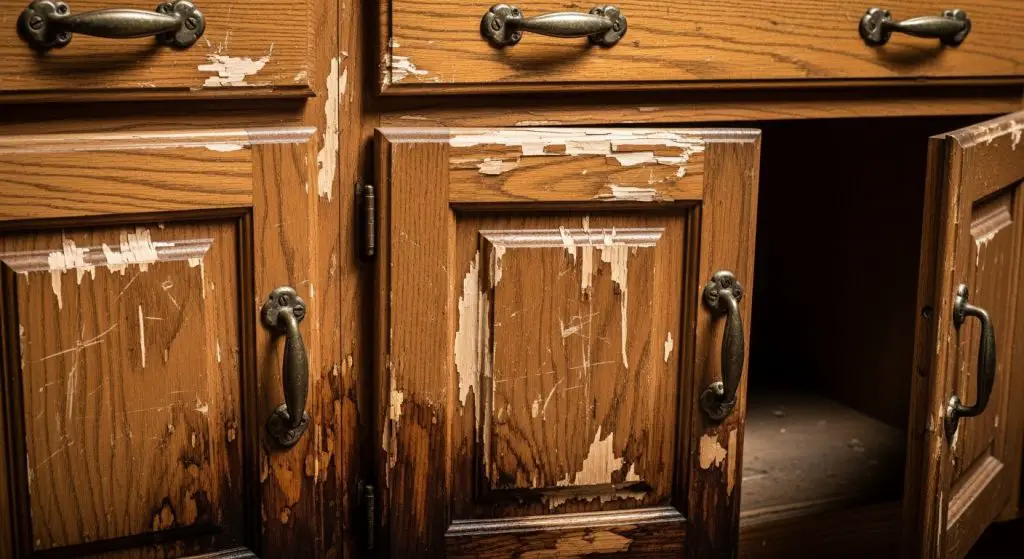
Old wooden furniture has a special charm, but years of use can leave it looking dull or dirty. Depending on the condition, you might need either a simple cleaning or a more targeted restoration approach.
Start by preparing a gentle cleaning mixture with equal parts vinegar and olive oil. This solution works well for light cleaning, removing surface dust and grime.
If the furniture has mild stains or signs of wear, you can enhance the cleaning power by adding a few drops of lemon juice to the mixture. Lemon has natural bleaching and degreasing properties, perfect for refreshing lighter wood tones. However, avoid using lemon on heavily deteriorated or very dark wood, as it might alter the color.
Dip a soft sponge or cotton cloth in the solution, wring it out slightly, and gently wipe the furniture following the wood grain. For deep cleaning, repeat the process using circular movements to lift embedded dirt and grease.
Once you’ve cleaned the entire surface, rinse the area by passing a slightly damp cloth (with plain water) to remove any residue of oil or vinegar. Then, let the furniture dry for at least 30 minutes.
For the final touch, polish the wood using a cloth moistened with glycerin or a natural furniture polish. This step restores shine, enhances the color, and provides a protective barrier against dust and moisture.
Tips for Maintaining Wooden Surfaces
-
Dust regularly using a dry microfiber or cotton cloth to prevent buildup.
-
Avoid excess moisture — never soak wooden furniture, and always wipe up spills immediately.
-
Keep wood away from heat sources and direct sunlight, which can cause cracking or fading.
-
Use coasters and placemats to prevent rings and stains.
-
Apply natural polish monthly using the vinegar-and-oil mixture to keep the wood hydrated and glossy.
A Simple Routine for Timeless Wooden Beauty
Maintaining wooden furniture doesn’t require expensive products or harsh chemicals — just a few natural ingredients and a little care. Vinegar cleans and disinfects, olive oil nourishes, lemon brightens, and glycerin seals in moisture and shine.
These time-tested household remedies, once passed down through generations, remain some of the most effective ways to protect your wood from wear and tear while keeping your home smelling fresh and looking elegant.
With a soft cloth and a simple homemade mixture, you can transform dull, tired wood into beautifully polished surfaces that reflect light and warmth — proof that sometimes, the best cleaning secrets are the ones our grandmothers already knew.