Throw a spoonful of olive oil into the pasta water: the grandmother’s trick
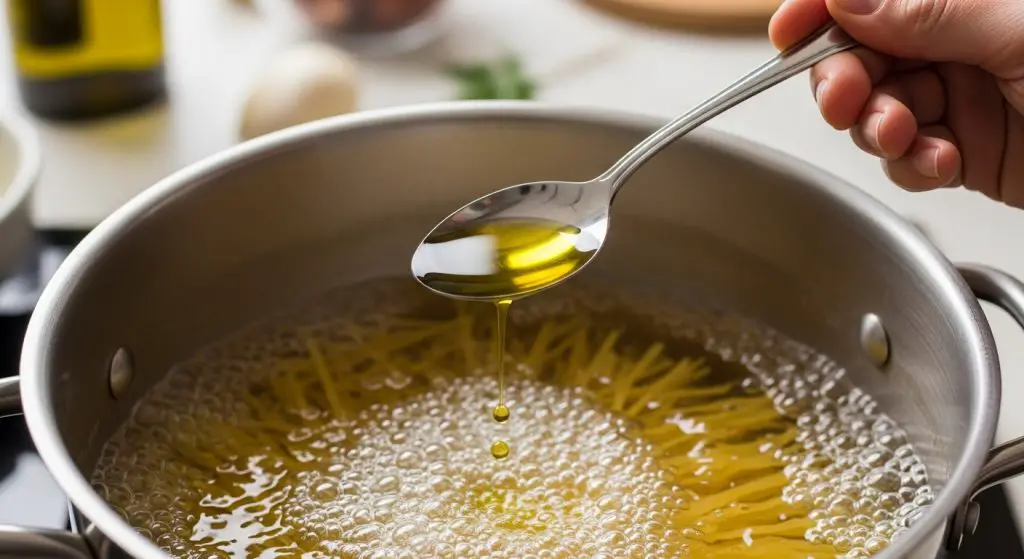
Many people have seen their grandmothers pour a spoonful of olive oil into boiling water before adding the pasta. It’s a common kitchen ritual, passed down through generations, and many believe it prevents pasta from sticking together. But what if this traditional trick doesn’t actually do what most people think? In fact, olive oil in pasta water has a completely different — and surprisingly practical — purpose.
Let’s uncover the real science behind this well-known myth and see what actually happens when you add oil to your pot of pasta water.
The Common Belief: Olive Oil Prevents Pasta from Sticking
When cooking pasta, one of the most widely shared beliefs is that adding olive oil to the boiling water keeps the pasta from clumping together. According to this logic, the oil floats on the water’s surface and somehow coats the pasta as it cooks, making it slippery and preventing the strands or shapes from sticking.
However, if you ask any professional chef, they’ll tell you that this idea is nothing more than a myth. Olive oil doesn’t actually help the pasta stay separate during cooking. The real factor that prevents sticking is proper cooking technique — enough water, consistent boiling, and stirring during the first few minutes of cooking.
The Right Way to Cook Pasta
For best results, the golden rule of pasta cooking is simple: use one liter of water for every 100 grams of pasta. The more water you use, the easier it is to maintain a constant temperature, allowing the pasta to cook evenly without becoming sticky.
You should also make sure the water is boiling vigorously before adding the pasta. Once it’s in the pot, stir frequently during the first two or three minutes — this is when the starch begins to release and can cause the pasta to stick if left alone. Adding salt to the water is essential for flavor, but oil? That part, according to chefs, is entirely unnecessary.
So, Why Did Grandma Add Olive Oil?
Here’s where things get interesting. While olive oil doesn’t prevent pasta from sticking, it does play a different — and quite useful — role in the cooking process.
When pasta cooks, it releases starch into the water. These starch particles rise to the surface, forming a thin layer of foam that can trap steam underneath. When enough steam builds up, it lifts the foam, causing the infamous boiling-over effect — that messy moment when water spills over the sides of the pot and onto the stove.
This is where the olive oil comes in.
When you add a spoonful of olive oil to the water, the oil spreads across the surface and creates a thin film between the starch particles. This separation prevents the formation of a solid layer of foam, leaving small gaps where steam can escape freely. As a result, the water continues to boil smoothly without bubbling over — and without turning your stovetop into a soapy, starchy mess.
The Science Behind It
The explanation lies in basic chemistry. Oil and water don’t mix — oil molecules are hydrophobic, meaning they repel water. When you add oil to boiling pasta water, the oil floats on top because it’s less dense. The starch released by the pasta, which naturally tends to clump together and form foam, can’t create a thick barrier when oil is present. The oil essentially “cuts” the starch layer, allowing steam to vent out harmlessly.
In other words, olive oil acts as a surface tension breaker, preventing the foamy starch from expanding enough to overflow. This is the real reason grandma’s trick works — not because it coats your pasta, but because it keeps your pot from boiling over.
Why You Might Still Skip It
While the trick works for preventing messy overflows, professional chefs generally avoid adding oil to pasta water for one key reason: if any oil does end up clinging to the pasta, it can prevent sauces from sticking properly later. Pasta should have a slightly rough surface that allows the sauce — whether tomato-based, creamy, or oil-based — to adhere well. An oily coating can make the sauce slide off instead.
So, if you’re cooking a delicate pasta dish where sauce adhesion matters, it’s best to skip the oil and rely on other methods to prevent overflows.
Alternative Tricks to Stop Water from Boiling Over
If you prefer not to use oil, there’s another classic kitchen trick that works just as well — and it’s completely natural. Place a wooden spoon across the top of the pot.
When the starchy foam rises, it touches the spoon first. The wooden surface breaks the bubbles’ surface tension, dispersing the foam and allowing steam to escape. This prevents the water from spilling over without adding anything to the pot.
Wood is particularly effective because it’s less heat-conductive than metal, and its texture absorbs a small amount of water, which helps destabilize the bubbles. It’s an old-fashioned yet incredibly reliable trick used by cooks around the world.
The Takeaway
Adding olive oil to pasta water doesn’t make your spaghetti or penne less sticky — but it does make your cooking experience cleaner and less stressful. By reducing surface foam and allowing steam to escape, a spoonful of oil helps prevent the pot from boiling over and keeps your stovetop tidy.
However, if you want perfectly textured pasta that holds sauce beautifully, the best approach remains traditional: use plenty of water, bring it to a full boil, stir frequently, and drain promptly once cooked.
In short, grandma’s spoonful of olive oil wasn’t a mistake — it was just misunderstood. Her method wasn’t about the pasta at all, but about keeping the kitchen neat and the cooking process smooth. And for that reason alone, it’s a trick that’s still worth remembering today.