Yellowed mattresses and pillows: how to whiten them without bleach
Over time, even the cleanest-looking bed can harbor stains, odors, and microscopic dust mites. Pillows and mattresses, in particular, tend to lose their original whiteness and turn yellow due to sweat, body oils, and moisture absorbed during sleep. While many people assume that bleach is the only way to restore brightness, it’s actually possible—and safer—to whiten and disinfect bedding using simple, natural ingredients you already have at home.
Here’s how to bring your pillows and mattress back to life, eliminate yellow stains, and prevent dust mites from taking over your bed.
Why Pillows and Mattresses Turn Yellow
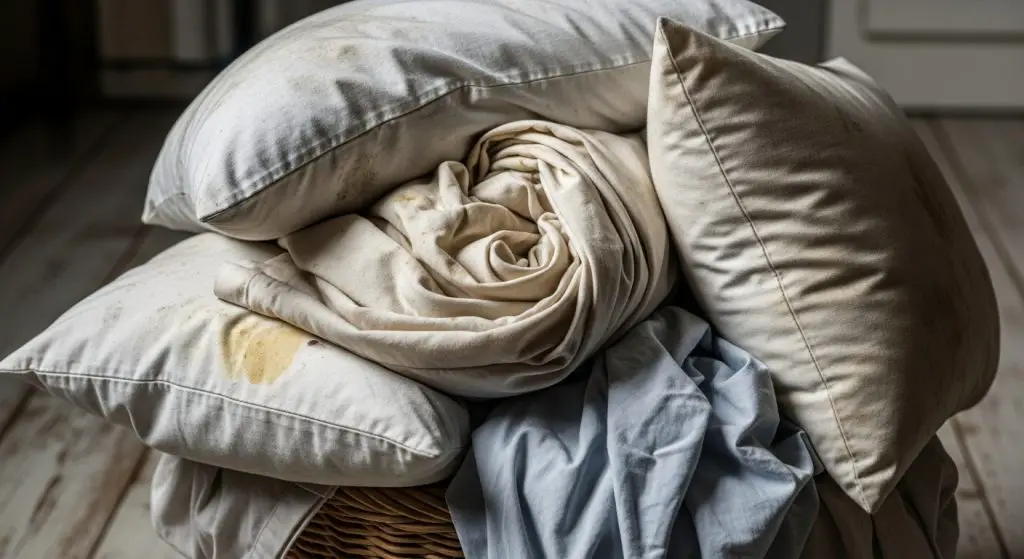
Even if you change your sheets regularly, your pillows and mattress will eventually develop yellow stains. When we sleep, our bodies naturally release sweat and oils that seep through pillowcases and sheets. Over time, this moisture combines with dust and dead skin cells, creating the perfect environment for bacteria and dust mites to thrive.
These small yellow spots not only look unpleasant but can also lead to hygiene and health problems. Dust mites, in particular, are microscopic organisms that feed on dead skin cells. They flourish in warm, humid environments—exactly what a neglected mattress or pillow provides.
The Hidden Problem: Dust Mites and Their Effects
Dust mites are invisible to the naked eye but can have a big impact on your well-being. They don’t bite like bedbugs, but their waste particles are strong allergens that can trigger asthma, rhinitis, coughing, and skin irritation.
People with sensitive skin may also experience itching, redness, or mild rashes after prolonged exposure. Keeping your bedding clean and dry is therefore one of the most effective ways to minimize allergic reactions and improve sleep quality.
How Often Should You Wash Bedding and Clean Pillows?
While many people wash their sheets every few weeks, it’s best to change them once a week. This helps prevent the buildup of sweat, bacteria, and dust.
Pillows and mattresses, on the other hand, need deep cleaning less frequently but still regularly. Experts recommend washing pillows three times a year and cleaning your mattress every three to four months.
Always check the label on your pillows before washing—some are machine washable, while others require dry cleaning or hand washing. Following the manufacturer’s care instructions helps preserve the structure and fluffiness of the filling.
How to Whiten Pillows Naturally (Without Bleach)
If your once-white pillows have turned dull or yellow, don’t reach for the bleach bottle just yet. Bleach can damage fibers, cause discoloration, and leave an unpleasant chemical smell. Instead, you can create a powerful natural whitening solution using common household ingredients.
You’ll need:
-
4 liters (1 gallon) of water
-
150 ml (about ½ cup) of hydrogen peroxide
-
Juice of 4–5 lemons
-
200 grams (1 cup) of laundry detergent
-
200 grams (1 cup) of dish soap
-
130 grams (½ cup) of borax
Step-by-step method:
-
Mix the water, hydrogen peroxide, and lemon juice in a large container or directly in your washing machine drum.
-
Make sure the pillows are labeled as machine washable. Remove pillowcases and any protective covers.
-
Fill the washing machine with hot water, then add the detergent, dish soap, and borax.
-
Let the mixture dissolve completely before placing the pillows inside.
-
Run a normal washing cycle. If your machine allows, an extra rinse cycle ensures that all residue is removed.
-
Once washed, dry the pillows thoroughly, preferably in the sun or with a gentle dryer cycle. Proper drying prevents moisture from being trapped inside, which could lead to mold or odor buildup.
This simple method restores the whiteness of your pillows, removes odors, and kills bacteria naturally—without harsh chemicals or bleach fumes.
How to Clean and Deodorize a Mattress
While pillows can be tossed in the washing machine, mattresses require a different approach. Because they can’t be submerged in water, surface cleaning and stain treatment are key.
You’ll need:
-
250 ml (1 cup) of white vinegar
-
250 ml (1 cup) of hydrogen peroxide
Cleaning process:
-
Start by vacuuming the entire mattress to remove dust, dirt, and skin flakes.
-
Wipe the surface with a slightly damp cloth to collect any remaining debris.
-
For visible stains, create a paste of baking soda and a little water. Apply it directly to the stained area, let it sit for 10–15 minutes, then gently scrub with a soft sponge. Wipe clean with a damp cloth.
-
In a bowl, mix the vinegar and hydrogen peroxide. Dampen a clean cloth or sponge in this solution and gently rub the entire mattress surface. The combination acts as a natural disinfectant and whitener, helping to dissolve yellow stains and eliminate odors.
After cleaning, air out the room well. Open windows or use a fan to speed up the drying process. Avoid making the bed until the mattress is completely dry to prevent trapped moisture.
Preventing Future Stains and Dust Mites
Once your pillows and mattress are clean, maintaining them is easy with a few smart habits:
-
Use pillow and mattress protectors: Waterproof, washable covers act as a barrier against sweat and dirt.
-
Air out the bed daily: Pull back the blankets each morning to let moisture evaporate naturally.
-
Vacuum regularly: A handheld vacuum with a soft brush attachment can remove dust and allergens from the mattress surface.
-
Avoid going to bed with wet hair or lotion: Moisture encourages bacterial growth and leads to faster yellowing.
-
Sun-dry whenever possible: Sunlight is a natural disinfectant and deodorizer.
Why Avoid Bleach
Bleach may seem like an easy fix, but it can actually damage the fibers in your bedding over time. It weakens the fabric, causes yellowing to worsen in some materials, and leaves chemical residues that can irritate sensitive skin or trigger allergies. Natural alternatives like vinegar, lemon, and hydrogen peroxide are gentler and just as effective, offering both safety and freshness.
The Takeaway
A fresh, clean bed isn’t just a matter of aesthetics—it’s essential for good health and quality sleep. By using simple natural ingredients such as hydrogen peroxide, lemon, vinegar, and baking soda, you can remove yellow stains, eliminate dust mites, and restore your bedding to its original brightness.
These eco-friendly methods are safe, affordable, and easy to repeat throughout the year. With just a little effort, your pillows and mattress will stay spotless, hygienic, and as inviting as the day you bought them—no bleach required.