How much does an hour of ironing consume? The figure is unexpected.
The electric iron is a small yet indispensable household appliance that most of us use regularly. Its main purpose is simple: to remove wrinkles and creases from clothes and fabrics. But in an era of rising energy bills, many people have started to wonder — how much does this everyday appliance actually cost to run?
The Science Behind the Iron
An electric iron works through a heating element — a resistance circuit inside the device that generates heat when electricity passes through it. This heat is transferred to the soleplate, which, when pressed against fabric, smooths out wrinkles. While the process may seem simple, it’s surprisingly energy-intensive, especially if you iron frequently or for long periods.
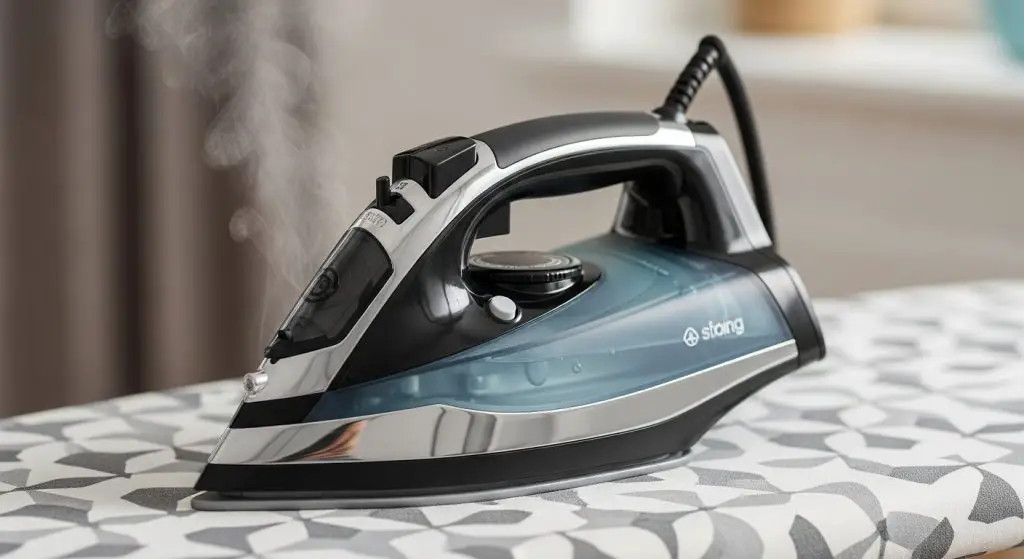
Modern irons have evolved considerably compared to their early counterparts. Many are now equipped with a built-in water tank that releases steam during ironing. Steam helps soften fabric fibers, making wrinkles disappear faster and reducing the physical effort required. However, the convenience of steam also increases the iron’s energy consumption.
A Brief Look at the Evolution of the Iron
The story of ironing stretches back thousands of years. The earliest irons didn’t use electricity at all — they relied on pressure and heat from external sources. In ancient Greece, people used cylindrical iron rods that were heated in fire and rolled over linen garments to flatten them, functioning somewhat like modern rolling pins.
By the 15th century, pressing clothes had become a social marker. Finely pleated garments indicated wealth and privilege, as maintaining them required both time and servants. These early irons were heated with hot coals or by placing them directly on stoves, making the process both laborious and hazardous.
Today’s electric irons are far safer, faster, and more efficient — but they still consume a notable amount of electricity.
How Much Power Does an Iron Consume?
Even though an iron is used intermittently, it contributes to about 5% of a household’s total electricity consumption on average. To understand how this affects your energy bill, let’s break down the numbers.
Most modern irons have power ratings that range between 600 watts (W) and 3000 W, depending on the model and features. During the initial heating phase, an iron draws its maximum power — this is when it consumes the most electricity. Once it reaches the set temperature, it cycles on and off to maintain that temperature, averaging around 1000 W (1 kW) during use.
If we assume the cost of electricity is between €0.20 and €0.30 per kilowatt-hour (kWh), running an iron for one hour costs approximately 20 to 30 cents. While that may not sound like much, frequent or prolonged ironing sessions can quickly add up over a month.
Smart Timing: When to Iron to Save Energy
If you have a bi-hourly electricity tariff, you can significantly reduce costs by ironing during off-peak hours — typically late evenings, nights, or weekends, depending on your energy provider. Not only does this lower the per-kWh rate, but it also helps distribute household energy consumption more efficiently.
Another simple energy-saving strategy is to iron only what’s necessary. Many fabrics today are wrinkle-resistant and don’t require ironing after proper washing and drying. Hanging clothes promptly after washing can also help reduce creases naturally.
Iron With or Without a Steam Generator?
There are two main types of irons: steam generator irons (with a separate boiler) and standard irons (with a built-in water tank). Each has its own pros and cons — and energy implications.
Steam Generator Irons
A steam generator iron has a separate water tank (or boiler) that produces continuous, high-pressure steam. This design makes it more powerful and effective, particularly for large volumes of laundry or thicker fabrics like linen and denim.
The downside? These irons are larger, more expensive, and generally consume more electricity due to their higher wattage and constant steam output. However, they can also reduce overall ironing time, which helps balance out energy use. If you iron large loads regularly, a steam generator model may actually be more efficient in the long run.
Standard Irons
A traditional steam iron (without an external boiler) is smaller, lighter, and easier to handle. It uses less power — typically between 1000 and 2000 watts — and is ideal for occasional or quick ironing sessions. Its lower energy consumption makes it a practical choice for small households or those who iron infrequently.
However, since it produces less steam pressure, it may take longer to smooth out tough wrinkles, slightly increasing total usage time. Still, for most people, the difference in overall energy consumption is minimal.
Factors That Affect Energy Consumption
Several variables determine how much power your iron consumes:
- Temperature Setting: Higher temperatures require more energy. Ironing delicate fabrics like silk or synthetic fibers at lower temperatures uses less electricity than cotton or linen, which demand higher heat.
- Steam Output: The more steam your iron produces, the more energy it needs. Try using steam only when necessary — for particularly wrinkled or thick garments.
- Preheating Time: Plug in your iron only when you’re ready to start. Letting it sit idle at full temperature wastes unnecessary energy.
- Ironing Technique: Organize your ironing efficiently — start with delicate fabrics at low temperatures and gradually move to heavier ones. This minimizes repeated heating and cooling cycles.
Reducing the Environmental and Financial Impact
While ironing may never be completely “green,” small adjustments can make a big difference. For instance:
- Use reflective ironing board covers: These help reflect heat back into the fabric, reducing ironing time.
- Iron slightly damp clothes: Fabrics are easier to smooth when moist, which means less time and energy spent.
- Switch off early: Turn off your iron a few minutes before finishing; the residual heat is usually enough for final touches.
- Clean the soleplate regularly: A clean soleplate glides more easily, requiring less pressure and time.
Final Thoughts
Even though ironing accounts for only a small percentage of your total electricity bill, it’s still an area where mindful habits can lead to savings. A standard iron typically costs around €0.25 per hour to run, and even less when used efficiently.
By ironing during off-peak hours, adjusting your temperature settings, and selecting an energy-efficient model, you can keep your clothes crisp and your energy costs low. In the end, a little awareness — much like a perfectly pressed shirt — goes a long way.