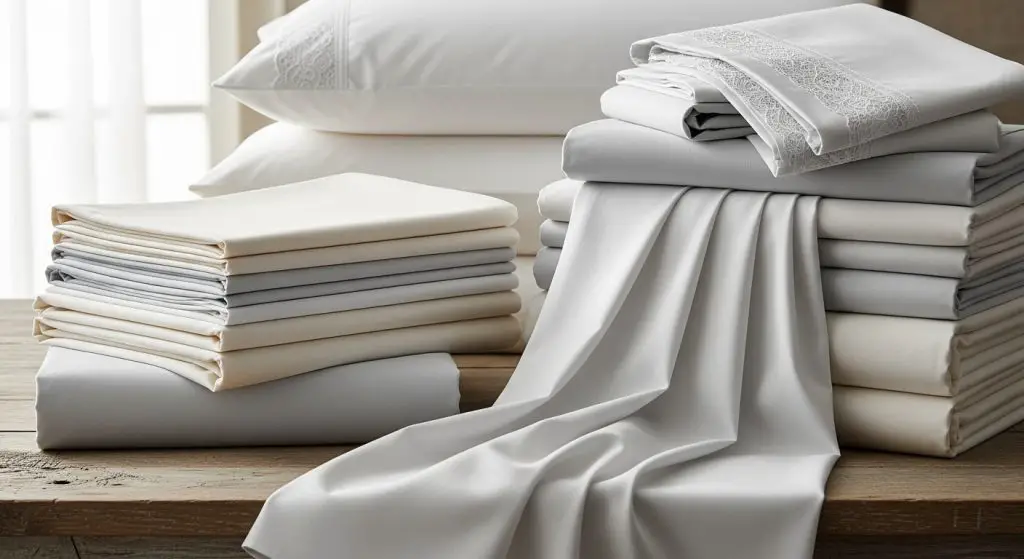
Milky white laundry: all you need is this ingredient.
Getting bright, white laundry is the goal every time we run a washing machine cycle. Yet keeping white clothes as dazzling as they were on the first day is often easier said than done. Many products promise to restore brightness, but one surprising household item can deliver extraordinary results — and you probably already have it in your medicine cabinet.
The Challenge of Maintaining White Clothes
White garments — shirts, towels, sheets — tend to lose their crisp look over time. Repeated washing, sweat, deodorant, and exposure to sunlight can leave them dull or slightly yellow. Even high-quality detergents sometimes fail to bring back their original brilliance.
Before tossing your whites into the washer, it’s important to give them a little extra care. Pre-treating stains, using the right water temperature, and avoiding harsh chemicals all make a big difference. Here are a few practical steps to protect and maintain your white laundry.
Start by Separating Clothes
The first rule for perfect whites is simple but crucial: always separate them from colored items. Mixing colors can result in grayish or discolored fabrics, especially if darker clothes bleed dye. Once separated, focus on treating problem areas — collars, cuffs, and underarm zones are the most common trouble spots.
Apply a small amount of degreasing detergent or stain remover directly to these areas before washing. Let it sit for a few minutes so it can break down oils and dirt. Even though there are countless commercial products that claim to make laundry bright white, many fail to meet expectations — or worse, they can damage delicate fabrics.
The Downside of Using Bleach
When dealing with stubborn sweat stains or yellowish marks, many people instinctively reach for bleach. While effective, bleach can be too harsh for fine or synthetic materials, causing them to weaken or develop holes over time. Overuse of bleach also poses environmental concerns and may leave behind unpleasant chemical odors.
For those who want to protect fabrics and avoid contaminating the environment with strong chemicals, it’s worth turning to natural and gentler alternatives. One such unlikely helper is aspirin — yes, the same one used for headaches.
Why Aspirin Works in Laundry
Aspirin’s active ingredient, acetylsalicylic acid, has mild cleaning and whitening properties. When dissolved in water, it helps break down organic stains and residues that dull fabrics. Even expired tablets that are no longer safe for consumption can still be used effectively for this purpose.
This natural acid works deep into the fibers, lifting sweat, dirt, and detergent buildup that ordinary washing can’t fully remove. The result? Brighter, cleaner whites without the damage caused by bleach.
How to Use Aspirin for Whiter Laundry
There are two main ways to use aspirin to whiten your clothes — a deep-soak method for more powerful results and a quicker option for everyday washing.
1. The Deep-Soak Whitening Method
For a thorough whitening treatment, you’ll need:
- 5 aspirin tablets (325 mg each)
- A large basin or bucket
- Hot water (enough to fully submerge the clothes)
Crush or dissolve the aspirin tablets in the hot water and stir well until completely mixed. Then, submerge your white garments in the solution and let them soak for about 8 hours — overnight works perfectly. This long soak allows the aspirin solution to penetrate deep into the fibers and lift embedded stains.
After soaking, wring out the clothes gently and wash them as usual in your washing machine. You’ll immediately notice that the whites appear brighter and cleaner.
2. The Quick-Wash Option
If you don’t have time for an extended soak, you can still use aspirin directly in your washing machine. Simply place five 325 mg tablets into the drum along with your laundry and start your regular wash cycle. Warm or hot water will help the tablets dissolve and activate their whitening effect.
Although the results might not be as dramatic as with the deep-soak method, this shortcut still noticeably brightens whites and helps remove dingy residues.
Tips for Best Results
- Don’t overload the washing machine. Whites need space for water and detergent to circulate freely.
- Avoid mixing whites with synthetic fabrics that release microfibers, which can make clothes appear dull.
- Use a natural detergent or a small amount of Marseille soap flakes for an extra-gentle wash.
- Rinse thoroughly to remove all residue that could make whites look grayish.
Avoid These Common Mistakes
Even the best whitening tricks won’t help if clothes are treated improperly. Here are a few habits to avoid:
- Using too much detergent. Excess soap leaves residue that traps dirt and dulls the fabric.
- Drying under direct sunlight. While sunlight can help bleach natural fabrics, prolonged exposure — especially during peak hours — may cause whites to turn yellow.
- Applying deodorants or perfumes directly to clothing. Chemicals in these products can create stubborn stains that are difficult to remove.
The Eco-Friendly Alternative
Using aspirin instead of bleach offers several environmental and practical benefits. It reduces chemical runoff into waterways and helps preserve delicate fabrics. Because it’s biodegradable and non-corrosive, it’s safer for both your washing machine and your skin.
Moreover, repurposing expired aspirin tablets is an excellent example of sustainable cleaning — giving new life to something that would otherwise be thrown away.
The Science Behind the Sparkle
Aspirin’s acetylsalicylic acid reacts mildly with the alkaline ingredients in detergents, creating a gentle cleaning synergy. This reaction helps dissolve the dulling film that builds up on fabrics over time from detergent residues, sweat, and minerals in the water. Unlike bleach, which oxidizes and weakens fibers, aspirin lifts stains without damaging the textile structure.
Naturally White, Naturally Clean
The next time your favorite white shirt starts to look dull, skip the bleach and reach for a few aspirin tablets instead. Whether used in a pre-soak or directly in the wash, aspirin can revive fabrics, remove yellow tones, and restore that fresh, bright look.
It’s a simple, budget-friendly, and eco-conscious trick that truly works — proof that sometimes, the best laundry solutions are hiding right in your medicine cabinet.