Rust stains on the balcony: how to remove them: one drop and you’ve solved the problem.
Finding rust stains on your home’s balcony can be worrying. Rust, by nature, corrodes metal and spreads if not treated quickly. However, before rushing to use harsh chemicals, it’s worth knowing that there are several safe and natural solutions to restore your balcony’s clean and polished look. Let’s take a closer look at how rust forms and what you can do to remove it effectively.
Why Rust Forms
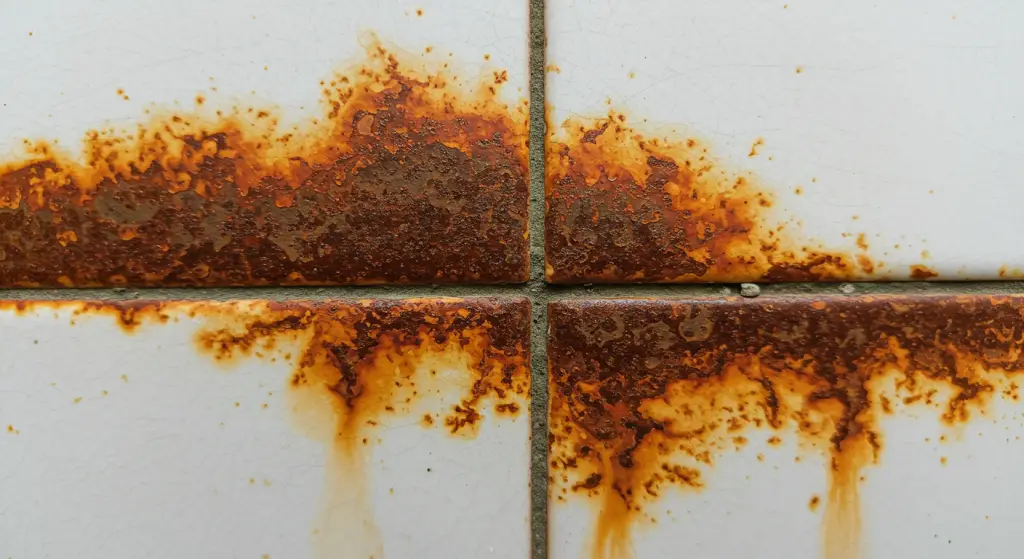
It’s common to find rust on many outdoor objects, not just on balconies. You may notice it on your car’s metal parts, metal chairs, garden tools like rakes, or even your bicycle. Rust formation happens when iron reacts with oxygen and water in a process known as oxidation. When these three elements—iron, water, and oxygen—combine, rust appears as reddish-brown stains that can eventually weaken metal surfaces.
Water accelerates this process by increasing the amount of oxygen that comes into contact with iron. Since many balconies contain metal parts—such as railings, bolts, or decorative elements—they are especially prone to rust, particularly in humid or rainy conditions.
While rust is unsightly and can be challenging to remove, it’s not impossible to tackle. With a few simple steps, you can restore your balcony and prevent future corrosion.
Using Commercial Rust Removers
The most common approach people take is to use a commercial rust remover. These products are widely available and can be quite effective. Usually, you just apply a small amount of the product to the affected area, leave it to sit for a few minutes (or even overnight, depending on the severity), and then scrub away the rust.
However, many commercial rust removers contain strong chemicals that can be harmful to both people and pets. For this reason, it’s important to wear gloves and keep these products out of reach of children and animals. If you prefer a safer and more eco-friendly alternative, several natural remedies can work just as well—without the use of toxic substances.
Removing Rust Naturally: Lemon Juice and Salt
One of the simplest and most effective natural ways to remove rust is by using lemon juice and salt. Lemon juice is naturally acidic and works to break down the bond between iron and oxygen, effectively reversing the rusting process.
Here’s how to do it:
-
Sprinkle coarse salt directly onto the rust stain.
-
Pour freshly squeezed lemon juice over the salt until it’s soaked.
-
Let the mixture sit for at least 30 minutes (or longer for deeper stains).
-
Scrub the area with a sponge or brush and rinse with warm water.
The salt acts as a gentle abrasive, helping to lift the rust, while the acidity of the lemon dissolves the oxidation. For light rust stains, you can simply cut a lemon in half and rub it directly onto the rusted surface like a natural sponge.
If the rust is more stubborn, let the lemon and salt mixture sit for a few hours before scrubbing. Once the rust is gone, rinse thoroughly and dry the area to prevent moisture from triggering new rust spots.
A Surprising Trick: Using a Raw Potato
If your balcony’s iron railings have started to rust, you can try another household trick: a raw potato. Potatoes contain oxalic acid, which helps dissolve rust.
To use this method:
-
Cut a raw potato in half.
-
Rub the cut side over the rusty area.
-
Let the potato juice sit on the metal for a few hours.
-
Rinse the railing with warm water and dry it thoroughly.
For extra protection, once the rust is removed, apply a thin layer of natural oil (such as linseed or olive oil) to the metal surface. This will act as a barrier against moisture and help prevent future rust formation.
White Vinegar: A Natural Rust Dissolver
Another excellent natural solution for rust removal is white vinegar. This versatile household product is well known for its cleaning and descaling abilities—it can remove limescale, grease, and even stubborn rust stains.
Here’s how to use it on your balcony:
-
Soak a cloth in white vinegar.
-
Place the soaked cloth over the rust stain and let it sit for about 30 minutes.
-
Remove the cloth and scrub the area with a soft brush or sponge.
-
Rinse with clean water and dry the surface.
The acetic acid in vinegar breaks down the rust, making it easier to wipe away. This method is particularly effective on tile or concrete balcony floors that have been stained by rusty furniture legs or metal plant stands.
If the stain is large or deeply embedded, you can also pour some vinegar directly onto the affected area, let it fizz for a few minutes, and then scrub gently.
Preventing Rust on the Balcony
Once you’ve removed the rust, prevention is key. Moisture is the biggest enemy of metal surfaces, so take steps to keep your balcony dry and protected:
-
Apply a protective coating: Use a clear sealant or rust-resistant paint on metal railings and furniture.
-
Avoid standing water: Make sure your balcony drains properly after rain.
-
Regular maintenance: Wipe down metal surfaces periodically with a dry cloth and a small amount of oil to create a protective layer.
-
Inspect frequently: Check for small rust spots early so they can be treated before spreading.
Final Thoughts
Rust on your balcony doesn’t have to be a permanent problem. While commercial rust removers are available, natural remedies such as lemon and salt, raw potato, and white vinegar offer safe, inexpensive, and eco-friendly alternatives that work surprisingly well.
With a little time and care, you can eliminate those unsightly rust stains, restore your balcony’s shine, and keep it protected from future corrosion—without relying on harsh chemicals.