Bay leaf in flour: why use it this way?
It may sound strange to slip a few bay leaves into your flour container, but this age-old trick has more benefits than you might imagine. If you’ve never tried it before, now is the perfect time to start—because once you discover how effective it is, you’ll never go without it again.
The ancient and powerful properties of bay leaves
Bay leaves come from the Laurus nobilis, an evergreen plant native to the Mediterranean region. Known since ancient times, bay leaves were considered sacred by the Greeks and Romans, who used them to make crowns for gods, poets, and victorious warriors. In fact, the laurel wreath—symbol of wisdom and glory—was traditionally placed on the heads of scholars and artists. The tradition continues even today: in Italy, graduates receive a crown of bay leaves as a symbol of academic achievement and knowledge.
But beyond its symbolic meaning, bay leaves have long been valued for their culinary, medicinal, and aromatic properties. In the kitchen, the leaves are used to flavor soups, stews, roasts, and sauces. Their subtle, earthy aroma enhances dishes without overpowering other ingredients. They can also be used to prepare herbal teas and digestive infusions.
In herbal medicine, bay leaf essential oil—extracted from the leaves—has been prized for its digestive, antiseptic, and anti-inflammatory effects. It has been used for centuries to ease stomach discomfort, promote digestion, and relieve muscle pain. However, one of its lesser-known virtues is its incredible ability to repel insects, a property that makes it extremely useful not only in cooking but also in the home.
Bay leaves as a natural insect repellent
The strong, distinctive aroma of bay leaves is not only pleasant to humans but highly unpleasant to insects. The essential oils contained in the leaves—such as cineole and eugenol—act as natural repellents against many unwanted pests. These include pantry moths, weevils, and other small insects that are notorious for invading dry goods like flour, pasta, rice, and cereals.
This natural repellent quality makes bay leaves an excellent, chemical-free alternative to mothballs or insect sprays. By simply placing a few fresh bay leaves inside your pantry or directly in your containers of flour or rice, you can effectively keep your food free from infestations.
How to use bay leaves in your pantry
Using bay leaves to protect your pantry is simple and inexpensive. All you need are a few clean, fresh bay leaves and a bit of attention to how you store your food.
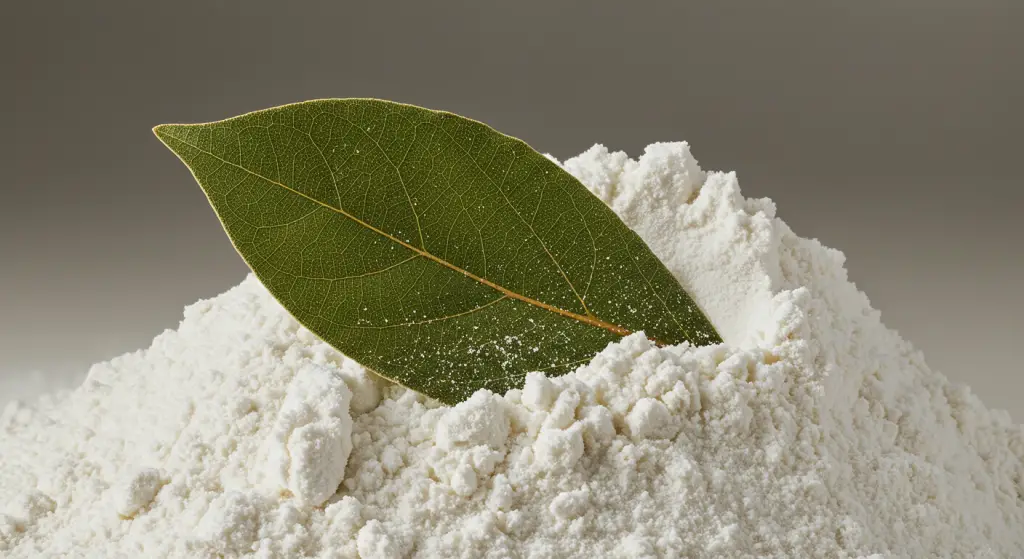
- Add bay leaves to your flour container: Place two or three whole bay leaves directly inside the flour jar or bag. Their scent will act as a barrier, keeping moths and weevils away.
- Use them in other dry goods: The same method works for rice, pasta, cereal, legumes, and even tea or coffee. Just tuck a leaf or two inside each container.
- Replace them regularly: For the bay leaves to remain effective, they must be fresh and aromatic. Over time, their scent fades, reducing their repellent power. Replace them every month or two, or whenever the fragrance starts to weaken.
This simple habit can go a long way toward keeping your pantry clean and pest-free, especially during the warmer months when insects tend to multiply quickly.
Keep your pantry clean and organized
While bay leaves are a great preventive tool, they work best when combined with regular cleaning and maintenance. Pantry moths and other pests thrive in dark, undisturbed corners, so hygiene is essential.
Here’s how to keep your pantry in top condition:
- Empty and inspect the shelves: At least once every few months, take everything out of your pantry. Wipe down the shelves with a mild vinegar solution or a mixture of water and baking soda to eliminate crumbs, food residues, and potential larvae.
- Check for signs of infestation: Examine all packages of flour, pasta, and cereals. Look for tiny holes in packaging, fine webbing, or small insects—these are early signs of pantry moths.
- Use airtight containers: Once you’ve opened a bag of flour or rice, transfer the contents to glass or plastic jars with tight-sealing lids. Airtight storage prevents both moisture and pests from getting in.
- Pay attention to cardboard boxes: Pantry moths love to hide in the corners and folds of cardboard packaging, such as tea or cereal boxes. You can place these items in sealed containers or use zip-top bags for extra protection.
After cleaning and reorganizing your shelves, add a few bay leaves strategically around the pantry and inside your containers. The pleasant, herbal fragrance will refresh the space while helping to deter unwanted guests.
Why flour attracts insects—and how bay leaves help
Flour and other dry grains are particularly appealing to pantry moths and weevils because they provide an ideal environment for laying eggs and feeding larvae. Once an infestation begins, it can spread quickly, contaminating multiple products and forcing you to throw away food.
Bay leaves help prevent this problem naturally. Their volatile oils disrupt the sensory signals insects use to locate food sources, essentially masking the scent of flour or grains. The smell confuses them and drives them away before they can settle and reproduce.
This method is safe for food storage—bay leaves are non-toxic and can be easily removed before use. Plus, they leave behind a subtle, clean fragrance rather than a chemical odor.
Additional uses of bay leaves around the home
Bay leaves’ insect-repelling qualities aren’t limited to the pantry. You can use them in other areas of your home as well:
- In closets and drawers: Place a few dried leaves among your clothes or linens to keep moths away.
- In the kitchen cabinets: Slip them between dishes or along the edges of shelves to deter ants and cockroaches.
- Under the sink or near trash bins: The strong aroma helps discourage pests from entering these humid, food-rich areas.
For an extra boost, you can combine bay leaves with other natural repellents such as cloves, dried lavender, or lemon peels for a pleasantly aromatic and insect-free environment.
The wisdom of tradition
The idea of placing bay leaves in flour or pantry staples may seem like an old-fashioned trick, but it’s one that has stood the test of time. Long before commercial insecticides existed, our grandmothers and great-grandmothers relied on natural ingredients to keep their homes clean and their food safe.
Today, returning to these simple, eco-friendly practices not only helps reduce our reliance on chemicals but also reconnects us with a more sustainable and mindful way of living.
So the next time you open your bag of flour, slip in a few bay leaves. This small act will help preserve your ingredients, protect your pantry, and keep alive a tradition of natural homekeeping that’s as useful now as it was generations ago.