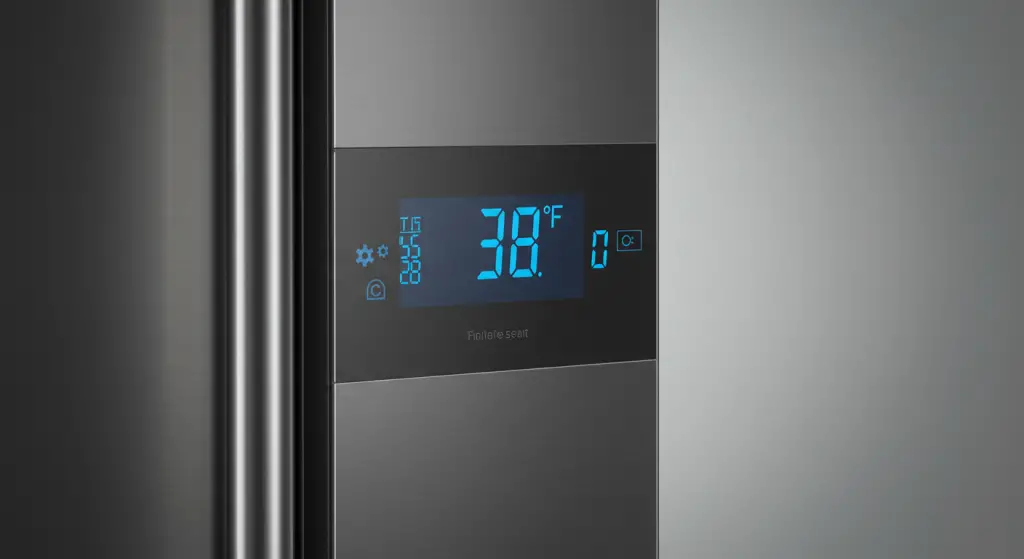
Refrigerator temperature settings for winter: saving on your bill
Did you know that changing your refrigerator’s temperature in winter can help you save a significant amount of money on your energy bill? It’s a simple trick that not only keeps your food fresh but also reduces your household energy consumption. Understanding how to adjust your fridge according to the seasons can make a real difference in your monthly expenses—especially at a time when energy costs continue to rise.
The Rising Cost of Energy
Over the past few years, the cost of electricity and gas has increased dramatically—by as much as 65% in some areas. This surge has placed considerable financial strain on many households, prompting people to look for practical ways to save energy and lower their bills. Small changes in everyday habits, particularly those related to major household appliances, can make a substantial difference. Among the appliances that consume the most energy, the refrigerator is one of the biggest contributors.
Why the Refrigerator Affects Your Energy Bill So Much
Unlike other household devices, a refrigerator cannot be turned off or used less frequently to save energy. It runs continuously—24 hours a day, seven days a week—to keep food fresh and safe to eat. This constant operation makes it one of the most energy-hungry appliances in any home. However, you can still manage its efficiency by optimizing its internal temperature settings throughout the year.
Many people assume that once a fridge is plugged in and set, it should be left alone. But the truth is that your refrigerator’s optimal temperature can and should change depending on the season. Adjusting it even slightly can lead to meaningful energy savings without compromising food preservation.
How Temperature Affects Energy Consumption
Your refrigerator works harder when the surrounding temperature is higher, as it must use more energy to maintain a cool internal environment. In summer, this means the compressor—the part of the fridge that cools the air—has to run longer and more frequently. Conversely, in winter, when the ambient temperature is lower, the refrigerator doesn’t need to work as hard to maintain the same internal coolness.
If you continue to use your fridge at the same low temperature setting throughout the winter, you’re essentially forcing it to use more power than necessary. By adjusting the internal temperature upward by a degree or two, you can reduce the workload on the compressor, extend the life of the appliance, and lower your overall energy consumption.
The Ideal Refrigerator Temperature for Each Season
Most refrigerators allow you to set the internal temperature using a dial or digital control panel, usually located at the top or bottom of the appliance. The typical range is between 0°C and 10°C (32°F to 50°F). The exact placement of the controls and their numbering system can vary by brand and model, so it’s a good idea to consult your refrigerator’s manual before making adjustments.
The commonly recommended temperature for food safety is around 4°C (approximately 39°F). This setting strikes the right balance—cold enough to slow bacterial growth but not so cold that food begins to freeze or the motor overworks.
In the summer months, when the temperature in your kitchen is higher, you may need to lower the fridge’s temperature slightly—perhaps to 3°C (37°F)—to keep food safely chilled.
In winter, however, you can safely increase the temperature to about 5°C (41°F). Because the surrounding air is cooler, your refrigerator can maintain safe food storage conditions even at a slightly higher internal temperature. This small adjustment can reduce energy consumption by as much as 10–15%, translating to noticeable savings on your monthly electricity bill.
Why Temperature Distribution Inside the Fridge Matters
It’s also useful to understand that not all areas inside your refrigerator maintain the same temperature. The coldest section is usually the back or bottom, while the door and upper shelves tend to be slightly warmer. Knowing this helps you organize your food more efficiently and avoid unnecessary energy waste.
- Top shelves: Best for ready-to-eat foods, leftovers, and drinks.
- Middle shelves: Ideal for dairy products such as milk, cheese, and yogurt.
- Bottom shelves: Coldest zone, perfect for raw meat and fish.
- Door compartments: Warmest area, suitable for condiments, sauces, and butter.
Proper food placement ensures even cooling and prevents the fridge from overcompensating when items are stored incorrectly.
Additional Tips to Save Energy with Your Fridge
Besides adjusting the temperature, there are several other easy ways to make your refrigerator more energy-efficient:
- Keep it well ventilated. Make sure there’s enough space behind and around the fridge for air to circulate. Poor ventilation forces the motor to work harder.
- Check the door seals. If the rubber gaskets around the door are loose or damaged, cold air can escape, wasting energy. Replace them if necessary.
- Avoid overloading. An overcrowded fridge restricts air circulation, while an empty one makes the motor cycle more frequently. Try to keep it about 70–80% full.
- Let food cool before storing. Placing hot food directly inside increases the internal temperature and forces the fridge to use extra energy.
- Defrost regularly. Ice buildup reduces cooling efficiency. Modern frost-free models handle this automatically, but if you have an older fridge, manual defrosting is essential.
- Keep it away from heat sources. Positioning your fridge near an oven, radiator, or window exposed to sunlight increases its workload.
The Economic and Environmental Benefits
Adjusting your refrigerator’s temperature and adopting efficient usage habits not only lowers your electricity bills but also helps reduce your household’s carbon footprint. Every kilowatt-hour saved translates into fewer greenhouse gas emissions from power generation. So while your motivation may be financial, the positive impact extends far beyond your wallet.
Even small changes—like increasing your fridge’s temperature by just one or two degrees in winter—can accumulate into substantial annual savings. Considering that the refrigerator accounts for about 15% of a typical household’s electricity use, improving its efficiency is one of the most effective ways to reduce costs without sacrificing comfort or convenience.
Final Thoughts
Energy prices may continue to fluctuate, but smart habits like adjusting your refrigerator’s temperature according to the season give you control over your consumption. In winter, simply raising the internal temperature by one or two degrees can lead to noticeable savings while keeping your food perfectly safe and fresh. It’s a small, practical step toward lowering your bills and living more sustainably—all without changing your daily routine.