Hotel-Soft Towels: Use These 2 Ingredients in Your Washing Machine
There’s nothing quite like wrapping yourself in a soft, fluffy towel after a shower — that feeling of comfort and luxury that makes you think of a five-star hotel. You might think this is a treat reserved for high-end resorts, but in reality, achieving the same results at home is entirely possible. All it takes are two natural, inexpensive ingredients that you probably already have in your kitchen.
Why Do Towels Become Rough and Scratchy?
Towels are a bathroom essential — something we use daily without giving them much thought. Whether it’s drying off after a morning shower or wrapping up after a relaxing bath, they’re supposed to feel soft and comforting against the skin. But over time, many people notice their towels start to lose that plush softness and instead become stiff and rough — almost like sandpaper.
This change isn’t just unpleasant; it’s also a sign that the fabric fibers are no longer absorbing water properly. The reason? Improper care and the accumulation of detergent and minerals from hard water.
When you first buy towels, you probably choose them based on how soft and fluffy they feel. However, even high-quality cotton towels can lose their texture after multiple washes, especially at high temperatures. While detergents are necessary to remove dirt and bacteria, the chemicals they contain often damage the fibers over time.
How Detergents and Fabric Softeners Affect Towels
Most commercial laundry detergents contain chemical agents such as surfactants, enzymes, and brighteners designed to clean and disinfect fabrics. While effective for hygiene, these ingredients also strip the towel fibers of their natural softness.
Many people then turn to fabric softeners as a solution — products that promise to restore fluffiness and a pleasant scent. However, softeners work by coating the surface of the fabric with a thin chemical film that gives the illusion of softness. This coating, made up of electrically charged compounds, makes fibers stand up, giving them a smoother texture to the touch.
The problem is that these same chemicals reduce the fabric’s absorbency and cling to your skin after each use. For people with sensitive skin, this can cause irritation or allergic reactions. Moreover, softeners are among the most polluting cleaning products used in households today.
The Real Culprit: Limescale in Water
If your towels have become stiff despite careful washing, the problem might lie not in your detergent, but in your water. Hard water — that is, water rich in calcium and magnesium — leaves mineral deposits behind after each wash. These minerals build up between the fibers, creating a stiff texture that only worsens over time.
This buildup of limescale is the main reason towels lose their softness and elasticity. You’ll notice it especially if you live in an area where the tap water is naturally hard. Fortunately, there’s a natural and eco-friendly way to solve this problem — and it doesn’t involve harsh chemicals or expensive products.
Two Natural Ingredients for Ultra-Soft Towels
To restore your towels to their original softness, you only need white vinegar and lemon juice — two natural ingredients that can easily replace fabric softeners and chemical cleaners.
White vinegar acts as a natural fabric conditioner. Its mild acidity dissolves the mineral residues left behind by hard water, preventing them from embedding between the fibers. This helps the towel regain its natural elasticity and improves water absorption. It also eliminates musty odors and disinfects the fabric without leaving any chemical residue.
Lemon juice, on the other hand, enhances the fresh scent and contributes to breaking down mineral buildup. Its citric acid helps brighten the fabric and maintain its softness while adding a light, natural fragrance.
How to Use Vinegar and Lemon to Soften Towels
Here’s how to make your towels soft and fluffy again in just a few simple steps:
-
Prepare the mixture.
Combine 100 ml (about half a cup) of white vinegar with the juice of three lemons. Make sure to use white vinegar, not the darker kind, as the latter can leave stains or odors. Strain the lemon juice to remove any pulp or seeds. -
Add the mixture to your wash.
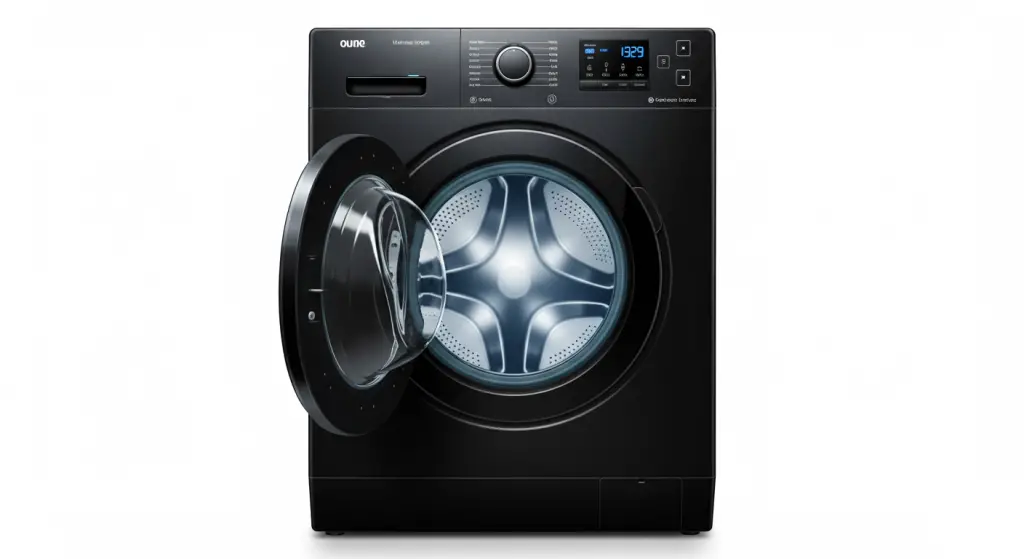
Pour the solution into the pre-wash compartment of your washing machine and run a cold pre-wash cycle. This helps dissolve any mineral buildup before the main wash. -
Wash normally.
After the pre-wash, start your regular wash cycle as usual, but use a minimal amount of detergent — less is more. Too much detergent only leads to further residue buildup on the fibers. -
Rinse thoroughly.
Once the wash cycle is complete, ensure the towels are well-rinsed to remove all traces of vinegar and detergent. -
Dry properly.
Drying is just as important as washing. Avoid leaving towels out in direct sunlight for too long, as intense heat can make them stiff again. If possible, dry them in a shaded, well-ventilated area or use a tumble dryer on a low-heat setting for extra fluffiness.
Extra Tips for Maintaining Soft Towels
-
Avoid overloading your washing machine. Towels need room to move freely for proper cleaning and rinsing.
-
Do not use fabric softeners or bleach. These products coat or damage fibers, reducing softness and absorbency.
-
Wash towels separately. Mixing them with heavy fabrics or synthetics can cause friction, wearing down the cotton loops.
-
Shake them before drying. This helps loosen the fibers and prevents stiffness.
The Result: Towels That Feel Like New
With these two natural ingredients — vinegar and lemon juice — you can restore the luxurious softness of your towels without exposing your skin or the environment to harsh chemicals. The result will be fresh-smelling, fluffy, and absorbent towels that feel just like those you find in luxury hotels.
It’s an easy, eco-friendly trick that not only improves your laundry but also reduces waste and saves money. Once you try it, you’ll never want to go back to commercial softeners again.