Ants in the house, where do they come from: they come out right from here
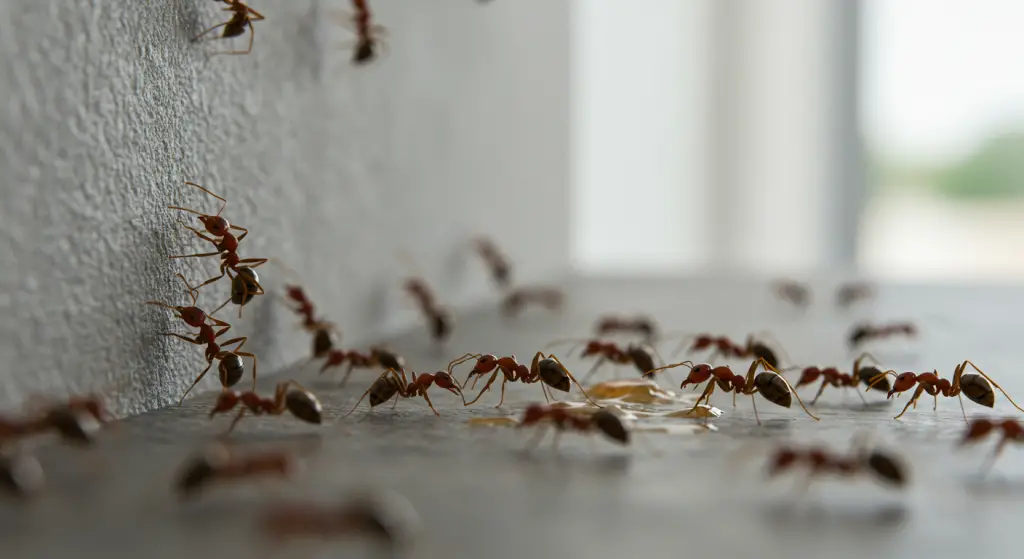
When it comes to dealing with an ant invasion, the first and most important thing to do is to follow their trail. These tiny insects usually move in an organized single file, and if you trace that line to its origin, you’ll discover where they’re entering your home—and that’s exactly where you’ll need to act.
Why Ants Invade Your Kitchen
Few things are more frustrating than preparing food while a trail of ants marches across your kitchen counter. Small, fast, and incredibly persistent, ants move in large numbers and can infiltrate almost any space. While one or two ants might seem harmless, they’re often scouts sent out to find food. Once they locate something edible, they leave behind a scent trail that the rest of the colony will follow—resulting in a full-blown invasion in a matter of hours.
Ants are especially common visitors in the summer. Warm weather encourages them to venture out in search of food to stock up for the colder months. Outside, you might notice long lines of ants carrying tiny seeds or crumbs, transporting them back to their nest. Indoors, they’re drawn to kitchens and pantries, where the scent of food is too strong to resist.
What makes them even more impressive is their strength: a single worker ant can carry food several times its body weight. Though they weigh only about 1 to 5 milligrams, their teamwork and determination make them incredibly efficient. So once their foraging line is established, simply spraying or wiping them away won’t solve the problem. They’ll quickly regroup and rebuild the trail.
How to Locate the Source
Before you start cleaning or spraying, take a moment to observe the ants. Watch where they’re coming from and where they’re heading. Their entry point could be a tiny crack in the wall, a gap near a window, or even a small space behind kitchen tiles. Once you’ve identified their access point, you’ll have a much better chance of stopping the infestation for good.
Preventing an Ant Invasion
Prevention is always the best solution. The key to keeping ants away is maintaining a clean and sealed environment. Because ants are primarily attracted to food, especially sugars and fats, the kitchen is usually their favorite target.
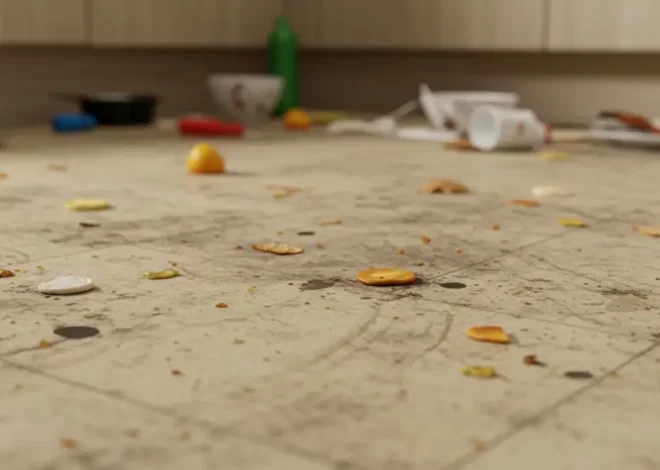
Start by thoroughly cleaning countertops, tables, and floors to ensure no crumbs, grease, or food residue is left behind. Even the smallest particle can be enough to attract an army of ants. Always store food in airtight containers and avoid leaving sweet foods—like honey, sugar, or fruit—uncovered.
Don’t forget the walls and baseboards. Ants often enter from the outside through cracks or holes, which can serve as hidden tunnels leading directly into your kitchen. Seal any visible gaps in the walls, window frames, or near plumbing fixtures. These small openings may seem insignificant, but for ants, they’re perfect doorways.
Once their entry routes are closed, consistent cleaning will help keep them at bay. Disinfecting your counters and floors with vinegar or lemon juice can also help mask the scent trails they leave behind, discouraging them from returning.
When the Infestation Gets Out of Hand
Sometimes, despite your best efforts, the situation may already be beyond simple home remedies. If you notice a persistent invasion that doesn’t improve after cleaning and sealing, it may be time to call in the professionals.
This is where Pest Proofing comes in—a professional pest control service that specializes in ant extermination and environmental sanitation. Ants that have already established colonies inside your walls can be difficult to remove using over-the-counter sprays or DIY methods. These products may kill a few visible ants but rarely reach the heart of the colony.
Professional technicians are trained to identify the species of ant and determine the best treatment method. They also understand how ants communicate using pheromones—chemical scent trails that guide other ants to food sources or nesting sites. Without removing these pheromones, even after spraying, ants can return again and again.
How Pest Proofing Works
Professional disinfestation involves a series of targeted, eco-friendly steps. After identifying the ants’ entry points and nesting areas, technicians place special bait containers strategically around your home. These baits attract the ants, which then carry the toxic substance back to their colony. This method ensures the elimination of the entire colony, not just the visible foragers.
In hard-to-reach places such as cracks, crevices, or hollow spaces behind walls, experts use a gel bait. This gel effectively lures ants out of hiding, allowing for the detection and eventual destruction of nests that might otherwise go unnoticed.
Eco-friendly techniques are preferred because they minimize the use of harsh chemicals, making the process safer for your family and pets. The results are long-lasting and often prevent future infestations from forming.
Final Tips to Keep Ants Away
Once your home is ant-free, you’ll want to make sure they don’t come back. Here are a few final recommendations:
-
Keep it clean: Regularly wipe down kitchen surfaces and sweep up crumbs immediately.
-
Seal it up: Inspect your home periodically for new cracks or holes and seal them promptly.
-
Store smart: Always keep food in sealed containers and avoid leaving pet food out for long periods.
-
Use natural deterrents: A mix of vinegar and water or essential oils like peppermint and tea tree can help keep ants away naturally.
By staying one step ahead and maintaining good household hygiene, you can make your kitchen and home an unwelcoming place for these tiny invaders.
If, however, ants continue to appear no matter what you do, don’t hesitate to seek professional help. With the right combination of prevention, cleaning, and expert pest control, you can finally say goodbye to those persistent little visitors—for good.