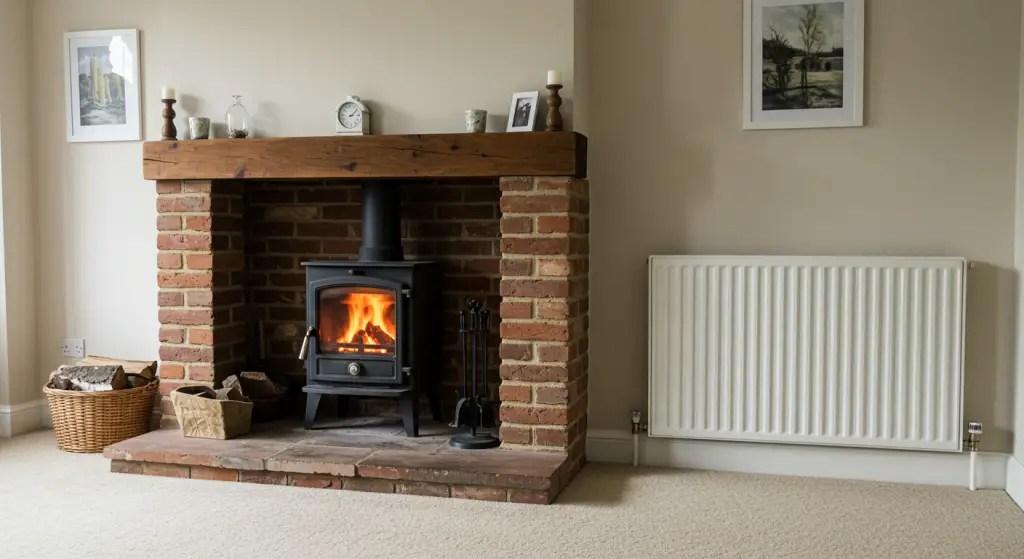
Radiators that are too expensive, here’s the solution for you: with these alternatives you can save a lot of money.
As temperatures begin to drop and winter creeps in, our wardrobes fill with coats, scarves, and warm sweaters. Many people have already switched on their heating systems — but with growing anxiety about what the next gas bill will look like. Heating is one of the biggest household expenses during the colder months, and with energy prices continuing to soar, finding affordable alternatives has become essential. So, what are the best ways to stay warm at home without relying entirely on costly radiators and gas systems?
The High Cost of Heating
Whether you heat your home with gas or electricity, you’ve likely noticed a sharp rise in your utility bills over the last couple of years. This surge in energy costs can be traced back to multiple factors — from the aftermath of the COVID-19 pandemic to the ongoing conflict between Russia and Ukraine that began in early 2022. Europe has been hit especially hard, as much of its natural gas supply depends on external imports.
The result? Record-high energy prices across the continent and increased financial pressure on households trying to keep warm through the winter.
In Italy, for instance, the government has introduced several support measures to help citizens cope. Among these are a €150 electricity bonus and various tax incentives for those upgrading to modern, energy-efficient appliances. These initiatives offer some relief, but with radiators and heating systems accounting for the majority of winter energy consumption, many families are still looking for practical alternatives to reduce costs without sacrificing comfort.
Alternatives to Traditional Radiators
While central heating systems are convenient, they’re also energy-hungry. Fortunately, there are several ways to heat your home efficiently — some of them even add charm and atmosphere.
1. The Fireplace: Warmth and Comfort Combined
Few things feel as comforting in winter as sitting in front of a roaring fire. Whether you’re reading a book, watching a movie, or chatting with family, a fireplace brings both warmth and relaxation to the heart of your home.
A wood-burning fireplace is one of the oldest and most effective heating alternatives. Despite being located in just one room — often the living area — it can distribute warmth throughout the house in just a few minutes. Fireplaces are also remarkably economical: even factoring in the cost of firewood, maintaining a fire is often cheaper than running gas or electric heating.
Beyond its practicality, a lit fireplace offers an undeniable aesthetic and psychological benefit. The flicker of flames, the gentle crackle of burning wood, and the cozy glow create a tranquil, soothing atmosphere that modern systems simply can’t replicate.
2. Financial Incentives for Installing a Fireplace
If you’re considering installing a fireplace or replacing an old heating system, there’s even better news — you may qualify for tax deductions or government rebates.
Under Italy’s “Ecobonus” program, homeowners who replace or partially upgrade their heating systems can access tax relief for energy-efficient improvements. For instance, when the installation involves construction work considered “extraordinary maintenance” — such as building or renovating a chimney — you can claim a 50% income tax deduction (IRPEF) on the total cost.
This deduction covers not only materials and labor but also planning, permits, and administrative expenses related to the renovation. In practice, this means that if your project costs €4,000, you could get €2,000 back in tax credits.
Additionally, if you decide to replace your boiler with a more energy-efficient model or a renewable-energy system such as a pellet stove, heat pump, or biomass boiler, you might be eligible for the “Conto Termico” incentive — which can cover up to 65% of the total cost. These benefits make upgrading your home’s heating system not only sustainable but also financially accessible.
3. Pellet Stoves: Modern, Efficient, and Eco-Friendly
Another excellent alternative to traditional gas heating is the pellet stove. It runs on compressed wood pellets — a renewable and environmentally friendly fuel. Pellet stoves are highly efficient because they burn fuel evenly, producing steady heat with minimal waste.
Modern models come with programmable thermostats and timers, allowing you to control heating cycles and maintain consistent warmth throughout the day without overconsumption. Installation is relatively simple, and pellets are widely available in stores across Europe.
4. Electric Heat Pumps
Electric heat pumps have become increasingly popular in recent years for their energy efficiency and environmental benefits. Rather than generating heat through combustion, they extract warmth from the air outside and transfer it indoors. Even in cold weather, they can provide reliable heating at a fraction of the energy cost of traditional systems.
While the upfront cost can be higher, heat pumps consume significantly less electricity over time, making them a long-term investment that pays off in lower energy bills. They also double as air conditioners during the summer, offering year-round comfort.
5. Infrared Panels and Portable Heaters
If you’re looking for smaller-scale, immediate solutions, infrared heating panels or portable electric heaters can be an excellent choice. Infrared panels work by heating objects and people directly rather than the surrounding air, which means faster and more focused warmth. They’re energy-efficient, silent, and ideal for specific rooms or workspaces.
Portable heaters, on the other hand, are perfect for quick bursts of warmth. While they shouldn’t replace your main heating system entirely, they can help reduce the load on your radiators by keeping smaller areas warm for shorter periods — for instance, your office or bedroom.
Making Smart Choices for the Cold Season
The key to staying warm without overspending is to combine strategic heating habits with the right technology. Here are a few extra tips:
-
Seal drafts and insulate well: Prevent heat from escaping through windows and doors.
-
Use heavy curtains: They help trap warmth inside at night.
-
Close doors in unused rooms: Focus heat where you need it most.
-
Keep a moderate temperature: Around 18–20°C (64–68°F) is ideal for comfort and savings.
Final Thoughts
As gas prices continue to rise, relying solely on radiators is no longer the most practical option. Thankfully, with alternatives like fireplaces, pellet stoves, and heat pumps — along with available government incentives — it’s easier than ever to stay warm, save money, and reduce your environmental impact.
So this winter, don’t let heating costs keep you cold. Explore smarter, more efficient ways to heat your home — your comfort and your wallet will both feel the difference.