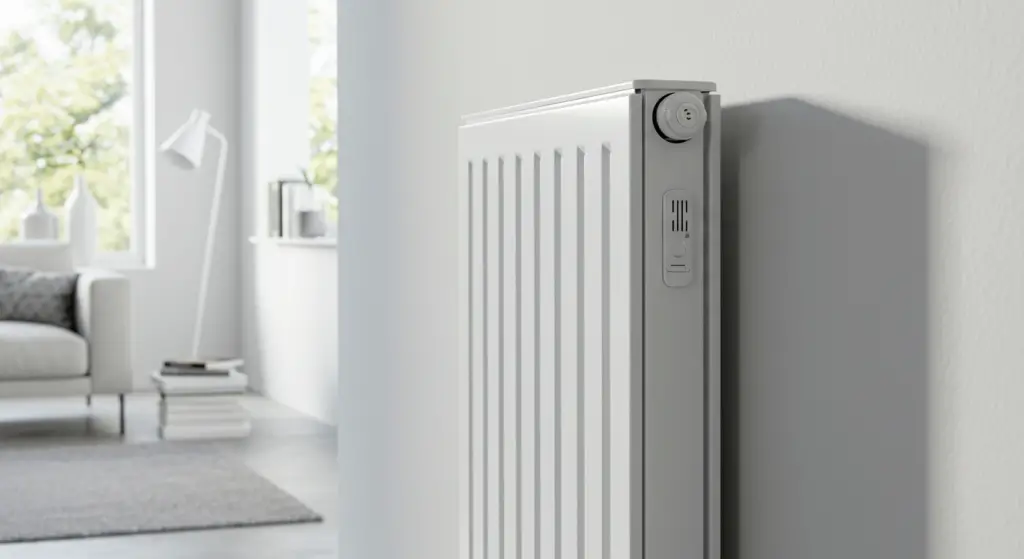
Radiators: The best time to turn them on to save money has been revealed.
Winter is approaching, and with it comes the moment many homeowners dread — switching on the heating system. While a warm and cozy home is a comfort we all look forward to, the thought of rising energy bills can quickly dampen that feeling. Fortunately, there are effective ways to manage heating costs without sacrificing comfort. One of them involves turning on your radiators at the right time of day to ensure maximum warmth with minimum expense.
Heating Costs: Can They Be Controlled?
With the cost of energy and gas skyrocketing in recent years, many families have started comparing rates and switching providers to find the best deals. But optimizing your contract isn’t the only way to cut costs — improving how and when you use your heating can make a major difference.
Savvy homeowners are learning not only how to ventilate their homes efficiently but also how to perform simple maintenance on their radiators to keep them in top condition. Others are looking for easy, everyday strategies to heat their homes wisely, avoiding waste and ensuring every euro spent truly counts.
Governments across Europe have also stepped in with incentives and relief measures to help households deal with soaring utility bills. Still, much of the control lies in our own hands — quite literally — in how we use the thermostat and manage our heating schedules.
Radiators: When You Turn Them On Matters
Heating costs can vary dramatically depending on usage habits. Even though heating systems are used only during the coldest months of the year, they represent one of the largest energy expenses for most households. But a few smart habits can help you keep your home warm without emptying your wallet.
Here are the key strategies experts recommend to heat your home efficiently and avoid waste:
1. Don’t Heat Empty Rooms
If you have rooms that are rarely used, turn off or lower the radiators in those spaces. Heating unused areas means spending money unnecessarily. Concentrate warmth in the rooms where you and your family spend the most time — such as the living room, kitchen, and bedrooms.
2. Air Out the House at the Right Time
It’s important to ventilate your home to renew the air and reduce humidity, but doing so at the wrong time can waste heat. Open windows only during the warmest, sunniest part of the day, and limit airing to about 10–15 minutes per room. This is enough to refresh the air without letting the heat escape completely.
3. Don’t Cover Your Radiators
Many people place damp clothes or towels on radiators to dry them faster — a common mistake. Covering radiators blocks heat circulation, forcing the system to work harder to reach the desired temperature. The result? Higher energy consumption and a heavier bill at the end of the month.
4. Bleed the Radiators Regularly
Before or shortly after turning on the heating for the season, bleed your radiators to remove trapped air. Air pockets prevent hot water from circulating properly, meaning the radiator won’t heat evenly. This not only reduces efficiency but also increases energy waste.
5. Perform Regular Maintenance
Dust, rust, and minor malfunctions can reduce a radiator’s efficiency. Keeping the system clean and well-maintained ensures it heats more effectively and uses less power overall.
What Experts Say About Timing
Heating systems consume the most energy during the initial warm-up phase, when they first switch on and work hard to raise the temperature. Once the desired level of warmth is reached, maintaining it uses far less energy. For this reason, experts suggest avoiding repeated on-off cycles throughout the day.
Instead of cranking up the heat for short periods, try keeping your radiators on at a constant, lower temperature — around 17°C to 18°C (62°F to 64°F) — throughout the day. This stable warmth reduces the need for sudden heating spikes that consume more gas or electricity. You can then raise the temperature by a couple of degrees during the times your family is home and more warmth is needed, such as early morning or evening.
Maintaining a mild, steady temperature helps the system work more efficiently, preventing the sharp “energy peaks” that occur when a cold house has to be rapidly heated.
How Much Can You Save?
According to energy experts, for an average apartment of about 100 square meters, keeping the heating on for 8 to 10 hours a day can cost around €100 per month — depending on the energy provider and insulation quality. However, by adjusting your usage to off-peak hours and maintaining a moderate temperature, you can reduce that figure significantly.
Many utility companies apply different rates throughout the day, with lower prices during off-peak times (typically late evening to early morning). Setting your thermostat to start heating a couple of hours before you wake up and lowering it again before bedtime can help take advantage of these cheaper hours, keeping your house warm when you need it most while saving money.
Finding the Right Balance
It’s not necessary to live in extreme conditions to save money — there’s no need to wear scarves and gloves indoors, but neither should you walk around in summer clothes while the heating is set to tropical temperatures. The key is balance.
Here’s a practical routine:
-
Keep the heating on continuously at around 17°C–18°C.
-
Increase to 20°C only during active hours — for instance, when you’re at home in the evening.
-
Lower the thermostat slightly at night or when you’re out during the day.
-
Use thick curtains and close shutters at night to retain heat.
-
Avoid placing furniture directly in front of radiators, as this blocks heat flow.
The Bottom Line
Heating your home efficiently doesn’t mean sacrificing comfort — it means understanding how your system works and using it wisely. By combining smart maintenance, good ventilation habits, and strategic timing, you can keep your home cozy all winter long while keeping your energy bills under control.
So, when winter’s chill arrives, don’t rush to turn your heating on full blast. Instead, let it work steadily and intelligently — and your wallet will thank you when the next bill arrives.