Never leave the ladle in the pot: here’s what could happen
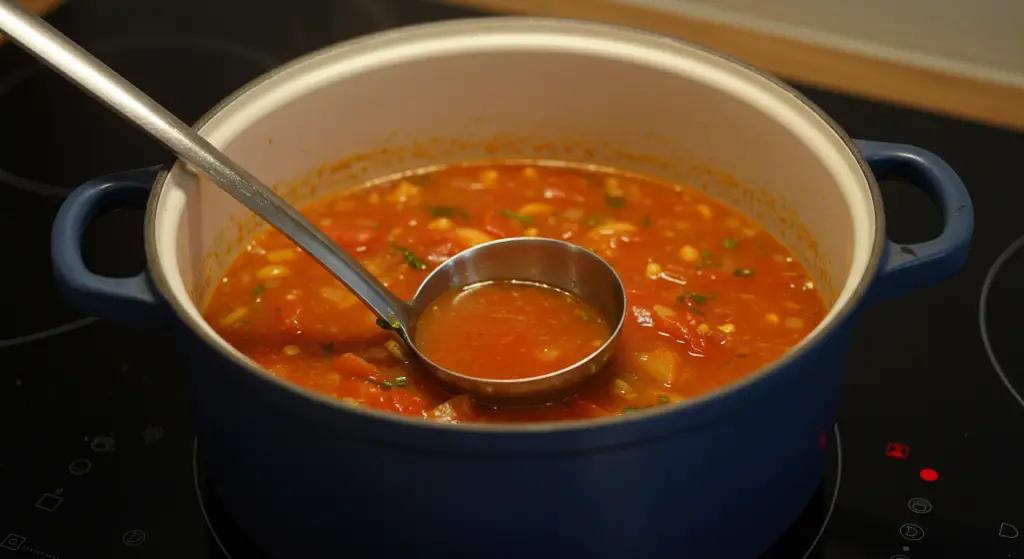
In every kitchen, utensils play a vital role in preparing, cooking, and serving meals. From high-quality knives to spatulas, tongs, and spoons, each tool has a specific function that makes our cooking more efficient and enjoyable. Among these, the ladle is indispensable—perfect for stirring soups, sauces, and stews, and for serving food with ease. Despite its importance, one common habit in many kitchens is potentially harmful: leaving the ladle in the pot after cooking. While it may seem harmless, this practice can lead to several problems, ranging from food safety issues to unnecessary inconvenience.
The Role of Kitchen Utensils
Kitchen utensils are designed to make food preparation safer, cleaner, and more efficient. Proper use and care of these tools not only improve cooking performance but also extend their lifespan. Maintaining cleanliness is particularly important: food residues left on utensils or cookware can become breeding grounds for bacteria and other pathogens. Washing utensils promptly with hot water and soap, followed by thorough rinsing, is essential to prevent bacterial growth.
However, many people neglect this principle when it comes to serving utensils. Leaving a ladle in the pot after cooking may appear trivial, but it can compromise both food safety and the convenience of meal preparation.
Why Leaving the Ladle in the Pot Is a Bad Idea
Several reasons explain why this habit should be avoided:
-
Food Spoilage:
When you store leftover food in the refrigerator with a ladle still in the pot, the lid is often not properly sealed. This exposes the food to air and moisture, accelerating spoilage and increasing the risk of mold formation. Food stored improperly can quickly become unsafe to eat, even if it is refrigerated. -
Bacterial Contamination:
Leaving a ladle in a pot allows bacteria to come into contact with the food. Even in the refrigerator, airborne bacteria and particles can settle on exposed food surfaces. Using a ladle left in the pot increases the risk of cross-contamination, especially if the ladle touches other surfaces or utensils before the food is consumed. -
Cooling Issues:
If you intend to serve the dish later, leaving the ladle in the pot can cause the food to cool unevenly. This may require reheating, which isn’t ideal. Proper food safety guidelines suggest that cooked food should be cooled to safe temperatures within two hours to prevent bacterial proliferation. Leaving the ladle in the pot can hinder this cooling process. -
Convenience and Cleanliness:
A ladle left in a pot can create a mess, particularly when transferring leftovers to storage containers. Drips and spills may occur, requiring extra cleanup. Additionally, leaving utensils in cookware for extended periods can result in dried food residues, making cleaning more difficult and time-consuming.
Best Practices for Ladle Use and Food Storage
To prevent these issues, it’s important to adopt better habits when handling utensils and leftovers:
-
Remove the Ladle Immediately After Serving: Once you’ve served the desired portion, remove the ladle from the pot and either wash it immediately or place it on a clean plate or spoon rest. This prevents bacteria from contaminating both the utensil and the food.
-
Use Airtight Containers: When storing leftovers, transfer food to airtight containers rather than leaving it in the cooking pot. This helps maintain freshness, prevents odor transfer in the fridge, and reduces the risk of contamination.
-
Cool Food Properly: Allow cooked food to cool slightly at room temperature (no more than two hours) before placing it in the refrigerator. This ensures even cooling and slows bacterial growth.
-
Separate Serving Utensils from Storage: Keep utensils used for serving separate from those used for cooking and storage. Using clean utensils each time you handle food minimizes cross-contamination and maintains hygiene.
Additional Considerations
This habit also affects the overall efficiency of meal preparation and storage:
-
Reheating Efficiency: Food that is improperly stored may require additional reheating, which can compromise taste and texture. Removing the ladle and storing food in smaller, evenly cooled portions ensures consistent quality when reheated.
-
Preventing Mold and Odors: Proper storage without a ladle reduces the risk of mold growth and unpleasant odors in your refrigerator. Even a small amount of food residue on the utensil can accelerate spoilage and affect other stored items.
-
Prolonging Utensil Lifespan: Leaving a ladle in a hot pot, especially after cooking acidic or salty foods, can damage the utensil over time. Prompt cleaning preserves its material, ensuring it remains functional and safe for long-term use.
Conclusion
While it may seem convenient to leave a ladle in a pot after cooking, this practice can have unintended consequences. From increasing the risk of bacterial contamination to accelerating food spoilage and creating extra cleanup, the drawbacks outweigh any perceived convenience.
The solution is simple: remove utensils immediately after serving, transfer food to airtight containers, and ensure proper cooling and storage. By adopting these small but crucial habits, you safeguard your health, maintain the quality of your food, and prolong the lifespan of your kitchen tools.
A small adjustment in your kitchen routine—like never leaving a ladle in the pot—can make a significant difference in hygiene, food safety, and overall efficiency. It’s a simple step that prevents bigger problems and ensures your meals remain safe, fresh, and delicious.