Kitchen hoods: do you know how much they actually consume? The answer will surprise you.
Kitchen range hoods are essential appliances that help maintain a clean and comfortable cooking environment. They prevent smoke, unpleasant odors, and the transfer of flavors from spreading throughout your home. While often appreciated for their design, the real value of a range hood lies in its performance and efficiency. Choosing the right model can make a significant difference both in air quality and in energy consumption.
The Importance of a Kitchen Range Hood
A kitchen range hood is more than just a decorative element. Its primary function is to remove airborne grease, steam, odors, and smoke produced during cooking. Without it, cooking can leave your home filled with lingering smells and moisture, which over time can damage walls, cabinets, and furniture.
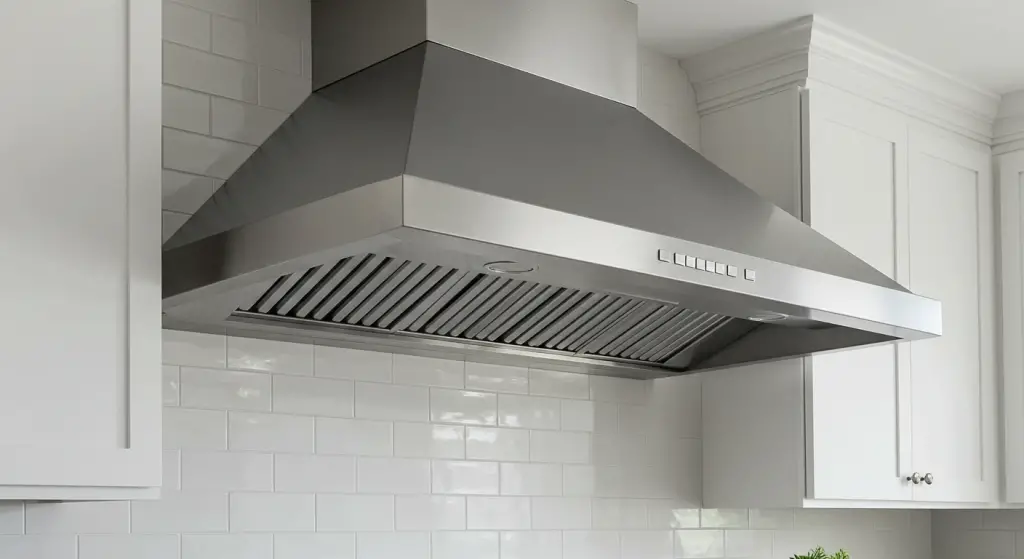
When selecting a range hood, aesthetics often catch the eye first. Modern designs include models that are mounted to the wall, positioned above an island, or even integrated into cabinetry. There are also ceiling-mounted options for open kitchens. Shape options vary from traditional rectangular and pyramidal designs to telescopic or inclined hoods. The choice of design allows the range hood to complement any kitchen style, from minimalist to contemporary or decorative.
However, design is only one aspect of a range hood’s value. Power and efficiency are equally, if not more, important. A hood with insufficient extraction power will fail to remove steam and odors effectively, while an overly powerful model may consume unnecessary energy.
Understanding Energy Consumption
In recent years, energy costs have become a growing concern for many households. Kitchen appliances, while essential, can contribute significantly to monthly electricity bills. Understanding a range hood’s energy consumption is crucial to avoid surprises on your bill.
Range hoods are generally not considered high-consumption appliances, unlike ovens, dishwashers, or washing machines. However, their regular use during cooking means that inefficient models can still add up over time. To evaluate energy use properly, it is necessary to consider multiple factors:
-
Extraction capacity: This measures how much air the hood can move per hour. Higher airflow can improve performance but may also increase energy usage.
-
Filter technology: Efficient grease and odor filters reduce the load on the motor, which can save energy.
-
Lighting efficiency: Many range hoods come with built-in lighting, often LED, which affects overall energy consumption.
By examining these factors alongside the energy efficiency rating, you can choose a model that balances performance and electricity costs.
The Role of Energy Labels
Since 2015, range hoods in Europe have been required to display an energy label. This label provides a comprehensive overview of the appliance’s energy performance, including:
-
Energy class (from A to G, with A being the most efficient)
-
Annual electricity consumption in kilowatt-hours (kWh)
-
Noise levels in decibels (dB)
-
Fat filtering efficiency
For example, a Class A range hood typically consumes about 38 kWh per year and operates quietly. In contrast, a Class C model can consume up to 96 kWh annually, more than twice the energy of a Class A unit, and is likely louder. While Class A hoods may have a higher upfront cost, the long-term savings in energy bills can offset this initial investment.
Types of Kitchen Range Hoods
Range hoods generally fall into two main categories:
-
Ducted (or vented) hoods: These hoods expel air outside the home, effectively removing smoke, odors, and moisture. They are highly efficient but require proper installation of ducting.
-
Recirculating (or ductless) hoods: These units filter the air through charcoal or other filters and recirculate it back into the kitchen. While easier to install, they are generally less effective at removing moisture and odors completely.
Additionally, hoods may be integrated into furniture, mounted on walls, or installed above kitchen islands. Some models feature telescopic or inclined visors, offering both aesthetic appeal and functional benefits.
Balancing Design and Efficiency
When choosing a range hood, it is crucial not to focus solely on design. A visually appealing hood that is inefficient or consumes too much energy can end up being costly in the long term. The ideal hood combines high extraction capacity, quiet operation, and low energy consumption.
Checking the energy label ensures that you know exactly what you are purchasing. It helps evaluate not only energy use but also long-term running costs and performance metrics such as noise level and grease filtration. This information allows for a more informed decision that balances functionality, design, and financial impact.
Practical Tips for Selecting a Range Hood
-
Consider kitchen size and cooking habits: Larger kitchens or homes where frequent cooking produces heavy smoke may require more powerful extraction.
-
Check the energy label: Choose a hood with a high-efficiency rating (Class A or B) to reduce electricity costs.
-
Look for quiet operation: Noise levels are measured in decibels on the energy label. A quieter hood improves the comfort of your kitchen environment.
-
Evaluate installation options: Decide whether a wall-mounted, island, ceiling-mounted, or integrated unit suits your kitchen layout.
-
Consider maintenance: Efficient grease and odor filters reduce cleaning frequency and improve energy performance.
Conclusion
Kitchen range hoods are essential for maintaining a clean and pleasant cooking environment. They remove smoke, odors, and moisture while enhancing kitchen aesthetics. Beyond their functional importance, paying attention to energy consumption and efficiency can make a significant difference in electricity bills over time.
By selecting a range hood that balances performance, noise level, and energy efficiency, you ensure long-term savings and comfort. Remember to check the energy label, consider installation options, and choose a model that meets both your practical and design preferences. Investing in the right kitchen hood is not just about style—it is about efficiency, economy, and creating a healthier home environment.