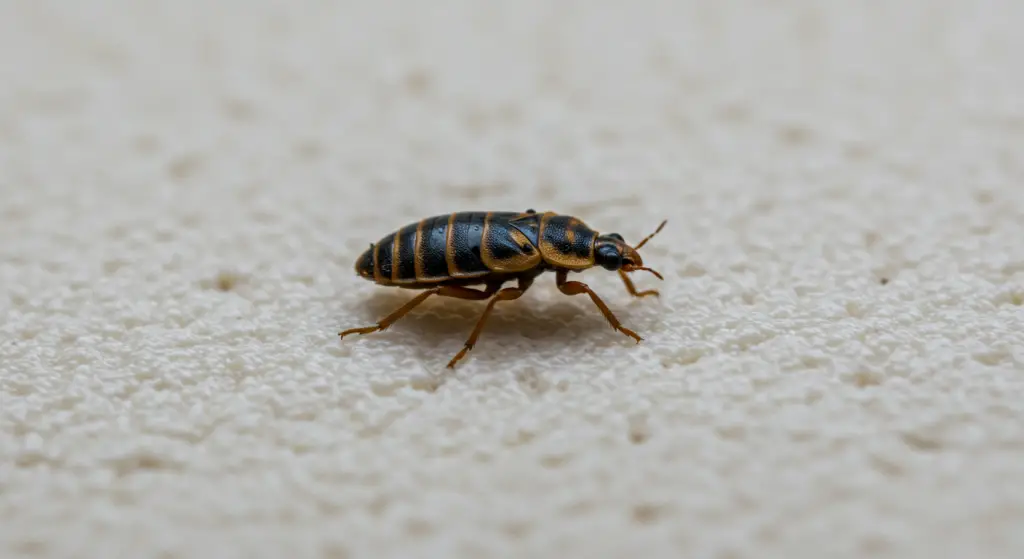
Check your mattress, if you have these marks on your skin your bed is infested with bed bugs
Bedbugs are small, flat, oval-shaped insects that can become an absolute nightmare once they make their way into your home. Most people associate the word “bedbug” with itchy bites and sleepless nights—and for good reason. These pests are incredibly resilient, hard to detect, and can multiply rapidly once they’ve infested your bedroom. If you’ve noticed unexplained red marks or itchy bumps on your skin, there’s a strong chance that bedbugs have found a home in your mattress.
What Bedbugs Look Like
Although many types of “cimici” (the Italian word for bugs) exist in nature—including green or brown shield bugs commonly found on plants—bedbugs (Cimex lectularius) are a completely different species. Unlike their plant-feeding cousins, bedbugs feed exclusively on blood, making humans and pets their ideal hosts.
Adult bedbugs are about the size of an apple seed, reddish-brown in color, and slightly flattened. After feeding, their bodies swell and darken. Despite their size, they can hide easily in tiny cracks, mattress seams, or behind furniture. Their stealthy nature makes them difficult to spot until the infestation has already grown.
Where Bedbugs Hide
Bedbugs prefer warm, dark, and quiet environments—making your bedroom the perfect hiding spot. They can live inside mattresses, bed frames, behind baseboards, inside electrical outlets, or even in piles of clothing. During the day, they remain hidden, emerging only at night to feed on sleeping humans.
These insects don’t have wings, but they’re very good at clinging to fabrics and hair, allowing them to move from one room—or even one home—to another by hitching a ride on luggage, clothing, or second-hand furniture.
Signs That You Might Have Bedbugs
The most obvious sign of a bedbug infestation is bites on your skin. Bedbug bites often appear as small, red, itchy bumps. They can be mistaken for mosquito bites but tend to follow a distinctive pattern—either in small clusters or straight lines, reflecting the bug’s feeding path.
Other warning signs include:
-
Tiny blood spots on your sheets or pillowcases.
-
Dark brown or black droppings (bedbug feces) on the mattress or near furniture joints.
-
Shed skins or eggshells, often found near the seams of the mattress.
-
A slightly musty, sweet odor—especially if the infestation is heavy.
The Effects of Bedbug Bites
Bedbug bites themselves are not painful when they occur. The insects inject a mild anesthetic into the skin before feeding, so you don’t feel anything until later. However, a few hours after being bitten, you may notice itchy welts or bumps appearing.
While the bites usually heal on their own within a few days, the itching can be quite uncomfortable. Scratching can also lead to secondary infections if bacteria enter through the broken skin.
To relieve the itching, try these simple remedies:
-
Wash the affected area gently with warm water and mild soap.
-
Apply a cold compress to reduce swelling.
-
Use natural soothing creams or lotions containing aloe vera, chamomile, or calendula.
-
If the itching persists, over-the-counter antihistamines or hydrocortisone creams may help.
If you notice signs of infection—such as pus, redness, or fever—consult a doctor immediately.
What to Do If You Suspect Bedbugs
If you recognize any of the signs above, don’t wait—take action immediately. Bedbugs reproduce quickly, and a small problem can turn into a full infestation in just a few weeks.
Start by stripping your bed completely and washing all bedding, pillowcases, and clothing in hot water (at least 60°C / 140°F). Dry everything on the highest heat setting, as heat kills both bugs and their eggs.
Next, vacuum your mattress thoroughly, paying attention to seams, tufts, and edges. Dispose of the vacuum bag immediately afterward to prevent the insects from escaping. If possible, place your mattress in direct sunlight or use a steam cleaner to expose it to high heat.
You should also inspect nearby furniture, curtains, rugs, and even electrical outlets. Bedbugs can hide anywhere close to where you sleep.
When to Call a Professional
If the infestation seems severe—meaning you continue to see bites or live bugs even after cleaning—it’s best to contact a professional pest control service. Bedbug removal requires specialized treatments, including chemical or heat-based methods that reach deep into cracks and crevices.
Attempting to handle a major infestation on your own can sometimes make the problem worse by causing the insects to spread into other areas of the home.
Natural Ways to Repel Bedbugs
For minor problems or prevention, you can try a few natural deterrents to keep bedbugs at bay:
-
Garlic: The strong odor acts as a natural repellent for many insects, including bedbugs. You can crush a few cloves and place them near suspected hiding spots or mix garlic oil with water to spray around the bed frame.
-
Diatomaceous Earth: This natural powder dehydrates and kills bedbugs upon contact. Sprinkle a thin layer under the bed, along baseboards, and behind furniture. Leave it for a few days, then vacuum thoroughly.
-
Tea Tree Oil: Known for its antimicrobial and insect-repelling properties, tea tree oil can be mixed with water and sprayed onto mattresses and fabrics to discourage bedbugs from settling.
Final Thoughts
Bedbugs may be small, but they can cause enormous discomfort and stress once they invade your home. The key is early detection and prompt action. Check your mattress regularly, wash your linens often, and stay alert for signs of infestation.
If you do find evidence of bedbugs, remember that you’re not alone—it’s a common issue that can happen to anyone, regardless of cleanliness. With the right combination of prevention, natural remedies, and, if necessary, professional help, you can eliminate these unwelcome guests and sleep peacefully once again.