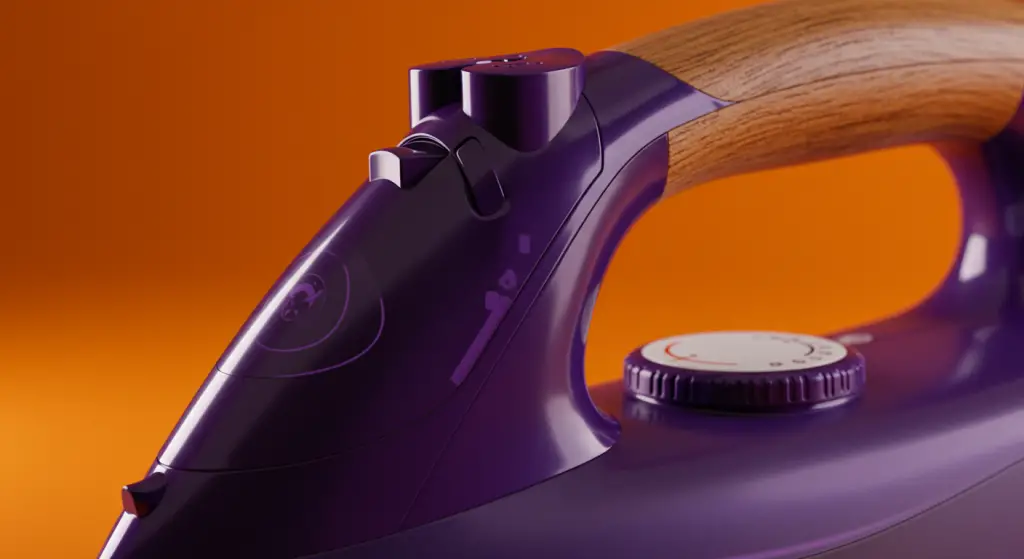
Iron: Add a drop before you start ironing: it will halve your bill.
Cleaning your iron might not be the first thing that comes to mind when thinking about saving money, but keeping it free from limescale buildup can actually lower your electricity consumption and extend the appliance’s lifespan. In a time when energy prices are higher than ever, small habits like maintaining your iron can make a noticeable difference on your monthly bill. The good news? You can clean it effectively using ingredients you already have in your kitchen.
Why Cleaning Your Iron Is So Important
The iron is one of those household appliances we tend to take for granted — until it stops working properly. Its job is to remove wrinkles from freshly washed and dried clothes, leaving them smooth and presentable. Whether it’s a traditional steam iron, one with a built-in water tank, or a more advanced model with a boiler, all of them share one thing in common: they use water to produce steam.
However, this same water — especially if it comes from the tap — often contains minerals like calcium and magnesium. Over time, these minerals accumulate inside the iron and form limescale deposits. This buildup can clog the steam holes, reduce heat efficiency, and even cause stains or white residues on your clothes.
When limescale builds up inside the iron, it forces the appliance to work harder and consume more electricity to reach the same temperature. This directly impacts your utility bill. That’s why cleaning and maintaining the iron regularly is not only a matter of hygiene but also an easy way to save money and energy.
Prevent Limescale Buildup Before It Starts
The best approach to keeping your iron in top condition is prevention. If you live in an area with hard water, avoid using water directly from the tap in your iron. Instead, opt for distilled water or demineralized water. Interestingly, the water collected from your air conditioner’s drip tray is also demineralized and can be reused safely in your iron.
By simply changing the type of water you use, you can significantly slow down the buildup of mineral deposits and reduce the need for frequent deep cleaning.
How to Remove Limescale from the Inside of Your Iron
If your iron already shows signs of limescale — such as white residue, poor steam output, or uneven heating — don’t worry. You can easily clean it using a natural and inexpensive method.
To clean the inside of the iron, prepare a simple cleaning solution using equal parts of demineralized water and baking soda, or alternatively, demineralized water and white vinegar.
Here’s how to do it step-by-step:
-
Prepare the mixture. Combine the two ingredients in equal quantities. For example, use half a cup of demineralized water and half a cup of vinegar.
-
Fill the iron’s water tank. Pour the mixture into the reservoir, making sure it doesn’t overflow.
-
Let it sit. Leave the mixture inside for about 30 minutes to dissolve any limescale buildup.
-
Turn on the iron. Switch it on and set it to the steam function. Allow it to heat for a few minutes, then release steam to flush out the residue.
-
Empty the tank. Pour out any remaining liquid and rinse the reservoir thoroughly with clean water.
To avoid making a mess, place a bowl or towel underneath the iron while releasing the steam. After this process, the internal parts of your iron — including the water chamber and steam vents — should be completely free of scale.
How to Clean the Soleplate (the Iron’s Metal Plate)
The soleplate — the flat metal surface that comes into contact with your clothes — also needs regular cleaning. Over time, limescale and burned fabric particles can accumulate on it, reducing the iron’s smooth glide and potentially damaging your garments.
To clean it, make a gentle scrubbing paste:
-
Mix 2 tablespoons of baking soda with 4 tablespoons of cold water until you get a thick, creamy texture.
Once your iron is completely cool, apply the paste to the soleplate using a soft cloth or sponge. Gently rub in circular motions, focusing on the areas where deposits are most visible.
Avoid using abrasive sponges or metal scrubbers, as these can scratch the plate and make it more prone to dirt buildup. After cleaning, wipe the surface with a damp cloth to remove all residue, then plug in the iron and glide it over a clean cotton cloth for a few minutes. This final step ensures any leftover baking soda is fully removed.
If stubborn deposits remain, simply repeat the process. Regular cleaning will keep the soleplate shiny, smooth, and efficient.
A Simple Trick to Keep Your Iron Fresh and Efficient
Once your iron is spotless, there’s a simple preventative measure that can keep it clean longer. Before filling the tank with water, add a few drops of white vinegar. This mild acid helps prevent new limescale deposits from forming inside the iron.
Don’t worry — the vinegar won’t harm your clothes or affect the fabric’s smell. It simply helps maintain a balanced pH level in the water, ensuring the internal parts of your iron remain clean and efficient.
By keeping your iron free from mineral buildup, it will heat up faster, glide more smoothly, and use less power. This translates to a noticeable reduction in energy consumption and lower electricity bills over time.
The Bottom Line
A clean iron is more than just a functional appliance — it’s a smart way to save money, protect your clothes, and improve your ironing experience. Limescale buildup can make your iron work harder, consume more electricity, and even damage fabrics, but with simple household ingredients like baking soda and vinegar, you can easily prevent that.
By following this easy cleaning routine and switching to demineralized water, you’ll ensure your iron stays efficient and long-lasting. It’s a small, low-effort habit that pays off in smoother clothes, lower energy bills, and a healthier appliance — proving once again that sometimes the best home care secrets are found right in your kitchen.