What’s that hidden hole in the fridge for? It’s very useful, but few people use it.
There’s a small hole inside your refrigerator that most people overlook entirely. You may not have paid attention to it before, but it’s there for a reason—and it plays an essential role in keeping your fridge working properly. Understanding what this mysterious little hole does, and how to maintain it, can save you from leaks, odors, and even costly repairs.
Let’s explore the purpose of this drainage hole, what to do if you find water inside your fridge, and how a few simple steps can prevent common refrigerator issues.
The Refrigerator: A Modern Essential
The refrigerator is one of the most indispensable appliances in any home. It’s what keeps our food fresh and safe to eat, preventing spoilage and waste. Unlike other appliances that can be turned off, your fridge works 24 hours a day, 7 days a week, consuming electricity continuously to maintain the ideal temperature.
Over the years, refrigerators have become far more advanced and energy-efficient. Yet, even the most modern models can experience small issues from time to time—one of the most common being water pooling inside the fridge. Many people are alarmed when they see droplets or small puddles forming on the bottom shelf, wondering if the appliance is malfunctioning.
The good news is that in most cases, this problem is perfectly normal and easy to fix. The culprit is often that little hole you’ve probably never noticed before.
The Purpose of the Small Hole in Your Fridge
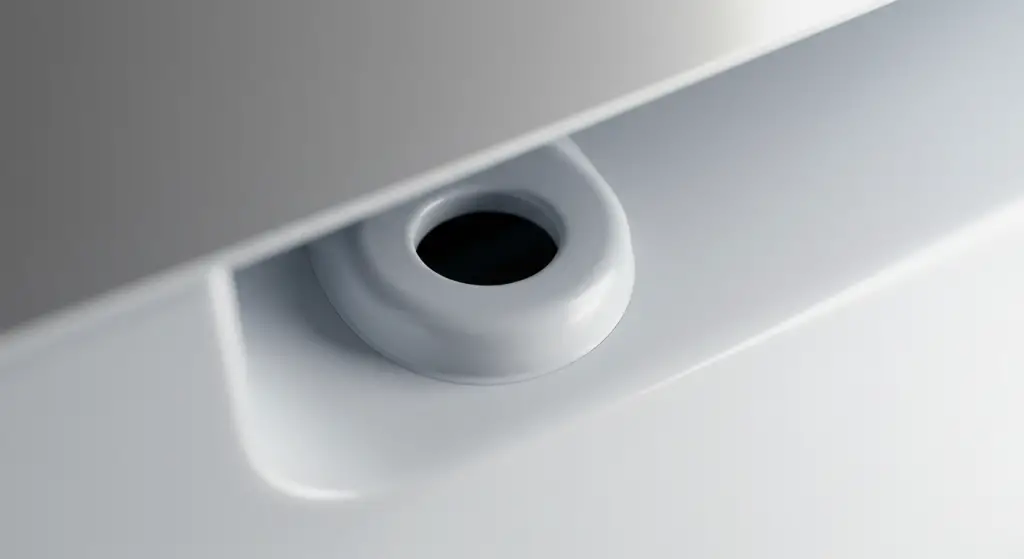
If you take a look inside your refrigerator—especially near the fruit and vegetable drawers or on the lowest back wall—you’ll notice a small opening. That hole isn’t a design flaw or a manufacturing accident; it’s actually one of the most important components in your fridge’s cooling system.
This opening is known as the drain hole or defrost drain. Its purpose is to manage and drain condensation that naturally forms inside the refrigerator. When warm air enters the fridge (for example, when you open the door), it meets the cold air inside, creating moisture. This moisture turns into tiny droplets that eventually flow down the back wall.
The drain hole collects this water and directs it to a small drainage channel that leads to a tray located at the back of the refrigerator, near the compressor. The heat from the compressor causes the collected water to evaporate, keeping your fridge dry and functioning efficiently.
What Happens When the Drain Hole Gets Blocked
If this hole becomes blocked or clogged, it can no longer do its job. As a result, the water that would normally drain away begins to accumulate inside the fridge. You might notice droplets forming along the back wall, pools of water under the crisper drawers, or even ice buildup in some cases.
A blocked drain hole is often caused by:
-
Food crumbs or small debris falling into the hole.
-
Mineral deposits from hard water.
-
Ice or frost forming due to poor air circulation or incorrect temperature settings.
When you spot these warning signs, it’s time to take action before the situation worsens.
How to Unblock and Clean the Fridge Drain Hole
Fortunately, unblocking the drain hole is a quick and simple task that you can do yourself without professional help. Here’s how to do it safely:
-
Unplug the refrigerator.
Always disconnect the appliance before starting any cleaning or maintenance work. -
Locate the hole.
It’s usually positioned near the bottom of the back interior wall, just above the crisper drawers. -
Check for visible blockages.
Use a small, thin object—like a toothpick, a cotton swab, or a soft wire—to gently remove any food particles or debris. Be careful not to damage the plastic around the opening. -
Flush with warm water and vinegar.
Mix warm (not boiling) water with a bit of white vinegar and pour it carefully into the hole using a syringe, a small funnel, or a squeeze bottle. This will help dissolve any remaining buildup and disinfect the area. -
Wipe down the interior.
Dry the area thoroughly before plugging the refrigerator back in.
Performing this quick maintenance once every few months can prevent clogging and ensure your fridge remains clean and efficient.
Other Common Causes of Water Inside the Fridge
If you’ve cleared the drain hole and the problem persists, there may be other factors to consider.
1. Storing Hot Food in the Fridge
One of the most common mistakes people make is placing warm or hot food directly into the refrigerator. This raises the internal temperature, forcing the appliance to work harder to cool down. The sudden change can create excess condensation, which collects as water droplets on the back wall or shelves.
Always allow cooked dishes or leftovers to cool to room temperature before refrigerating them.
2. Incorrect Temperature Settings
Maintaining the right temperature is essential. If it’s set too low or too high, condensation problems can arise. The ideal settings are:
-
+5°C (41°F) for the refrigerator compartment
-
−18°C (0°F) for the freezer
These temperatures keep your food fresh while minimizing frost and moisture buildup.
3. Blocked Airflow or Overcrowding
When the fridge is too full, air can’t circulate properly. Cold air needs space to move around to maintain a consistent temperature throughout the interior. Poor circulation can lead to uneven cooling and excessive moisture.
Try to organize your food so that air can flow freely, especially near the back wall and around the drain area.
When to Call a Technician
If you’ve checked and cleaned the drain hole, adjusted the temperature, and ensured proper airflow but water continues to appear, it might indicate a more serious issue. Problems like a malfunctioning thermostat, a faulty door seal, or a broken defrost system can also cause excess condensation.
In these cases, it’s best to contact a professional refrigerator technician to diagnose and fix the problem.
Final Tips for a Healthy Refrigerator
-
Clean your fridge regularly to prevent buildup of ice and debris.
-
Avoid blocking the drain hole with food or packaging.
-
Keep the interior temperature stable by minimizing how often and how long you open the door.
-
Always dry any visible water immediately to prevent mold or odors.
By understanding the role of that small, often-ignored hole in your refrigerator, you can keep your appliance running efficiently and extend its lifespan. A few minutes of preventive maintenance can spare you from leaks, unpleasant smells, and unnecessary repair costs.
So next time you spot a few drops of water at the bottom of your fridge, don’t panic—just check the drain hole. It’s small, but it does a big job in keeping your refrigerator in perfect working order.