Waste sorting: Where should coffee grounds be disposed of? Almost everyone gets it wrong.
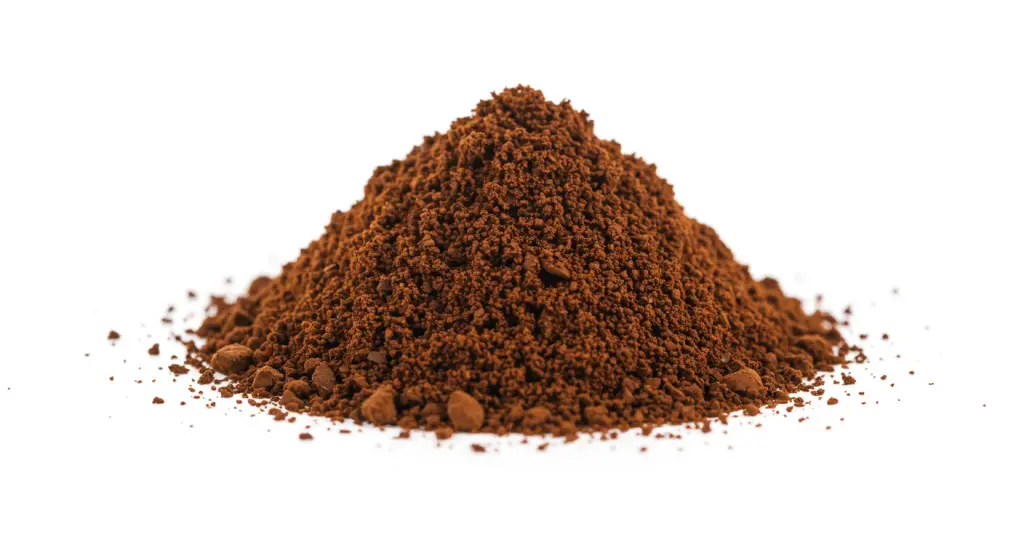
If you’re wondering where coffee grounds should go after brewing your daily cup, the short answer is: into the organic waste bin. However, before tossing them out, there are a few important things you should know to avoid clogging your drains or wasting a valuable natural resource.
Millions of people enjoy coffee every single day, whether in the morning, after lunch, or as an afternoon pick-me-up. But once the last sip is gone, the question always remains — what should you do with the coffee grounds? Some people throw them in the sink, others in the trash, but there is a right way and a wrong way to dispose of them.
Why You Shouldn’t Throw Coffee Grounds in the Sink
Many people believe that coffee grounds can clean pipes and prevent blockages thanks to their mildly abrasive texture. Unfortunately, this is a myth. Even though coffee grounds are biodegradable, they are still a solid material that doesn’t dissolve in water. When poured down the drain, the grounds can stick to the inner walls of pipes, especially if mixed with grease or oil. Over time, this mixture hardens and forms clogs that can completely block your drainage system.
Furthermore, because coffee grounds retain moisture, they can encourage the growth of mold inside pipes and drain traps. The combination of organic residue and humidity is the perfect environment for bacteria and fungi to thrive.
So, to avoid plumbing problems and unpleasant odors, the best choice is to keep coffee grounds far away from your sink.
The Right Place for Coffee Grounds: The Organic Waste Bin
Since coffee grounds are biodegradable food waste, the correct way to dispose of them is in the organic waste container (also called the compost or food waste bin). Once collected, they can be processed and turned into compost — a rich, natural fertilizer that can improve soil health and promote plant growth.
If you have a home composting system, that’s even better! Coffee grounds are a wonderful addition to compost piles. They add nitrogen, one of the essential nutrients that microorganisms need to break down organic matter efficiently. However, it’s important to balance the coffee grounds with “brown” compost materials such as dried leaves, paper, or cardboard. This keeps the compost from becoming too acidic or compacted.
What About Coffee Capsules and Pods?
In today’s world, most coffee drinkers use capsule or pod machines rather than traditional moka pots or filters. These machines are convenient, fast, and clean — but they create a new environmental issue: capsule waste.
Coffee capsules are typically made of aluminum or plastic, both of which can be recycled. However, they can’t simply be thrown into the recycling bin without a bit of preparation. The coffee grounds inside must first be removed and thrown into the organic waste bin or used for composting.
Only once they are empty can the capsules themselves be recycled, depending on the material.
-
Aluminum capsules can be sent to recycling centers to be melted down and reused for new capsules or other products.
-
Plastic capsules, on the other hand, must be checked carefully to ensure they’re recyclable, as not all types of plastic are accepted by local recycling systems.
Throwing the entire capsule — coffee and all — into the plastic or metal bin is incorrect. Used capsules are technically not classified as packaging waste but as food waste with packaging, similar to tea bags. This means they don’t automatically enter the standard recycling system for packaging materials.
Capsule Recycling Programs
To tackle this issue, several major coffee brands have launched their own capsule collection and recycling programs. Many companies now provide drop-off points or collection bags that allow customers to return used capsules. Once collected, they are sent to specialized plants where both the coffee grounds and the aluminum or plastic are separated and recycled individually.
If you regularly use coffee capsules, it’s worth checking whether the brand you use offers a similar recycling initiative. Participating in these programs ensures that the materials are handled responsibly and don’t end up in landfills.
A Greener Option: Reusing Coffee Grounds
Before throwing away your coffee grounds, consider reusing them. They are a versatile, eco-friendly material with many practical applications around the house and garden:
-
As a natural fertilizer: Coffee grounds are rich in nitrogen and minerals like potassium and phosphorus. They can improve soil structure and promote healthy plant growth. Simply sprinkle them on the soil of your houseplants or mix them into your garden soil.
-
As a compost booster: Add the used grounds to your compost bin to enrich the organic mix and accelerate decomposition.
-
As a natural deodorizer: Dried coffee grounds absorb odors effectively. Place a bowl of them in your refrigerator, shoes, or garbage bin to neutralize bad smells.
-
As a gentle scrub: Mixed with a bit of olive oil, coffee grounds can become a natural exfoliating scrub for cleaning kitchen surfaces or even as a body scrub (just avoid delicate skin areas).
If you have a balcony or a small garden, freeing the coffee grounds from their capsules and reusing them as fertilizer is one of the most sustainable choices you can make.
The Bottom Line
Disposing of coffee grounds correctly might seem like a small detail, but it makes a big difference for both the environment and your home. Avoid throwing them down the sink, where they can cause costly plumbing issues. Instead, place them in the organic waste bin, compost them, or reuse them for your plants.
As for capsules and pods, always separate the coffee from its container and recycle the materials responsibly according to local guidelines or through official brand recycling programs.
By taking these simple steps, your morning coffee routine can become a sustainable habit — one that benefits your home, your garden, and the planet.