A clean and shiny house in 15 minutes: the Marie Kondo method
It’s more than just tidying up — it’s a philosophy for living. The Marie Kondo method, also known as the KonMari Method, has become a global phenomenon, changing how millions of people view their homes, their possessions, and even themselves. At first glance, it might seem like a simple guide to organizing your space, but the deeper you look, the more you realize it’s about transforming your mindset and rediscovering balance in everyday life.
This method was introduced by Marie Kondo, a Japanese author and consultant born in 1984, through her best-selling book “The Life-Changing Magic of Tidying Up.” With over two million copies sold worldwide, the book made Kondo an international symbol of serenity and order. Often called “the queen of tidiness” in her home country, Kondo teaches that outer order creates inner peace — that the way you care for your surroundings mirrors the way you care for your spirit.
A Modern Need for Order
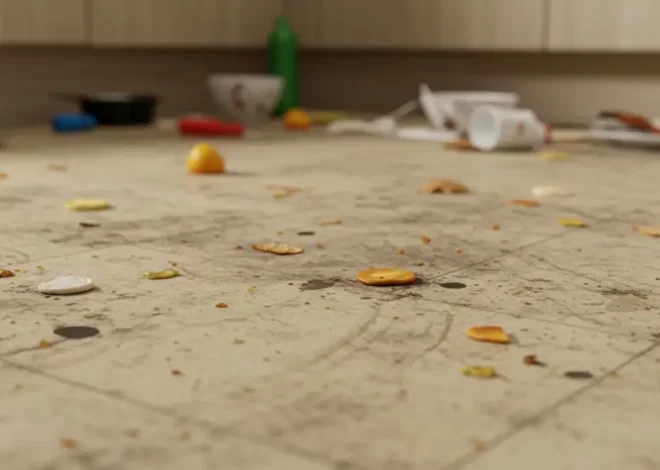
We live in an age of excess. Homes are getting smaller while our possessions continue to multiply. Closets overflow, drawers bulge, and countertops disappear under layers of things we rarely use. We are constantly bombarded by advertisements convincing us we need more — more clothes, more gadgets, more décor. The result? A home that feels suffocating and a mind that mirrors that same chaos.
Marie Kondo’s approach is a practical yet deeply spiritual response to this modern dilemma. Her philosophy is rooted in the Zen belief that harmony in one’s environment brings harmony to the mind. When your surroundings are clean, balanced, and intentional, you naturally cultivate calm, focus, and gratitude. Clutter, on the other hand, blocks the flow of positive energy and clouds your thinking.
The KonMari Method is therefore more than just an organizing system — it’s a mindful lifestyle choice designed to restore balance to both home and heart.
The Core Philosophy: Keep Only What Sparks Joy
At the heart of Marie Kondo’s method lies one simple, life-changing question:
“Does it spark joy?”
This guiding principle may sound poetic, but it’s surprisingly practical. Each item in your home should serve a purpose — either functional or emotional. If something no longer brings you happiness or usefulness, it’s time to thank it for its service and let it go.
By consciously releasing what no longer serves you, you make space for clarity and renewal. Every item that remains in your home becomes meaningful, purposeful, and uplifting. The result is a home that feels lighter, calmer, and truly yours.
The Step-by-Step Journey to a Peaceful Home
Marie Kondo emphasizes that tidying should be a transformative experience, not a weekend chore. It’s a journey of self-discovery that requires patience and introspection. Here are the essential steps of the KonMari process:
1. Start with the Right Mindset
Before you touch a single item, prepare mentally. Decluttering can be emotionally demanding — you’ll revisit memories, confront attachment, and face habits of overconsumption. Kondo insists that motivation must come from within: you must genuinely want to live a simpler, more intentional life. Once you find that inner drive, the process becomes an act of liberation rather than loss.
2. Tidy by Category, Not by Room
Unlike most cleaning methods, the KonMari approach doesn’t recommend tidying room by room. Instead, it’s done by category. This helps you see the full extent of what you own. Start with clothing, then move to books, papers, miscellaneous items (known as komono), and finally sentimental items.
For example, gather every piece of clothing you own into one place — every drawer, every closet. Seeing it all together creates a powerful visual realization of how much you truly have. Then, pick up each item one by one and ask: Does this spark joy?
3. Respect and Release
Once you’ve decided an item no longer belongs in your life, don’t just throw it away mindlessly. Marie Kondo teaches gratitude — thank each object for the role it played before letting it go. This moment of appreciation transforms what could feel like loss into closure and mindfulness.
4. Organize What Remains
After decluttering, it’s time to give every remaining item a specific home. Kondo recommends storing items vertically, especially clothes, so that everything is visible and accessible. This not only saves space but also brings order and beauty to your drawers and shelves.
Every item should have a designated place — one that makes sense and is easy to maintain. Over time, this clarity prevents clutter from creeping back in.
5. Create a “Joy Corner”
Marie Kondo also suggests creating a dedicated space for things that inspire happiness — photos, souvenirs, or meaningful objects. This “joy corner” becomes a sanctuary of positive energy where you can pause, recharge, and reconnect with what matters most.
Beyond the Home: The Spiritual Benefits of the KonMari Method
The KonMari method doesn’t just change your environment — it changes how you relate to yourself. The act of decluttering fosters mindfulness, gratitude, and emotional clarity. Each decision you make forces you to confront what you value and what you can release.
People who follow this method often report feeling lighter, calmer, and more focused. The physical act of creating order clears mental fog and anxiety, allowing you to channel your energy toward creativity and joy. As Kondo explains, “When you put your house in order, you put your affairs and your past in order, too.”
This connection between outer and inner order is deeply rooted in Japanese culture. In Zen philosophy, harmony in the external world reflects harmony within. A tidy, peaceful home nurtures your spirit, while clutter invites confusion and fatigue.
By living with only the things that truly spark joy, you learn to live intentionally — to value quality over quantity, essence over excess.
A Method That Truly Transforms
The brilliance of the Marie Kondo method lies in its simplicity and universality. You don’t need expensive tools, storage bins, or fancy furniture. What you need is awareness, honesty, and commitment. It’s a process that encourages self-reflection and emotional healing, wrapped in the practical goal of a cleaner home.
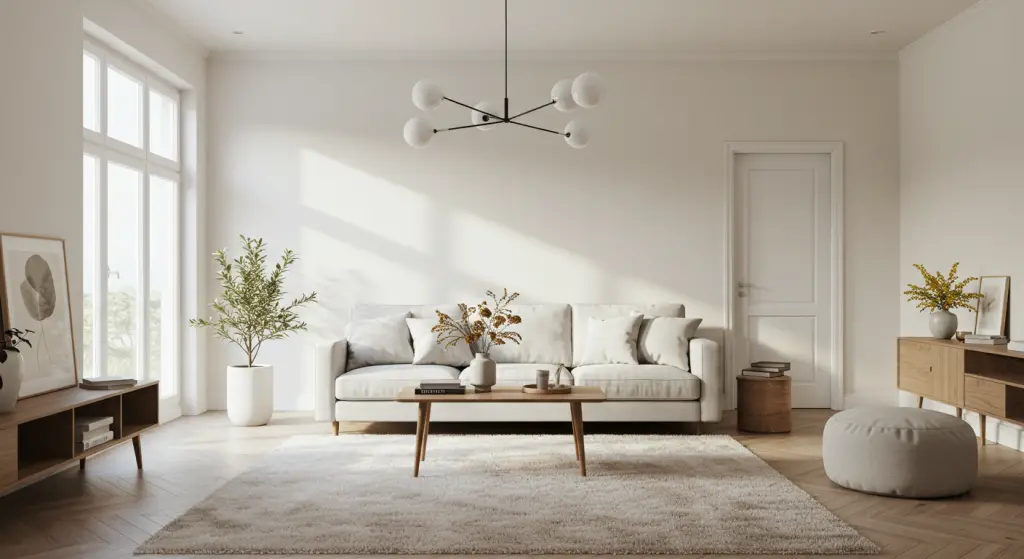
And the result? A space that radiates calm — and a mind that mirrors it.
Marie Kondo’s philosophy reminds us that tidying isn’t about perfection or minimalism for its own sake. It’s about creating an environment that supports your well-being and reflects your true self. Once your surroundings become aligned with your inner peace, every corner of your life begins to feel lighter, freer, and more joyful.
So the next time you open a cluttered closet or a crowded drawer, remember: the journey to a peaceful life might just begin with a single question — Does this spark joy?