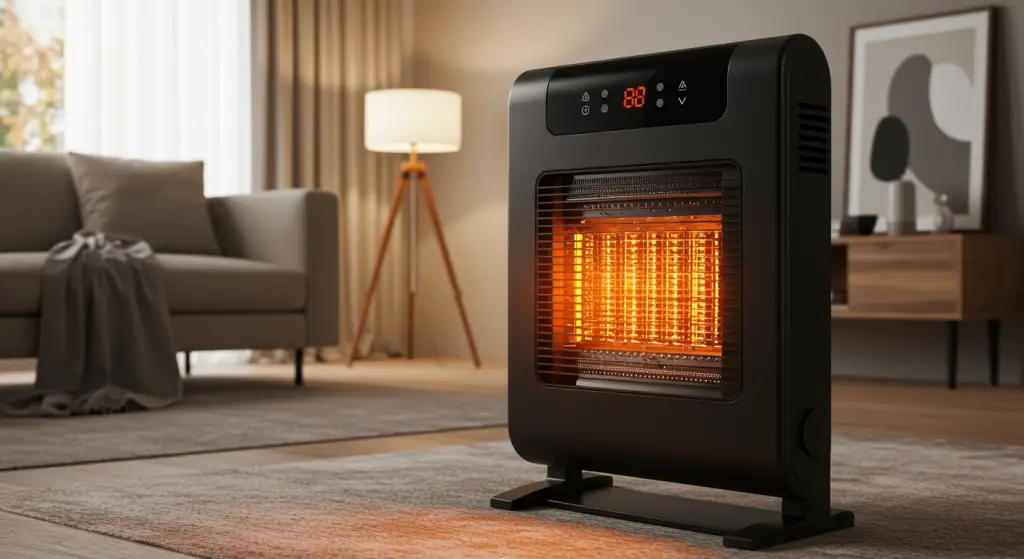
An electric heater: do you know how much it costs per hour? The unexpected figure.
Electric heaters are a popular choice for quickly warming up a room, particularly during the colder months. They are convenient, easy to install, and often portable, making them ideal for small spaces such as bathrooms, bedrooms, or home offices. However, their impact on your electricity bill is often overlooked, and choosing the wrong model can lead to unexpectedly high costs. Understanding how much energy an electric heater consumes and considering alternative options is essential to balance comfort and efficiency.
How Electric Heaters Work
Electric heaters operate by converting electrical energy into heat. There are several types of heaters, each with its own method of heat distribution:
-
Convection Heaters: These include traditional portable electric heaters with a heating element. They warm the air directly, which then circulates throughout the room.
-
Radiant or Infrared Heaters: These heaters warm objects and people directly rather than the surrounding air. They are often more energy-efficient in smaller spaces and for short-term use.
-
Oil-Filled Radiators: These units heat oil inside the radiator, which then radiates heat over time. They are ideal for larger spaces and provide long-lasting warmth with relatively low energy consumption.
Modern electric heaters often include thermostats, timers, and energy-saving modes to reduce unnecessary electricity use. Some high-end models even simulate the look of a flame with LED lights for an aesthetic touch while providing heat.
Calculating the Cost of Using an Electric Heater
The cost of operating an electric heater depends primarily on its power rating (measured in watts) and the duration of use. Electric heaters can range from 300 watts for small units to 2,500 watts for high-power models.
To estimate the cost, you can follow this simple calculation:
-
Determine the energy consumption: Multiply the heater’s power (in kilowatts) by the number of hours you use it. For example, a 1,000-watt heater used for 4 hours consumes 4 kWh (1 kW × 4 hours = 4 kWh).
-
Calculate the cost: Multiply the kWh consumed by your electricity rate. If your electricity rate is €0.25 per kWh, the 4 kWh consumption would cost €1.00.
As a general rule, higher wattage heaters provide faster and stronger heat but consume more electricity, making them more expensive to run for long periods.
Choosing the Right Heater for Your Space
When selecting an electric heater, the size of the room and the intended duration of use are key factors:
-
Small spaces (up to 10-15 m²): A 1,000–1,500 W portable heater with a thermostat is usually sufficient. These units are ideal for short-term heating, such as in a bathroom or small bedroom.
-
Medium spaces (15–25 m²): Oil-filled radiators or convection heaters are recommended. They provide long-lasting warmth and are more energy-efficient for extended use.
-
Larger spaces: For rooms larger than 25 m², multiple heaters or more advanced systems may be necessary. However, continuous use of high-power electric heaters in large spaces can significantly increase electricity costs.
Portable heaters are convenient but generally more suitable for short-term heating. Oil-filled radiators, while bulkier and slightly more expensive upfront (ranging from €50–€60 on average), are better for prolonged use, maintaining a comfortable temperature without excessively increasing the electricity bill.
Factors That Affect Heating Costs
Several variables influence how much your heater costs to run:
-
Room size: The larger the space, the more energy required to heat it.
-
Insulation: Poorly insulated rooms lose heat quickly, forcing heaters to work harder and longer.
-
Thermostat use: Heaters with thermostats can automatically turn off once the desired temperature is reached, reducing wasted energy.
-
Duration of use: Prolonged operation dramatically increases electricity consumption. Using a timer can prevent unnecessary heating.
For instance, a high-quality wall-mounted heater rated at 1,800 W can cost around €0.40 per hour to operate, depending on your electricity tariff. While this may seem reasonable, using the heater for several hours daily throughout winter can accumulate into a substantial expense.
Comparing Heater Types
Portable Electric Heaters
-
Pros: Lightweight, easy to move, instant heat.
-
Cons: Higher electricity cost for extended use, limited coverage for large rooms.
Oil-Filled Radiators
-
Pros: Efficient for larger spaces, long-lasting warmth, more energy-efficient for prolonged use.
-
Cons: Bulky, slower to heat up, higher upfront cost.
Infrared Heaters
-
Pros: Direct heat, efficient for personal or targeted heating, energy-saving in small spaces.
-
Cons: Limited area coverage, less effective for heating entire rooms.
Tips to Reduce Electric Heating Costs
-
Use a thermostat: Prevent overheating and reduce unnecessary energy use.
-
Insulate rooms: Keep heat in by sealing windows and doors.
-
Close doors: Focus heating only where it is needed.
-
Supplement with alternative methods: Use blankets, rugs, and curtains to retain warmth and reduce reliance on electric heaters.
-
Combine heater types: Use infrared heaters for quick warmth in small areas, and oil-filled radiators for consistent heating in larger rooms.
Conclusion
Electric heaters are an excellent solution for quick, convenient heat, but understanding their energy consumption is crucial to avoid high bills. By evaluating room size, heater type, and usage patterns, you can choose a model that meets your heating needs efficiently.
For smaller spaces or short-term use, a portable heater may be sufficient. For larger rooms or longer heating periods, oil-filled radiators provide sustained warmth while consuming less electricity over time.
Using modern features such as thermostats, timers, and energy-saving modes can also help control costs. Ultimately, the key is balancing comfort, energy efficiency, and cost-effectiveness, ensuring your home remains warm without breaking the bank.
With thoughtful planning, electric heating can remain a convenient and practical solution, offering both comfort and controlled energy expenditure throughout the colder months.