Bad smell from laundry on the radiator: here’s how to fix it
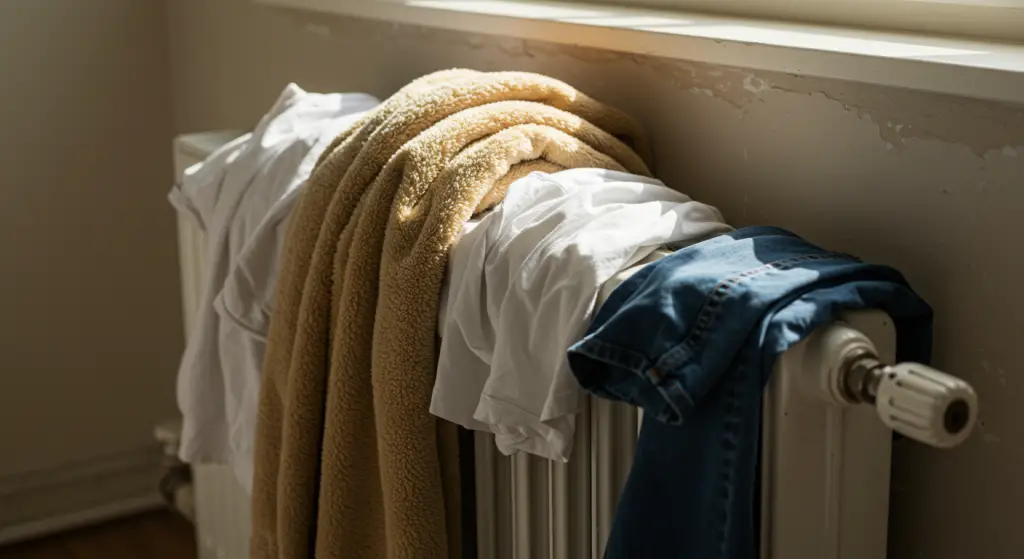
As autumn sets in and winter looms just around the corner, drying laundry becomes one of the most frustrating household challenges. With low temperatures and high humidity, clothes seem to take forever to dry. Many people promise themselves to buy a dryer each year, only to postpone the purchase because of rising costs and other priorities. As a quick fix, we often resort to placing damp clothes on radiators to speed up the drying process.
It seems like a practical and harmless solution — the warm air helps evaporate the moisture trapped in the fabric, giving us dry clothes faster. However, this habit often comes with an unpleasant side effect: clothes that smell musty, sour, or downright foul once dry. If this has ever happened to you, you’re not alone. Let’s explore why this happens and what you can do to prevent it for good.
Why Clothes Smell Bad on the Radiator
When we wash our clothes, we carefully choose detergents and fabric softeners that promise a pleasant, long-lasting scent. Yet, as soon as we place those freshly washed clothes on a warm radiator, the good smell fades and a sour, damp odor replaces it. The reason lies in a combination of factors — from washing machine maintenance to how we position the clothes on the heater.
Three main culprits usually cause this issue:
-
Residue buildup in the washing machine
-
Moisture and bacteria trapped in the fabric
-
Dirty or dusty radiators
Each of these factors contributes to the unpleasant smell, and solving the problem means tackling all of them at once.
Start with a Clean Washing Machine
If your washing machine isn’t clean, your clothes will never be truly fresh — no matter how much detergent or softener you use. Residue from detergents, limescale, and bacteria can build up in the drum and pipes, leaving behind a foul odor that clings to your laundry.
To fix this, perform a maintenance wash once a month. Run an empty hot cycle and pour in one liter of white vinegar or a few tablespoons of citric acid. Both natural ingredients are excellent disinfectants and deodorants. Vinegar, in particular, neutralizes bad odors, kills bacteria, and helps dissolve mineral buildup. After a single cleaning cycle, you’ll notice that your washing machine smells fresh — and so will your clothes.
Also, avoid using too much detergent or softener. Overdosing these products doesn’t make clothes cleaner; it makes it harder for the machine to rinse them properly. Detergent residue trapped in fabric fibers breaks down when heated, which can cause that characteristic “wet dog” smell when you dry clothes on the radiator.
Finally, don’t overload your washing machine. If the drum is too full, water and soap can’t circulate properly, meaning your clothes won’t be rinsed thoroughly.
Don’t Skip the Spin Cycle
In an effort to save time or reduce wrinkles, many people use shorter spin cycles or lower spin speeds. But clothes that come out of the washer too wet take longer to dry — and the longer they stay damp, the more likely they are to develop a musty smell.
Moisture creates a perfect environment for bacteria and mold to thrive. Once you place those wet fabrics on a hot radiator, the heat intensifies the smell. To avoid this, always ensure your washing machine’s spin cycle is strong enough to remove most of the excess water.
If possible, let your clothes air out briefly before placing them near heat sources. Even a short period on a drying rack or in a ventilated area can help prevent odor buildup.
Keep Your Radiators Clean
Sometimes, the problem isn’t the laundry — it’s the radiator itself. Radiators collect dust, grease, and dirt over time, especially during the months when they’re inactive. When you turn them on, that grime heats up and releases a burnt or musty smell that easily transfers to nearby fabrics.
To prevent this, clean your radiators thoroughly before winter starts and once a week throughout the season. You can make an excellent cleaning solution by mixing equal parts white vinegar and water in a spray bottle. Wipe down the surface with a soft cloth, making sure to reach corners and crevices where dust tends to settle.
The vinegar not only removes dirt but also neutralizes odors, keeping both your home and your clothes smelling fresh.
The Right Way to Dry Clothes Indoors
Even if your radiator is spotless and your laundry perfectly washed, placing wet clothes directly on the heater is never a good idea. The intense heat traps moisture in the fabric and prevents air from circulating, which leads to a musty smell.
A better alternative is to use a drying rack near the radiator, not directly on it. The gentle warmth from the nearby heat source speeds up drying without overheating the fabric. This method also reduces the risk of humidity buildup in the room, which can otherwise lead to condensation and mold.
Whenever you dry clothes indoors, remember to open a window periodically to let out excess moisture and bring in fresh air. Proper ventilation is key to preventing both bad smells and mold growth in your home.
A Simple Summary of Solutions
To make sure your clothes come out fresh and pleasant-smelling every time:
-
Clean your washing machine monthly with vinegar or citric acid.
-
Use the right amount of detergent — not too much.
-
Spin thoroughly so clothes aren’t dripping wet.
-
Clean your radiators regularly to remove dust and odor buildup.
-
Dry clothes near, not on, the radiator for proper air circulation.
-
Ventilate the room while drying clothes indoors.
By following these simple yet effective habits, you’ll not only get rid of that unpleasant radiator smell but also prolong the freshness and lifespan of your clothes. No need for expensive products or new appliances — just a bit of maintenance, smart drying, and the power of natural cleaning ingredients like vinegar.
Fresh-smelling laundry all winter long is absolutely possible — even without a dryer.