Butterflies in the pantry, with 3 leaves they flutter immediately: you won’t have to throw anything away
It’s a common and frustrating sight — you open your pantry only to find small moths fluttering around your dry goods. These tiny insects, often called “pantry moths” or “flour moths,” are harmless to humans but can wreak havoc on your food supplies. Once they make their way into your kitchen, they can quickly infest bags of pasta, rice, flour, and cereals, forcing you to throw everything away. But before you panic, there are natural and effective ways to get rid of pantry moths and prevent them from coming back — one of the best being the use of bay leaves.
Here’s how to clean your pantry properly, protect your food, and use bay leaves to keep those pesky moths away for good.
Why Pantry Moths Invade Your Kitchen
Pantry moths are drawn to food sources that are rich in starch and easy to access — such as grains, flour, cereal, rice, pasta, and even dry pet food. Often, these pests don’t appear out of nowhere. They can arrive in your home through contaminated products purchased from the store. Once inside, they multiply quickly. Female moths lay their eggs directly in or near food packages, and within days, tiny larvae hatch and begin feeding.
These larvae spin fine webs and leave behind powdery residue that contaminates your food. By the time you notice the adult moths flying around, the infestation has usually spread to multiple shelves and containers. If not addressed promptly, the problem can escalate, forcing you to discard large portions of your pantry’s contents.
Step 1: Empty and Inspect Your Pantry Thoroughly
Before doing anything else, empty your pantry completely. Remove every box, jar, and bag, even those that appear untouched. Inspect all dry goods for signs of infestation — tiny holes in packaging, webbing, larvae, or small brown moths. Pay particular attention to flour, cereal, rice, pasta, and nuts, as these are pantry moths’ favorite breeding grounds.
Don’t forget to check the corners and seams of cardboard boxes, especially those used for tea, spices, or herbal infusions. Pantry moths love dark, undisturbed spaces, and cardboard provides the perfect hiding spot for their eggs.
Anything that shows signs of contamination should be thrown away immediately. Double-bag the infested items and take them outside to prevent reinfestation.
Step 2: Clean and Disinfect with Natural Products
Once the pantry is empty, it’s time for a deep clean. Because you’re dealing with a food storage area, it’s best to avoid harsh chemicals and opt for natural cleaning agents instead. White vinegar and hot water make an excellent natural disinfectant that eliminates bacteria, odors, and eggs that might be clinging to surfaces.
Mix equal parts vinegar and warm water in a spray bottle. Wipe down every surface — shelves, corners, doors, and even the ceiling of your pantry. Use a small brush or cotton swab to reach into tight spaces. Once cleaned, leave the pantry doors open to let everything dry completely. Proper ventilation will also help eliminate any strong vinegar odors and prevent moisture buildup, which can attract other insects.
Step 3: Use Natural Repellents
After cleaning, the next step is to prevent the moths from returning. There are several natural substances that can repel pantry pests effectively without posing risks to your food or health.
Citrus peels, such as orange and lemon, are excellent for keeping insects away. The natural oils in citrus fruits emit a strong scent that moths dislike. Simply place a few fresh peels on each shelf, replacing them every few days as they dry out.
However, among all natural repellents, the most powerful and reliable is the humble bay leaf.
Step 4: Why Bay Leaves Are So Effective
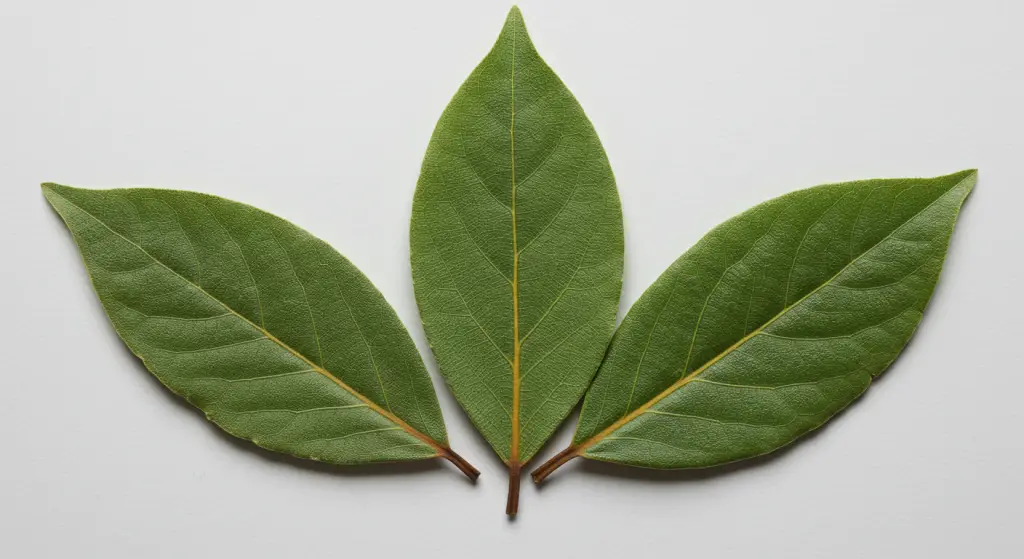
Bay leaves, the aromatic evergreen leaves often used in soups, stews, and roasts, have been valued for centuries not only for their flavor but also for their medicinal and protective properties. In ancient times, bay leaves were considered sacred — symbols of wisdom and victory. Today, beyond the kitchen, they’re recognized for their digestive and anti-inflammatory benefits. Yet, one of their lesser-known powers is their ability to repel insects.
Bay leaves emit a strong, distinctive aroma due to their essential oils, particularly eucalyptol, which insects find intolerable. The scent overwhelms the sensitive olfactory receptors of moths and other pantry pests, discouraging them from nesting or laying eggs near your stored food.
Step 5: How to Use Bay Leaves in the Pantry
To make use of this natural deterrent, simply place a few fresh bay leaves on each pantry shelf and inside food storage containers. You can also tuck one or two leaves inside flour, rice, or pasta jars — don’t worry, bay leaves are safe and won’t alter the taste of your dry foods.
For the best results:
- Use fresh bay leaves, as their scent is stronger and more effective.
- Replace the leaves every few weeks, or whenever their fragrance fades.
- If you store food in airtight containers, tape a bay leaf to the inside of the lid. This ensures that any insect attempting to enter will be repelled by the aroma.
You can even place bay leaves in drawers, under sink areas, or behind appliances to keep other household pests — like ants and cockroaches — at bay.
Step 6: Store Food Properly to Prevent Reinfestation
Even the strongest natural repellents won’t help if food is left open or improperly sealed. Always transfer dry goods like flour, pasta, and rice into airtight glass or plastic containers. This not only blocks insects but also helps you spot any signs of infestation early.
When bringing groceries home, check packages for small holes or tears before storing them. If you buy in bulk, consider freezing the grains for 48 hours before putting them into your pantry — this kills any potential eggs or larvae that may already be present.
Step 7: Maintain a Clean Pantry Routine
A clean and organized pantry is the best defense against future infestations. Once a month, remove all items, wipe the shelves with a vinegar solution, and replace the bay leaves. This routine takes only a few minutes and can save you the trouble of discovering unwanted guests later.
Final Thoughts
Pantry moths are a common household nuisance, but they don’t have to lead to wasted food and frustration. By combining proper hygiene with natural deterrents like bay leaves, you can eliminate these insects safely and keep them from coming back. The next time you spot one of these tiny intruders, don’t reach for chemical sprays — reach for nature’s own solution instead.
With a handful of fresh bay leaves and a bit of pantry care, your food will stay safe, your kitchen will smell pleasantly aromatic, and your storage space will remain completely moth-free.