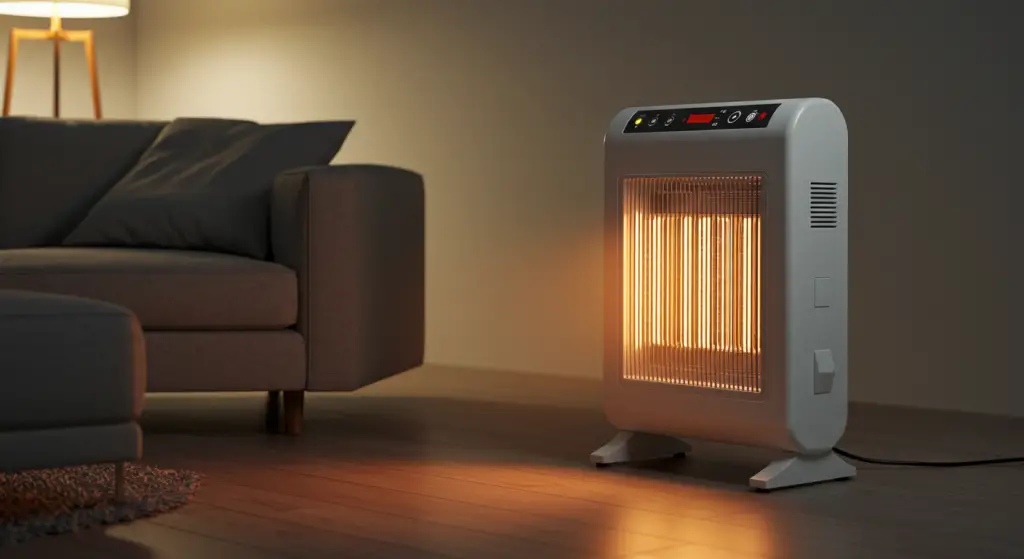
Electric heaters: these models can save you a lot of money.
As temperatures begin to drop, electric heaters become a staple in many homes. Compact, practical, and easy to use, they are often the go-to solution for heating small spaces quickly — like the bathroom before a shower or rooms where the main heating system doesn’t reach effectively. However, with rising energy prices, choosing the right type of electric heater has never been more important. The key lies in understanding how they work, how much energy they consume, and which models offer the best efficiency for your money.
Why Electric Heaters Are So Popular
Electric heaters are among the most common small appliances found in Italian homes — and for good reason. They are affordable, portable, and provide instant heat wherever it’s needed. For those who live in buildings with central heating systems, which are often limited to fixed operating hours, electric heaters provide valuable flexibility. You can turn them on whenever you feel cold, even outside the radiator schedule.
Yet, while these small devices may look harmless, their energy consumption can be surprisingly high. That’s why it’s crucial to understand the differences between models and learn how to use them efficiently.
Understanding the Energy Consumption of Electric Heaters
Despite their small size, electric heaters can use a significant amount of electricity. Many homeowners underestimate their impact on monthly energy bills simply because of their convenience. But even a seemingly modest heater can draw anywhere between 1,500 to 3,000 watts (1.5–3 kW) per hour of use.
To put that into perspective:
-
A heater rated at 2,000 watts consumes 2 kilowatt-hours (kWh) for every hour it’s turned on.
-
At an average electricity rate of €0.52 per kWh, running it for one hour per day would cost about €1.04 per day — or around €30 per month.
That may not sound like much, but when combined with other household appliances and multiple heaters, the total can add up quickly.
To avoid unpleasant surprises on your next bill, it’s always worth checking the energy label on any electric appliance before buying it. The label gives you an idea of its efficiency and estimated energy consumption, helping you choose a model that balances performance with cost.
The Role of Technology in Saving Energy
Modern electric heaters have evolved significantly over the years. Among the most efficient options today are convector heaters, which use convection currents to distribute warm air evenly throughout a room.
Compared to traditional fan heaters, convectors are quieter, more aesthetically pleasing, and often equipped with smart thermostats that allow users to set and maintain a specific temperature. This helps reduce unnecessary energy use, since the heater automatically shuts off when the desired warmth is reached.
A convector heater with an output of 1,500 to 2,000 watts can heat a small to medium-sized room quickly and efficiently. While the upfront cost may be slightly higher, the energy savings over time make it a worthwhile investment.
Oil-Filled Radiators: A Cost-Effective Choice
If you’re looking for an electric heater that offers consistent warmth and better energy efficiency, oil-filled radiators are one of the best options available. Unlike fan or convector heaters that heat air directly, these radiators warm up the oil inside their sealed fins. Once heated, the oil retains and radiates heat for long periods — even after the unit has been turned off.
This means that oil-filled radiators often consume up to 50% less energy than standard electric heaters while providing a more comfortable and stable heat output. They’re ideal for bedrooms, living rooms, and any space where you want gentle, long-lasting warmth without constant energy draw.
Most major appliance brands now produce high-quality oil radiators, making them easy to find in home appliance stores and online.
The Future of Heating: Infrared Technology
For those seeking both innovation and maximum efficiency, infrared heaters represent the next generation of home heating technology. Unlike conventional heaters that warm the air in a room, infrared models directly heat people and objects.
Here’s how it works: infrared waves emit radiant energy that’s absorbed by the skin, furniture, and walls. This not only provides a more immediate sensation of warmth but also avoids the energy loss associated with heating the air first.
Because infrared heaters don’t rely on air circulation, they have several unique benefits:
-
No air movement, which means no dust circulation — ideal for allergy sufferers.
-
No drying effect on the air, maintaining better humidity levels indoors.
-
Instant heat, as they begin warming up as soon as they’re switched on.
Infrared heating is especially effective for open or poorly insulated spaces where traditional heaters struggle. While the initial purchase price may be higher, the long-term energy savings can be significant.
Smart Tips for Reducing Heating Costs
Even the most efficient electric heater can become costly if used carelessly. To keep your energy bills under control, consider these practical tips:
-
Use heaters only when necessary — don’t leave them on while you’re sleeping or out of the room.
-
Close doors and windows to prevent heat from escaping.
-
Place heaters strategically — for example, near your seating area rather than trying to warm the entire room.
-
Combine with other methods, such as using thermal curtains or insulating mats to keep warmth indoors.
-
Opt for programmable timers or smart plugs to automate heating schedules and avoid unnecessary energy waste.
Choosing Warmth and Efficiency
Electric heaters are undoubtedly convenient and effective, especially during the colder months. However, understanding how they work and choosing the right model can make a huge difference in your electricity costs.
If you’re looking for the best balance between comfort and energy efficiency, oil-filled radiators and infrared heaters stand out as the most cost-effective choices. By pairing these modern technologies with mindful usage habits, you can stay warm all winter long — without dreading your next energy bill.