Grandma’s yellowed trousseau, make it immaculately white again with this method
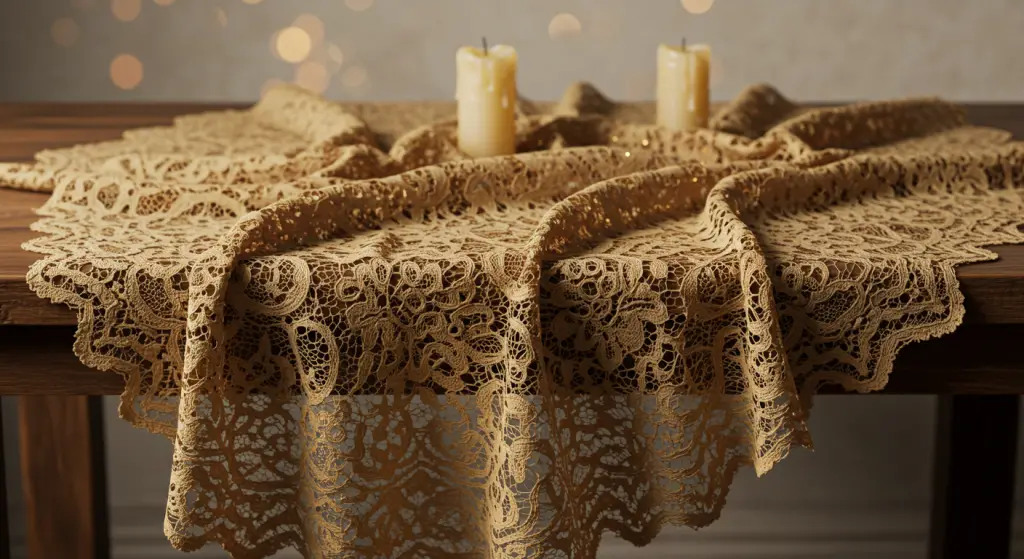
Among the most treasured family heirlooms passed down from our grandmothers are their linens—the beautifully embroidered sheets, pillowcases, and tablecloths that once filled bridal trousseaus and hope chests. These pieces hold immense sentimental value, representing patience, craftsmanship, and love. Unfortunately, time can leave its mark on even the most carefully stored fabrics. After years in storage, these once-white linens often turn yellow or dull.
The good news? You don’t need harsh chemical whiteners to bring them back to life. A simple, natural remedy—straight from the wisdom of our grandmothers themselves—can restore their original brilliance and make them look as good as new.
The timeless value of the trousseau
For generations, creating a trousseau (known in Italy as “il corredo”) was a rite of passage for young women. It was a symbol of preparation, pride, and love—an expression of the care a grandmother or mother put into equipping her daughter or granddaughter for her future home.
Women would spend months, sometimes years, embroidering or crocheting linens by hand, using fine cotton or silk threads to personalize each item with initials, lace details, or delicate patterns. These linens were then carefully folded and stored in large cedar chests or trunks, waiting for special occasions or to be passed on as family heirlooms.
But time, dust, and lack of air circulation can cause fabrics—even those that were once snow-white—to develop a yellowish tint. This discoloration happens naturally as fibers oxidize and oils from storage materials or old detergents interact with the fabric.
Luckily, the same traditional wisdom that created these heirlooms also offers the best ways to restore them.
The grandmother’s secret weapon: baking soda
Our grandmothers had a remedy for everything—stains, odors, or stubborn grime—and they did it all without modern chemical detergents. One of their most powerful and versatile ingredients was baking soda (sodium bicarbonate).
Found in nearly every household, baking soda remains one of the most effective, safe, and eco-friendly cleaning agents you can use. It’s inexpensive, gentle on fabrics, and suitable for both laundry and general cleaning. Its mild alkaline nature helps neutralize acids, lift stains, and restore brightness without damaging delicate fibers.
In fact, baking soda is something of a miracle product. Beyond its cleaning uses, it’s known for its countless applications—from soothing heartburn and inflammation to deodorizing, whitening teeth, and even calming minor skin irritations. In the kitchen, it’s used for baking, washing fruits and vegetables, and neutralizing odors in the fridge. And when it comes to household cleaning, it’s simply indispensable.
Why baking soda works on yellowed linens
Over time, natural fabrics like cotton and linen tend to accumulate acidic residues from detergents, sweat, and environmental exposure. These residues cause the fibers to yellow. Baking soda works by balancing the pH and gently lifting away these trapped particles. It also helps loosen dirt embedded in the weave and neutralizes odors that may have developed during years of storage.
The result is fabric that looks fresher, cleaner, and lighter—without the risk of damage that comes with bleach or harsh whitening agents.
How to whiten vintage linens in the washing machine
If the fabric of your grandmother’s linens is sturdy enough to handle a washing machine, this is the easiest method.
- Prepare the load: Place the linens in the washing machine, making sure not to overload it so that water and detergent can circulate freely.
- Add baking soda: Sprinkle two tablespoons of baking soda directly into the drum, not the detergent drawer.
- Add detergent: Use your regular gentle detergent, preferably one designed for delicate or white fabrics.
- Select the cycle: Choose a delicate or gentle wash cycle with lukewarm water—never hot, which can set stains or weaken older fibers.
- Dry naturally: After washing, hang the linens outdoors in the shade to dry. Sunlight can help brighten white fabrics naturally, but avoid direct midday sun, which may cause yellowing to return.
This simple addition of baking soda to your laundry routine enhances the detergent’s cleaning power and gradually restores the fabric’s original whiteness.
For delicate or hand-embroidered linens
If your heirloom pieces are too delicate or you’re worried about damaging fine embroidery, you can use a hand-washing method that’s equally effective.
- Prepare the paste: In a bowl, mix two tablespoons of baking soda with a small amount of water until you form a creamy paste.
- Apply to stains: Spread the paste gently over the yellowed or stained areas of the fabric.
- Let it sit: Allow the mixture to rest for about 15 minutes. This gives the baking soda time to penetrate and lift the discoloration.
- Rinse and wash: Afterward, rinse the fabric gently with lukewarm water. For best results, you can follow up with a full wash—either by hand or in the washing machine on a delicate cycle.
If the yellowing is particularly stubborn, repeat the process or let the linens soak for a few hours in a basin filled with warm water and two or three tablespoons of baking soda. You’ll be surprised by how much brighter they look after just one treatment.
Tips for maintaining whitened heirloom linens
Once you’ve restored your grandmother’s linens, you’ll want to keep them looking pristine for years to come. Here are a few tips for proper care and storage:
- Avoid plastic containers: Store the linens in breathable cotton or linen bags instead of airtight plastic boxes, which trap moisture and cause yellowing.
- Use acid-free tissue paper: When folding delicate items, layer them with acid-free paper to prevent creases and protect embroidery.
- Keep away from light and heat: Direct sunlight or high humidity can damage fibers and cause discoloration over time.
- Refresh occasionally: Every few months, air the linens out or give them a gentle rinse with baking soda to keep them fresh.
A timeless tradition preserved
Restoring your grandmother’s corredo isn’t just about cleaning—it’s an act of love and respect for family history. Each stitch, each piece of lace carries the memory of someone’s hands and heart.
With a bit of patience and a few simple ingredients, you can bring these precious heirlooms back to life, preserving their beauty for the next generation—just as your grandmother once did.