High bills, these appliances consume when switched off and plugged into the socket
Electricity bills have reached record-breaking levels in recent months, and for many households, the numbers at the bottom of those statements are shocking. Across Italy — and indeed much of Europe — families are struggling to cope with rising energy prices that have climbed by over 60% compared to just a few months ago. Inflation hovering around 10% has worsened the situation, leaving many citizens searching for ways to reduce expenses and keep monthly costs under control.
But here’s a surprising fact that many people still overlook: your household appliances continue to consume electricity even when they’re not in use. That’s right — even when “off,” they might still be quietly draining energy from your sockets and adding unnecessary costs to your monthly bill.
The Hidden Cost of Standby Power
The primary culprit behind this invisible energy waste is what experts call “phantom load” or “standby consumption.” When you turn off your TV with the remote control or leave your coffee maker plugged in after use, the appliance may appear to be off — but it’s actually still using a small amount of power.
Modern electronics are designed to remain semi-active even in standby mode. That’s because they often maintain background functions: keeping time, staying connected to Wi-Fi, or waiting for a remote command to turn back on instantly. This convenience comes with a cost — one that becomes evident only when your utility bill arrives.
According to energy studies, devices left plugged in but “off” can account for up to 10% of a household’s total electricity consumption. That might sound small, but over the course of a year, it can translate to hundreds of euros wasted — money you could easily save by changing a few habits.
Why Energy Bills Have Skyrocketed
Energy prices have been climbing steadily since the start of autumn. With colder weather approaching, the demand for heating increases, and so does electricity usage as daylight hours shrink. More lights, heaters, and appliances are used throughout the day, pushing energy consumption — and costs — even higher.
The average Italian family is now projected to spend around €5,200 per year on gas and electricity combined. This staggering figure is not just the result of global market changes but also of how energy is consumed at home.
While it’s impossible to control global energy prices, you can control how much power your appliances draw — both when they’re operating and when they’re sitting idle.
Appliances That Consume the Most Power in Standby
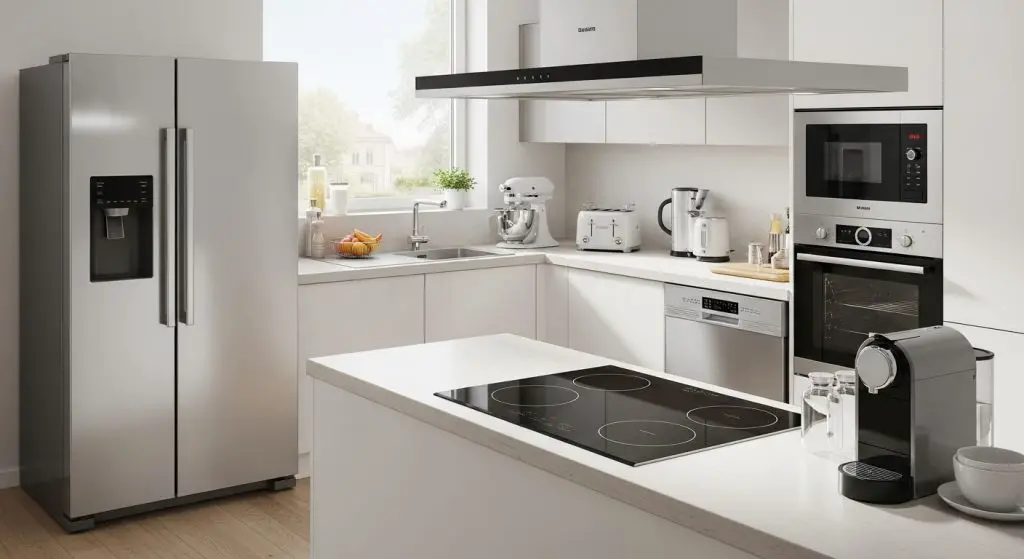
Not all appliances are equal when it comes to phantom energy use. Some are far more demanding than others. Here are a few of the worst offenders in most homes:
-
Televisions – Modern smart TVs are designed to connect to the internet, update apps, and remain ready to switch on instantly. This convenience means they continue to consume energy even when “off.”
-
Wi-Fi routers and modems – These are among the biggest continuous consumers because they’re usually left on 24/7.
-
Microwaves and ovens – The small digital clock or LED screen on these appliances constantly draws power.
-
Computers, monitors, and printers – Even in sleep mode, they continue to use a surprising amount of electricity.
-
Chargers and adapters – Whether for phones, tablets, or laptops, chargers draw power whenever plugged in, even if the device isn’t connected.
-
Game consoles – When left in standby mode for quick startup, gaming systems can consume up to 15 watts per hour.
Old vs. New: Why Energy Class Matters
If your home is filled with older appliances, you’re likely paying more for electricity than necessary. Older models, especially those with lower energy efficiency ratings, were not designed with standby consumption in mind. Their internal systems often lack modern power-saving technologies.
In contrast, new-generation appliances labeled with higher energy classes (A+++, A++, etc.) are built to minimize electricity usage both in operation and standby mode. While they may require a larger upfront investment, the long-term savings on your energy bills can quickly offset that cost.
Upgrading your home appliances, therefore, isn’t just a matter of convenience — it’s a smart financial move. Over time, the energy savings will repay your investment and help stabilize your household budget.
How to Stop Paying for Energy You Don’t Use
Fortunately, reducing phantom energy waste doesn’t require major changes or expensive equipment. With just a few simple adjustments, you can start saving immediately.
Here’s what to do:
-
Unplug devices when not in use. The easiest and most effective solution is to completely disconnect appliances from the power socket.
-
Use power strips with switches. Plug multiple electronics into a single surge protector so you can turn them all off with one click.
-
Enable energy-saving settings. Many modern TVs, computers, and gaming consoles have built-in power-saving or eco modes — activate them.
-
Unplug chargers once devices are charged. Leaving chargers connected unnecessarily wastes energy and shortens their lifespan.
-
Turn off lights and electronics before bed. Even small lights on standby devices add up over time.
The Real Key to Lower Bills
Awareness is the first step toward real savings. Most people don’t realize how much energy is being wasted simply because devices are left plugged in. Every small action — unplugging a TV, switching off a router at night, using a power strip — can lead to measurable reductions in your monthly expenses.
Combined with other energy-saving habits, such as using LED bulbs, setting thermostats efficiently, and limiting the use of high-consumption appliances like dryers and dishwashers during peak hours, these small efforts can significantly cut your bills.
In Conclusion
Rising energy prices are a challenge for everyone, but there are steps we can all take to reduce our household costs. Start by paying attention to your everyday habits and understanding how your appliances behave — even when they seem inactive.
Unplugging devices, choosing high-efficiency models, and being mindful of standby power may seem like minor actions, but collectively, they can make a big difference. With just a bit of effort and awareness, your next electricity bill could finally bring some relief instead of a shock.