How to dry clothes in 10 minutes with the towel trick
With winter upon us, drying clothes can become a daunting task. Unlike the summer months, when warm sun and gentle breezes can dry laundry in just a few hours, cold, damp weather slows the process considerably. For many households, this makes keeping up with laundry a real challenge. However, there are practical methods and simple tricks that can significantly shorten drying times, even without a dryer.
The Winter Laundry Challenge
For families, especially those with children, laundry in winter can quickly become overwhelming. The average Italian household consists of about four people, which often means running the washing machine seven or eight times a week. Daily necessities—like changing bedsheets, towels, and children’s clothes—add to the workload.
During summer, the sun and warm air make drying easier. Hanging clothes outside or near a sunny window usually suffices. But winter introduces a host of obstacles: low temperatures, high humidity, and minimal sunlight slow evaporation, leaving clothes damp for hours or even overnight.
Owning a tumble dryer can solve the problem, but not everyone has the space or budget for one. Dryers also increase electricity bills, which can be significant during the cold months. The challenge, then, is finding ways to dry clothes quickly without spending a fortune or sacrificing space.
Start with a Good Spin Cycle
The first step to faster drying is optimizing the washing machine’s spin cycle. Using a higher number of revolutions per minute (RPM) removes as much water as possible from garments before they are even removed from the machine. The less water in the fabric, the faster it will dry.
After the spin cycle, it is important to shake out each item. This reduces wrinkles and ensures that garments are not bunched together, which can trap moisture and slow drying. Shaking clothes also helps them retain their shape and makes subsequent drying methods more effective.
Air Dry Whenever Possible
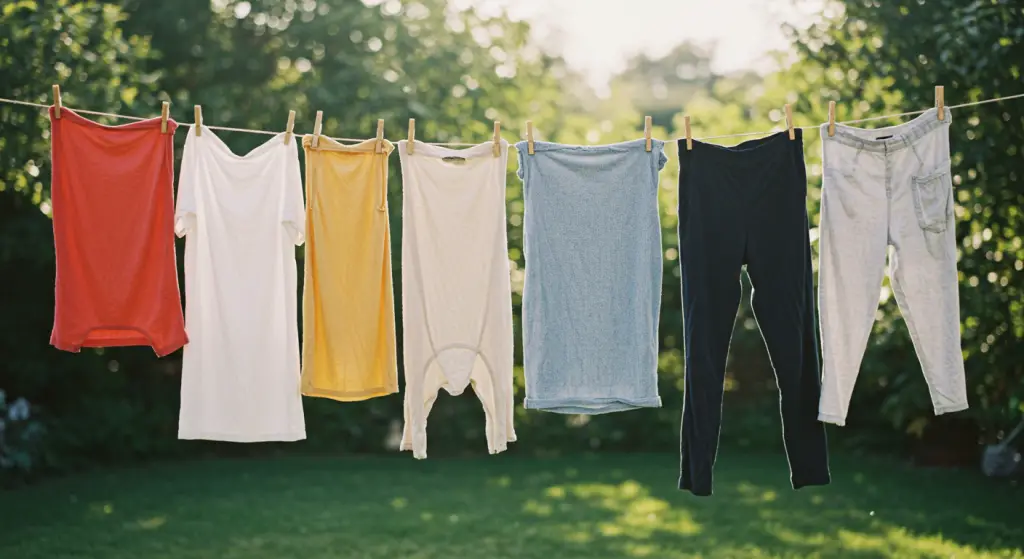
If the weather allows, air drying is the most energy-efficient method. Hang clothes outside or near a sunny window where there is good airflow. Even in winter, indirect sunlight and moving air can accelerate evaporation. Ideally, laundry should be spaced apart, giving each item room for air to circulate.
Indoors, use a well-ventilated space such as near an open window or a radiator. Avoid damp or closed areas, as stagnant air slows drying and may cause musty odors. Even in ideal indoor conditions, drying may take two to four hours—or longer for heavier fabrics.
The Towel Trick: Absorb Water Faster
One of the most effective ways to speed up drying is the towel method. By rolling wet garments in a dry towel, you can remove excess water quickly. Here’s how to do it:
-
Lay a dry towel flat on a table or counter.
-
Place the damp garment on top of the towel.
-
Roll the garment and towel together, pressing gently to absorb moisture.
-
Unroll and hang the garment to finish drying.
This technique works because the towel absorbs much of the water that would otherwise prolong drying. For added efficiency, you can layer tissue paper between the garment and towel, which increases absorption.
Using the Iron to Speed Drying
If you’re in a hurry, the towel method can be combined with a warm iron to accelerate drying. This is particularly useful for thicker garments or items that need to be ready quickly. Here’s the process:
-
Lay the damp garment flat on an ironing board.
-
Place a dry towel over the garment.
-
Gently iron over the towel, moving back and forth across the fabric.
The heat from the iron warms the towel, which absorbs moisture from the garment, helping it dry faster. Be careful not to iron directly on wet clothing, as this can damage delicate fabrics or cause shrinking.
Additional Tips for Faster Winter Drying
-
Use multiple towels: For very wet items, switch to a fresh dry towel partway through the rolling process to maximize water absorption.
-
Elevate the drying rack: Air circulation is key. Placing a drying rack near a fan or heater (without direct contact) can significantly reduce drying time.
-
Avoid overcrowding: Hanging too many clothes together traps moisture and slows evaporation. Space garments evenly for optimal airflow.
-
Prioritize fabrics: Lightweight fabrics like cotton and synthetics dry faster than heavy towels or jeans. If time is limited, dry essential items first.
Energy Efficiency and Cost Savings
These methods are not only practical but also economical. By using towels and irons, you can reduce reliance on electric dryers, saving energy and lowering electricity bills. Even small adjustments—like optimizing spin cycles and spacing garments—can make a noticeable difference.
Final Thoughts
Winter laundry doesn’t have to be a tedious chore. With a few smart strategies, you can dry clothes quickly and efficiently without investing in expensive appliances. Start with a strong spin cycle, shake garments out, and use the towel method to remove excess moisture. For urgent items, a dry towel and a warm iron can cut drying time dramatically.
By combining traditional air drying with these simple tricks, you can ensure that your laundry dries quickly, stays fresh, and remains in good condition—all while saving energy and time. Whether you’re dealing with children’s clothes, towels, or everyday garments, these tips make winter laundry manageable and stress-free.