How to easily peel chestnuts, no oven needed: ready in a flash
Just looking at them is enough to make your mouth water—chestnuts are one of autumn’s greatest pleasures. But once you’ve bought and cooked them just the way you like, there’s one problem that often remains: how to peel them easily. Anyone who has tried knows that removing both the hard outer shell and the thin inner skin can be tricky. Yet with the right method, you can get to the tender, sweet heart of this seasonal delicacy without struggle.
The Symbol of Autumn
Chestnuts are among the most recognizable fruits of autumn. They start appearing in markets and grocery stores around October and remain available until December. Their presence instantly evokes the season—warm sweaters, crisp air, and the scent of roasted chestnuts on city streets.
In Italy and many other countries, chestnuts are also linked with the feast of All Saints on October 31, when they are often enjoyed together with other typical fall foods such as sweet potatoes and pumpkins.
Beyond their nostalgic charm, chestnuts are highly nutritious. They’re technically considered a type of nut, yet they differ from most nuts because they’re low in fat and rich in complex carbohydrates. That’s why they’ve been called the “bread of the poor” for centuries: they once served as a staple food in mountain regions where cereal crops were hard to grow.
Nutritional Benefits
Chestnuts are packed with nutrients. They contain valuable minerals like potassium, magnesium, and iron, as well as vitamins B and C. Compared to other nuts, their fat content is very low, making them a healthy alternative for those who want something sweet and filling without overdoing calories.
Because their starch composition is closer to grains than to oily nuts, chestnuts are also used to make gluten-free flour. Chestnut flour is popular among those with celiac disease or gluten intolerance and is used in both sweet and savory recipes, from cakes and pancakes to pasta and bread.
Many Ways to Enjoy Chestnuts
There are countless ways to enjoy this delicious fruit. They can be eaten raw (though rarely, since they’re quite firm), boiled, roasted, or baked in the oven. They can also be candied to make marrons glacés, a famous French treat.
Chestnuts add flavor and texture to both traditional and modern recipes: in soups, stuffing, purees, desserts, or simply roasted and served in a paper cone on a cold evening. Their mild sweetness pairs beautifully with chocolate, cream, or even savory ingredients like mushrooms and meats.
Despite their versatility, there’s one challenge that often discourages people from buying them fresh—the peeling process. Removing the shell and inner skin can feel tedious, especially if you don’t know the right technique.
The Secret to Peeling Chestnuts Without Effort
The good news is that there are some simple tricks to make the task easy and quick. The key is to prepare the chestnuts properly before cooking.
1. Make an incision before boiling
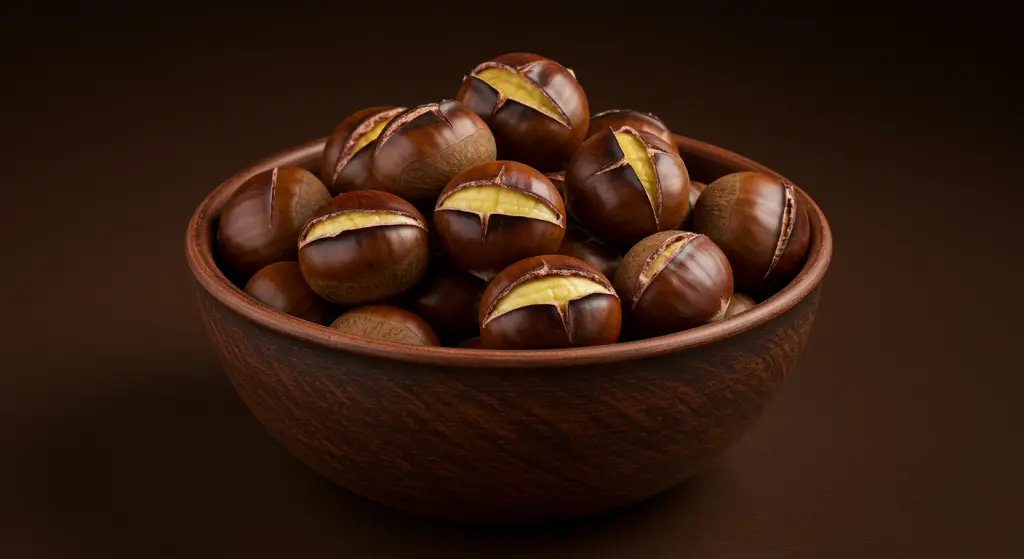
Start by making a small horizontal cut on the curved side of each chestnut with a sharp knife. This helps prevent them from bursting during cooking and makes peeling much easier later.
Next, fill a large, deep pot with water and bring it to a boil. Once the water is boiling, add the chestnuts and let them cook for no more than 2 to 3 minutes. You’ll notice the shells begin to darken and slightly open—this means they’ve absorbed enough water.
Drain them immediately and pat them dry with a clean kitchen towel. This brief boiling step softens both the outer shell and the inner skin, preparing them for easy removal.
2. Roast them properly
Transfer the pre-boiled chestnuts to a non-stick pan, ideally with the incision facing up. Roast them over medium-high heat with a lid on. Shake the pan occasionally to ensure even cooking and prevent burning.
Alternatively, you can roast them in the oven at 200°C (about 400°F) for 15–20 minutes, again with the cut side up. When the outer skin starts to lift and curl, they’re ready.
3. Peel while warm
This step makes all the difference. Once the chestnuts are cooked, remove them from the heat and start peeling them while they’re still hot. Use rubber kitchen gloves to protect your hands from the heat while maintaining enough grip to pull off the shells easily.
The combination of boiling and roasting ensures that both the hard outer shell and the thin inner membrane come off effortlessly, leaving the chestnut smooth and golden.
Extra Tips
-
Keep them moist: If you’re peeling a large batch, wrap the unpeeled roasted chestnuts in a damp cloth to keep them warm and soft while you work.
-
Avoid overcooking: Boiling them too long makes the chestnut pulp mushy and harder to peel. Two or three minutes is enough.
-
Use fresh chestnuts: Older or dried ones tend to have tougher skins and are more difficult to peel.
-
Freeze for later: Once peeled, chestnuts can be stored in the freezer and used later in soups, desserts, or savory dishes.
A Taste of Autumn in Every Bite
When you’ve peeled them perfectly, chestnuts reveal their true charm: tender, sweet, and aromatic. Whether you eat them warm straight from the pan or use them as an ingredient in your favorite recipes, they never disappoint.
They’re a reminder of the simple pleasures of autumn—a season of comfort, nostalgia, and the rich flavors of nature. With these easy methods, peeling chestnuts no longer has to be a frustrating chore. Instead, it becomes the first step in enjoying one of the most delicious gifts of fall.