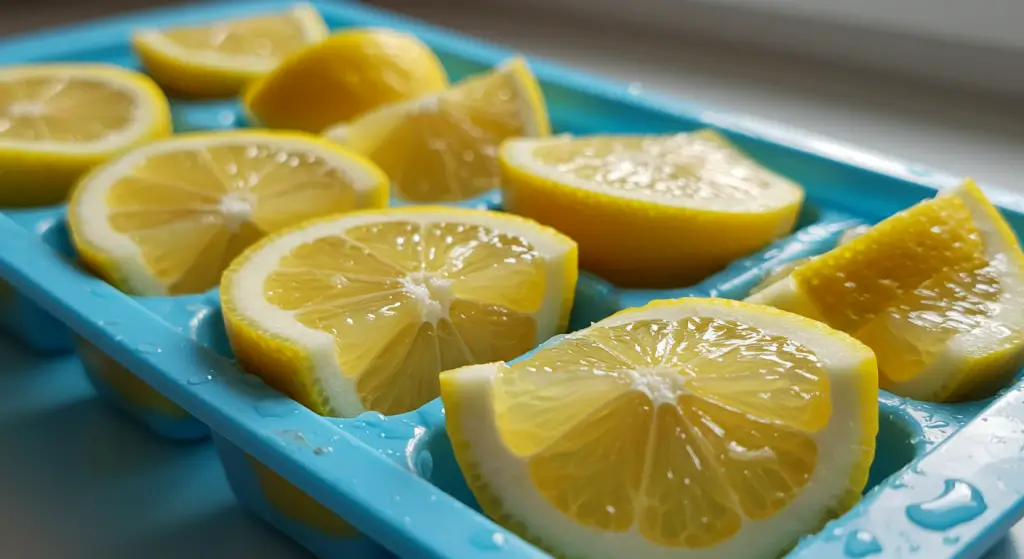
Lemons, why do they freeze them all after buying them: the surprising reason
Freezing lemons is an old-fashioned trick passed down through generations, a simple yet brilliant way to make the most out of one of nature’s most versatile fruits. Many people already do it without even realizing how practical and beneficial it can be. If you often find yourself throwing away overripe lemons, this method will change how you store and use them forever.
Why Lemons Should Be Frozen
How many times have you discovered lemons that have gone soft, moldy, or discolored at the bottom of your fridge or forgotten somewhere on the kitchen counter? It happens all too often because lemons, despite being hardy citrus fruits, tend to spoil quickly—especially when stored close together.
When one lemon starts to ripen too much, it can affect the others nearby, accelerating the spread of mold. That’s not just wasteful—it’s a real shame, considering lemons are packed with nutrients that do wonders for our health. They’re particularly rich in vitamin C, known for boosting the immune system, improving skin health, and supporting the body’s natural detox processes.
Freezing them is a smart way to preserve their freshness and nutritional value for much longer. You’ll always have a lemon ready to use, whether you need it for a drink, a dish, or a natural remedy. This simple hack is one of those timeless “grandmother’s tricks” that proves just how effective traditional wisdom can be.
How to Freeze Lemons the Right Way
While you can freeze whole lemons, it’s not the best option. Whole lemons take longer to thaw and can become mushy once defrosted. The ideal method is to cut them first.
You can slice them into rounds, wedges, or halves—depending on how you usually use them. For example, if you enjoy adding lemon wedges to drinks or need them for cocktails like tequila with salt, go for classic wedges.
Once cut, place the pieces in an airtight freezer bag. Remove as much air as possible before sealing to prevent freezer burn. Label the bag with the date, and then place it in the freezer. The next time you need a lemon, simply take out what you need.
To defrost, let the lemon pieces sit at room temperature for a few minutes or leave them on a sunny kitchen windowsill. If you’re in a hurry, you can also use your microwave’s defrost function—just for a few seconds—to soften them enough for use.
If you don’t plan to thaw them completely, you can even use frozen lemon pieces directly in your cooking or drinks. They’ll slowly release their flavor and nutrients as they melt.
The Benefits of Eating Frozen Lemons
Lemons are not typically eaten like other fruits because of their sharp, acidic flavor. Most people only use the juice, thinking that’s where all the nutrients are concentrated. While lemon juice is indeed rich in vitamin C and antioxidants, it’s actually the peel that contains the highest levels of beneficial compounds.
The rind—the part most people throw away—is where the real magic lies. Lemon peel contains 5 to 10 times more vitamins, minerals, and phytonutrients than the juice itself. It’s rich in limonoids and flavonoids, powerful antioxidants that help the body fight inflammation, neutralize free radicals, and may even reduce the risk of certain diseases.
When you freeze lemons, the texture and taste change slightly. The acidity becomes milder, making the fruit easier to eat and more pleasant to use in various recipes. You can grate frozen lemons whole—peel, pulp, and all—and sprinkle them over salads, fish, desserts, or drinks for a burst of fresh flavor and nutrients.
This method ensures you get all the health benefits the fruit has to offer—without waste.
How to Prepare Lemons Before Freezing
Before putting lemons in the freezer, it’s essential to wash them thoroughly. Since you’ll be using the peel, it’s best to clean off any dirt, wax, or pesticide residue.
Here’s a simple way to clean lemons naturally:
-
Fill a bowl with warm water and add a tablespoon of baking soda or white vinegar.
-
Soak the lemons for a few minutes.
-
Scrub them gently with a clean sponge or brush.
-
Rinse thoroughly and dry them before cutting and freezing.
Once frozen, the peel develops a slightly different texture that makes it more flavorful and easier to grate. Many people find that frozen lemon zest has an even stronger aroma than fresh peel, enhancing both sweet and savory dishes.
Smart Ways to Use Frozen Lemons
Frozen lemons can be used in countless ways in the kitchen:
-
Smoothies and juices: Add a frozen lemon wedge directly to your blender for a zesty, vitamin-rich kick.
-
Cooking and baking: Grate frozen lemon over fish, chicken, or pasta for an instant flavor boost. You can also use it in cakes, muffins, or tarts for a fresh citrus note.
-
Drinks and cocktails: Drop a frozen lemon slice into water, tea, or cocktails instead of ice cubes—it cools your drink while adding natural flavor.
-
Natural remedies: Lemon water made with grated frozen lemon peel supports digestion and strengthens immunity.
A Zero-Waste Kitchen Habit
Freezing lemons isn’t just about convenience—it’s also about reducing food waste. Too often, we throw away fruit simply because we didn’t use it in time. With this trick, nothing goes to waste: not the juice, not the peel, not even the zest.
It’s a small, eco-friendly habit that saves money and ensures you always have this powerful fruit at hand. Once you start freezing lemons, you’ll wonder why you didn’t do it sooner.
Final Thoughts
Freezing lemons is a simple yet ingenious way to preserve their flavor, freshness, and nutritional value. It’s an old kitchen secret that still makes perfect sense today, especially if you love cooking, baking, or using natural home remedies.
By cleaning them, cutting them into pieces, and freezing them properly, you’ll always have fresh, vitamin-packed lemons ready whenever you need them. The best part? You’ll get to enjoy all the health benefits hidden in the peel—without ever wasting a single slice.