Never Drain Canned Tuna Oil in the Sink: Here’s Why
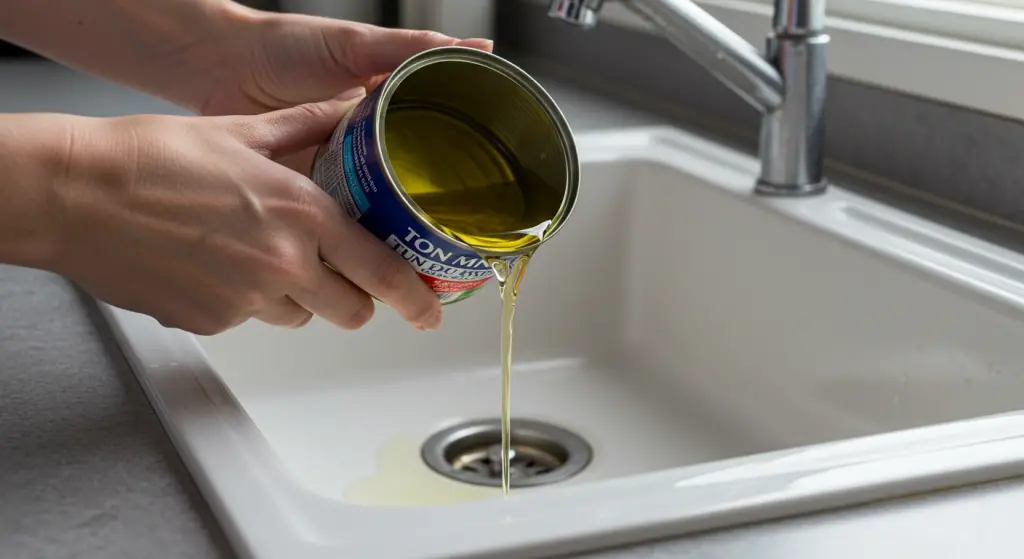
Canned tuna is one of the most common pantry staples in Italian homes—and in many others around the world. It’s convenient, nutritious, and versatile, making it a go-to ingredient for quick meals. Yet, despite how familiar we are with this product, many people make a critical mistake when they prepare it: pouring the oil from the can down the kitchen sink. It may seem like a harmless action, but in reality, it’s one that can have serious environmental, financial, and even health consequences.
Let’s explore why you should never drain canned tuna oil into your sink or toilet, what the hidden dangers are, and how you can actually reuse that oil to your benefit instead of wasting it.
The Nutritional Value of Tuna in Oil
Tuna in oil is a favorite among nutritionists, dieticians, and health-conscious individuals because it’s packed with essential nutrients. It’s rich in protein and, more importantly, in Omega-3 fatty acids, which are vital for heart health, brain function, and maintaining healthy cholesterol levels. These healthy fats help reduce inflammation, improve blood circulation, and support a balanced metabolism.
However, moderation is key. Tuna can sometimes contain traces of mercury, particularly in larger species, so it’s best not to overconsume it. Experts usually recommend limiting canned tuna intake to a few times per week, especially for children and pregnant women.
Still, despite this caution, canned tuna remains a valuable food for its long shelf life, convenience, and affordability. The oil that surrounds the fish isn’t there by accident—it helps preserve the tuna, maintaining its texture and flavor while sealing in nutrients. Yet, that same oil often becomes a problem once the can is opened.
Why You Should Never Pour Tuna Oil Down the Sink
For most people, draining the oil from canned tuna into the sink or toilet feels like the simplest and cleanest option. After all, it’s just a small amount of oil—what harm could it possibly do? The truth is, a lot. There are two major reasons why this common practice should be avoided.
1. It Causes Environmental Pollution
When oil is poured down the sink, it doesn’t simply disappear. Once it enters the drainage system, it can cling to the inside of pipes, accumulate, and eventually reach wastewater treatment plants or natural waterways. Unlike water, oil doesn’t dissolve—it floats on the surface, creating a film that blocks oxygen exchange.
This process leads to severe environmental damage. Marine ecosystems suffer when oxygen levels drop, affecting fish, plants, and microorganisms that are essential to healthy water systems. Now imagine millions of households repeating the same gesture—pouring even a few grams of oil each time they open a can. The cumulative effect is devastating.
Even small amounts of oil contribute to massive pollution levels, harming rivers, seas, and coastlines. That’s why waste oil, whether from cooking or canned foods, must always be disposed of properly.
2. It Can Damage Your Plumbing and Health
Aside from harming the planet, pouring oil down your sink can directly impact your home. As it cools, oil thickens and sticks to the walls of your pipes, combining with food residues, soap, and debris. Over time, this buildup can cause clogs, slow drainage, and unpleasant odors.
In more severe cases, entire sections of your plumbing may become blocked, leading to expensive repairs or the need for chemical drain cleaners. These harsh cleaning agents are themselves toxic—they release harmful fumes, can corrode metal pipes, and are highly polluting once washed away.
This is why experts advise never to dispose of any kind of oil, including tuna oil, through household drains. The same rule applies to bathroom sinks and toilets.
The Correct Way to Dispose of Tuna Oil
So what should you do instead? The solution is simple and eco-friendly. Collect the tuna oil in a small glass jar or plastic bottle—ideally one that you can seal tightly. When the container is full, bring it to your local waste oil collection point. Most municipalities have designated centers for collecting used cooking oils and fats.
These facilities ensure that the oil is safely processed, recycled, or converted into biodiesel, reducing pollution and waste.
Don’t Throw It Away—Reuse It Instead!
Here’s something most people don’t know: you don’t always have to throw away the oil from canned tuna. In fact, you can repurpose it in the kitchen in several creative and sustainable ways.
Tuna oil—especially if the tuna was packed in extra virgin olive oil or cold-pressed oil—is flavorful and full of beneficial Omega-3 fats. Instead of wasting it, consider these ideas:
-
As a marinade: Mix the oil with lemon juice, garlic, and herbs to create a delicious marinade for grilled fish or seafood.
-
For sautéing vegetables: Use a small amount of tuna oil to sauté onions, peppers, or zucchini. It adds a subtle savory depth that enhances the taste of vegetable dishes.
-
To flavor soups or stews: Add a spoonful to fish soups, stews, or chowders for extra richness.
-
On bruschetta or crostini: Drizzle a few drops over toasted bread with tomatoes or olives for a Mediterranean-style appetizer.
-
For pasta sauces: Incorporate it into tomato or seafood-based pasta sauces for an extra layer of umami.
Just remember: only reuse tuna oil if it comes from high-quality cans, preferably those packed in cold-pressed olive oil. Low-quality oils or heavily processed versions may contain additives that alter flavor and nutritional value.
A Small Change with a Big Impact
Choosing not to pour tuna oil down the drain may seem insignificant, but collectively, such small gestures can make a real difference. By collecting and properly disposing of or reusing the oil, you’re protecting the environment, avoiding costly plumbing issues, and even getting more out of the food you buy.
So next time you open a can of tuna, think twice before tilting it over the sink. That little bit of oil can either become a hidden kitchen ally—or a source of environmental harm. The choice, quite literally, is in your hands.