Never flush the toilet after urinating, it’s a big mistake: here’s why
From a young age, most of us were taught a basic rule of bathroom hygiene: after using the toilet, always flush. Our parents insisted on it, explaining that it was the clean and proper thing to do. And since then, this routine has become second nature—use the bathroom, press the flush handle, and walk away.
However, as simple and harmless as this habit seems, it might not always be the best choice. Many people are surprised to learn that flushing after every urination could be doing more harm than good, both in terms of hygiene and environmental impact. So, are we really doing the right thing when we flush every single time? Let’s take a closer look.
The Hidden Germ Explosion
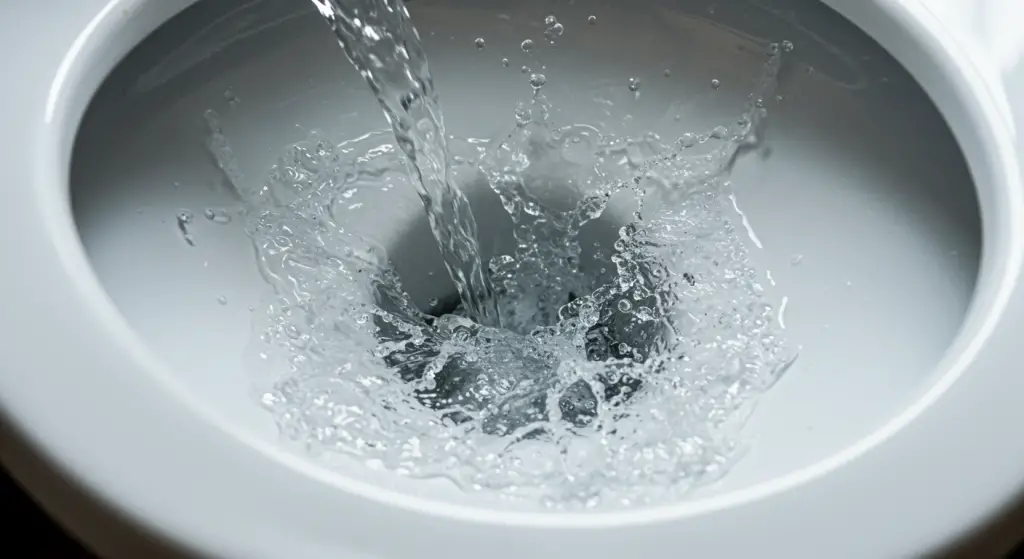
When you flush the toilet, the water from the tank rushes into the bowl, carrying away the waste. But at the same time, something else happens that we can’t see with the naked eye: a cloud of microscopic droplets, often containing bacteria and germs, is released into the air. These particles can travel up to several feet, settling on nearby surfaces—such as your sink, toothbrush, and even towels.
That means every time you flush with the lid open, you might be spreading germs around your bathroom. This phenomenon, sometimes called the “toilet plume,” has been confirmed by various studies.
Fortunately, there’s a simple way to minimize this: always close the toilet lid before flushing. By lowering the seat and lid, you can contain most of the airborne particles and prevent them from contaminating your surroundings. This small act helps keep your bathroom significantly cleaner and more hygienic.
The Water Waste Problem
Each flush uses a surprising amount of water—typically between 3 to 10 liters per flush, depending on the design of your toilet tank. Now imagine how many times a day a household of four people uses the toilet. Even if each person flushes just a few times a day, that can add up to hundreds of liters of potable water wasted daily.
To put it into perspective, flushing after every urination can lead to an individual wasting around 80 liters of clean water per day—water that has been treated and purified for drinking. Multiply that by the number of people in your home, and the amount of waste becomes staggering.
Reducing how often you flush can make a big difference, both environmentally and economically. If everyone limited their flushing to when it’s really necessary, the amount of water saved worldwide would be immense. As the old saying goes, “If it’s yellow, let it mellow.”
Is Urine Really That Dirty?
Many people assume that urine is sterile, but this isn’t entirely true. While it isn’t completely free of microorganisms, the bacterial concentration in urine is much lower than in saliva or other bodily fluids.
In healthy individuals, urine contains minimal bacteria and poses little risk if left in the toilet for a few hours. This means that letting it sit in the bowl for a short time—especially at night or when you’re home alone—isn’t as unhygienic as you might think.
However, this advice applies only to private bathrooms. In public restrooms, flushing is always necessary for hygiene reasons, as those spaces are shared and expose users to a wider variety of germs.
Pressure Problems in the Home
Have you ever been taking a relaxing shower when someone flushes the toilet—and suddenly, the water turns cold or the pressure drops? This happens because many household plumbing systems share the same water line for multiple fixtures. When the toilet tank refills after flushing, it temporarily diverts some of the water pressure from the shower.
This issue can be annoying, especially in homes with older plumbing systems. To avoid this, it’s best to wait until someone finishes showering before flushing the toilet or running other appliances that use water, like the washing machine or dishwasher.
The Nighttime Disturbance
Flushing the toilet during the night might seem harmless, but the sound can actually disrupt sleep—both for you and for others in the household. Many bathrooms are located close to bedrooms, and the rush of water in the pipes or the refilling of the tank can be quite loud in the stillness of night.
If you wake up to urinate in the middle of the night, consider skipping the flush until morning—especially if you live with light sleepers. As long as it’s just urine, leaving it for a few hours poses no real problem and allows everyone to enjoy a more peaceful night’s rest.
When Flushing Is Non-Negotiable
Of course, this suggestion doesn’t apply in every situation. In public bathrooms, at workplaces, or in any shared space, flushing after each use remains essential. These places experience far higher traffic, and not flushing would quickly lead to unpleasant odors and unsanitary conditions.
But in the privacy of your own home, adjusting your flushing habits can help you save water, prevent the spread of germs, and even keep household peace.
A Small Change With Big Benefits
Choosing when to flush might seem trivial, but the impact of this small decision can be significant. By closing the lid before flushing, you prevent germs from spreading. By skipping a flush here and there, you save liters of precious water daily. And by being mindful at night or during showers, you make life more comfortable for everyone in your home.
So, the next time you use the toilet, take a moment before pressing that handle. Ask yourself—is it really necessary this time? Sometimes, the most sustainable and hygienic habits are the simplest ones.