Never throw away fireplace ash: 5 hidden uses worth their weight in gold around the home and garden.
A fireplace is one of the most charming and cozy features a home can have. The gentle crackle of burning logs, the warm glow that fills the room, and the comforting heat it provides make it the perfect place to relax during the cold months. Whether you’re reading a book, sipping a glass of wine, or enjoying your favorite show, the fireplace creates an inviting atmosphere unlike any other. During the holidays, it often becomes the heart of the home—decorated with garlands, candles, and festive ornaments.
But beyond its beauty, the fireplace can also be functional. With the right grill insert, it can double as a rustic cooking station where you can roast meat, grill fish, toast bread, or prepare chestnuts. Few experiences are as satisfying as enjoying food cooked over an open flame. However, as anyone who owns a fireplace knows, it also requires consistent maintenance to keep it clean and working properly.
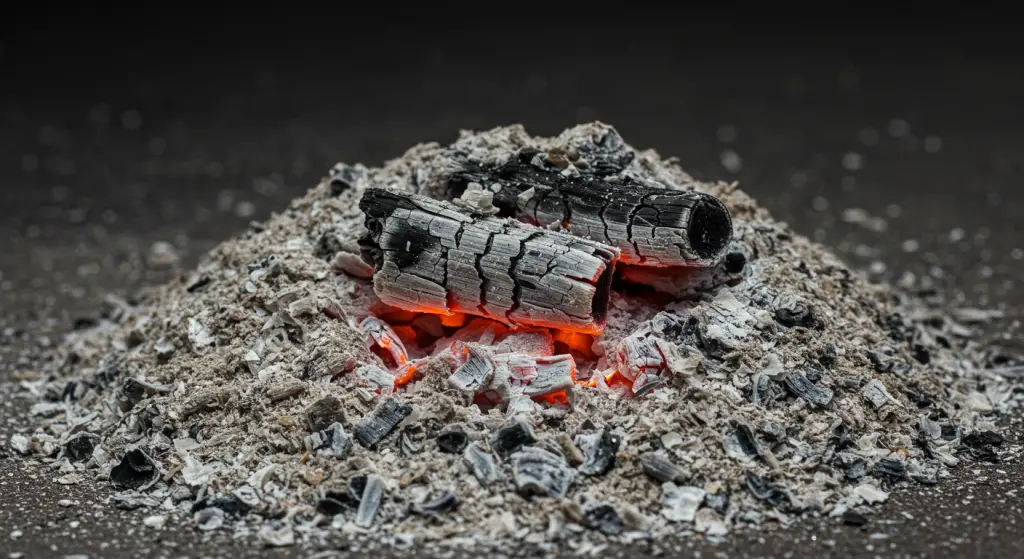
One of the main challenges is dealing with the accumulation of ash. Every time you burn wood, a considerable amount of ash remains in the hearth, and most people instinctively scoop it up and throw it away. Yet, this fine gray powder is far from useless. In fact, fireplace ash is an incredibly versatile substance that can be repurposed in several practical and eco-friendly ways. Before you toss it out, here are five surprising and valuable uses for it.
1. A Powerful Degreaser for Stainless Steel
One of the most effective uses for fireplace ash is in cleaning. Thanks to its mild abrasive and alkaline properties, ash can be used as a natural degreaser—especially for stainless steel surfaces. Stove tops, sinks, and metal cookware often collect layers of grease and stubborn residues that regular detergents struggle to remove.
To make a simple homemade cleaner, mix a handful of cold ash with a bit of warm water until you get a smooth paste. Dip a soft cloth or sponge into the mixture and gently rub it onto the greasy surface. The ash works to lift off stains and break down tough buildup without scratching the metal. Once done, wipe everything with a clean, damp cloth and dry thoroughly. You’ll immediately notice the shine returning to your stainless-steel appliances.
This method not only cleans effectively but also helps you avoid using harsh chemical products. It’s an eco-friendly alternative that makes full use of a natural by-product you already have at home.
2. An Eco-Friendly Glass Cleaner
Ash can also work wonders on glass—especially fireplace doors or windows that accumulate soot and smudges. Cleaning glass is often frustrating because of streaks and residues left behind by sprays, but ash offers a surprisingly simple solution.
To use it, you’ll need two small bowls: one with warm water and one filled with clean, sifted ash. Dip a damp sponge first into the water and then into the ash, then gently rub it across the glass surface in circular motions. The fine texture of the ash acts as a gentle abrasive that removes grime without scratching. Continue until the glass looks clear, then wipe it down with a clean cloth.
This technique not only works for fireplace glass but also for windows, mirrors, and even glass stovetops. It’s a natural cleaner that gives a streak-free shine—without spending a cent.
3. Neutralizing Bad Odors
Few people realize that ash can also absorb unpleasant odors. Just like baking soda or activated charcoal, wood ash has natural odor-neutralizing properties. It can trap and eliminate unwanted smells in the air or in enclosed spaces.
If certain areas of your home—such as the kitchen, bathroom, or basement—tend to develop lingering odors, simply place a small bowl of dry ash nearby. Within a few hours, you’ll notice the air feels fresher. It’s especially effective in absorbing smoky or musty smells.
You can also use ash inside trash cans or litter boxes to help minimize bad odors. Be sure that the ash is completely cold and dry before using it, as hot ash could pose a fire hazard.
4. Boosting Your Compost Pile
Moving from household cleaning to gardening, fireplace ash can be a valuable addition to your compost pile. When used correctly and in moderation, it enriches the compost with minerals such as potassium, calcium, and magnesium—nutrients that are beneficial for plant growth.
To use it, sprinkle a thin layer of ash over your compost heap every now and then. Avoid adding too much, as the alkalinity can disrupt the pH balance and slow down decomposition. A small handful for every bucket of organic material is more than enough.
Ash from untreated, natural wood is best for this purpose—avoid using ash from painted or chemically treated wood, as it may contain harmful substances. When used properly, fireplace ash helps create a nutrient-rich compost that your garden will love.
5. Restoring Shine to Silver Jewelry
Another unexpected but highly effective use for ash is in polishing silver. Over time, silver jewelry and utensils can lose their shine and develop tarnish. You can easily bring back their sparkle using a simple mixture of ash, baking soda, lemon juice, and warm water.
In a small bowl, mix one part ash with a teaspoon of baking soda, a few drops of lemon juice, and just enough water to create a paste. Apply the paste to your silver items using a soft cloth and gently rub it over the surface. The natural abrasiveness of the ash combined with the acidity of the lemon helps remove tarnish and restore luster. Rinse thoroughly with warm water and dry with a soft towel. Your silver will look as good as new.
Turning Waste into Value
Fireplace ash is one of those household by-products that often go unnoticed, yet it holds surprising potential. From cleaning and deodorizing to enriching your compost and polishing silver, this simple material can serve a variety of useful purposes.
By learning how to reuse it, you reduce waste, save money, and embrace a more sustainable way of living. So, the next time you clean out your fireplace, don’t just throw the ash away—give it a second life. Nature already did the hard work of creating it; now it’s your turn to put it to good use.