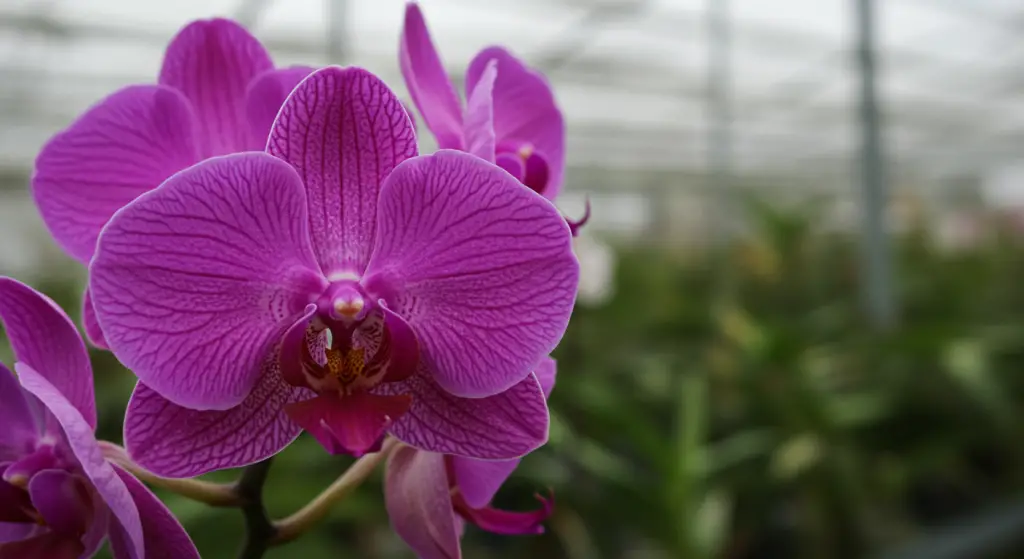
Orchid, only if you water it at this time will it be beautiful and lush
The orchid is one of the most beautiful flowers in the world—delicate, elegant, and full of meaning. But maintaining that beauty requires care, patience, and an understanding of its unique needs. One of the most important aspects of orchid care is knowing when and how to water it, because the right timing can make all the difference between a thriving plant and one that quickly withers.
The Orchid: A Symbol of Beauty and Elegance
When you give someone an orchid, you’re offering much more than just a plant. You’re gifting a symbol of beauty, refinement, and love. However, orchids are not for everyone—they require special care and attention.
These extraordinary flowers belong to one of the largest plant families in the world, with more than 25,000 species found across various climates, especially tropical regions. Many of the orchids we see today are derived from natural varieties that grow in rainforests, where they thrive on tree trunks, branches, and other elevated surfaces. Their roots are aerial, meaning they absorb moisture from the humid air around them rather than from soil.
Because of their versatility, orchids have earned the title of “the perfect flower.” They adapt effortlessly to any home décor—modern, classic, minimalist, or bohemian. Their colors range from soft pastels and creamy whites to deep purples and vivid pinks. Some even feature intricate patterns like stripes, spots, or tiger-like markings.
Popular varieties such as the Phalaenopsis (Moth Orchid), the Vanda, and the Cymbidium are admired not only for their beauty but also for their unique flower structures and long-lasting blooms. Orchids are also known for their geometrically shaped petals, setting them apart from most other flowering plants.
It’s no wonder that orchids have become a universal symbol of love, grace, and innocence. They were even a favorite of First Lady Jackie Kennedy, who admired their understated elegance.
How to Care for Orchids
Despite their delicate appearance, orchids are not overly demanding—provided you understand their natural environment. Because they originate from tropical climates, they love warmth, humidity, and gentle light. However, they dislike direct sunlight, strong drafts, or heat from radiators.
While orchids don’t need large amounts of water, they do require consistent moisture. One common mistake is letting them dry out completely or overwatering them, which can cause root rot. The key is maintaining balance—keeping the roots slightly moist without soaking them.
If you use a transparent pot, you can easily monitor the root health. Healthy orchid roots are firm and green; if they appear brown or mushy, the plant is receiving too much water.
The Right Way to Water Orchids
Watering orchids isn’t just about frequency—it’s also about timing and technique. Because orchids absorb water through their roots and leaves, mimicking the humidity of their native habitats is essential.
A highly effective method is to mist the plant twice a day. In the summer, when temperatures rise and humidity drops, you can mist up to four times daily. However, it’s crucial not to mist in the evening or during the hottest part of the day. Spraying at these times can cause fungal growth or leaf damage.
Only mist the leaves, never the flowers. Wet petals are more susceptible to mold and deterioration. The leaves, on the other hand, will absorb just the right amount of moisture, keeping the plant healthy and hydrated.
The Best Time to Water Orchids
Timing is everything. The best time to water orchids is early in the morning, when the plant has the entire day to absorb moisture and dry out naturally before nightfall. This helps prevent fungal diseases caused by excess humidity lingering overnight.
If possible, use rainwater, which is softer and free from the chemicals often found in tap water. If you must use tap water, let it sit for 24 hours before watering to allow chlorine to evaporate.
During the winter months, orchids enter a period of slower growth, so reduce watering significantly. Mist lightly only when the growing medium begins to dry out, ensuring that the roots stay slightly moist but never soggy.
In warmer conditions, such as heated indoor environments, you can water your orchid about two to three times per month. Always use water that’s at room temperature, as cold water can shock the roots.
Avoid Overwatering
If there’s one golden rule in orchid care, it’s this: never overwater. Excess water trapped at the bottom of the pot can lead to root rot, one of the most common and fatal problems for orchids. Ensure your pot has proper drainage holes and that any excess water can escape easily.
You can also use the “soak and drain” method once or twice a month. Place the orchid pot in a bowl of water for about 10 minutes, allowing the roots to absorb moisture. Then, remove it and let it drain completely before returning it to its decorative pot. This mimics the brief tropical rain showers orchids experience in nature.
Maintaining the Ideal Environment
Humidity is essential for orchids, so if your home is dry, especially during winter, consider placing a humidifier nearby or setting the pot on a tray filled with pebbles and water. As the water evaporates, it creates a naturally humid microclimate around the plant.
Also, make sure your orchid is placed in a bright but indirect light spot—ideally near a window with filtered sunlight.
Final Thoughts
Caring for orchids may seem intimidating at first, but once you understand their rhythm, it becomes a relaxing and rewarding routine. The secret lies in mimicking their natural habitat: warm, humid mornings, gentle misting, and plenty of indirect light.
By watering early in the morning, using soft or rainwater, and maintaining a balanced humidity level, your orchid will continue to reward you with lush leaves and stunning blooms all year round.
Treat it with the same elegance it embodies—and your orchid will remain as magnificent as the day you first received it.