Rust on the sink, with this secret ingredient you can say goodbye to it
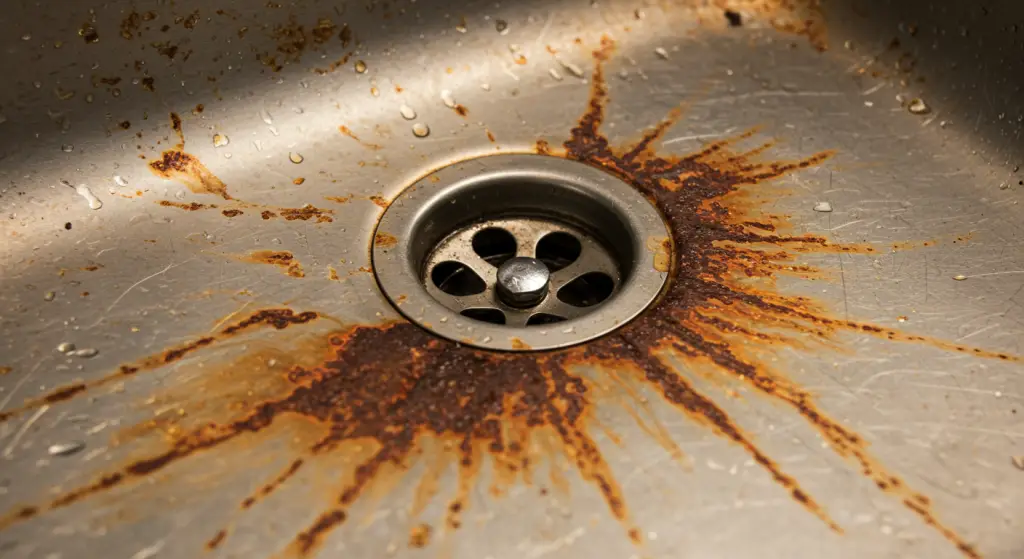
Rust and limescale on the sink or faucet are among the most frustrating cleaning problems homeowners face. When they appear, they instantly make the bathroom or kitchen look neglected and unhygienic. But here’s the truth: rust and limescale are perfectly natural occurrences. They result from simple chemical reactions caused by moisture and the constant contact of metal surfaces with water.
Even the most diligent homemakers can find themselves battling these stains. You may clean your sink every day, yet small traces of rust can still appear. Between work, family, and daily tasks, it’s not always possible to give the bathroom a deep clean as often as we’d like. Luckily, there’s a simple, effective, and completely natural method to remove rust and limescale — one that doesn’t require harsh chemicals or expensive store-bought products. And the best part? You probably already have the ingredient sitting in your kitchen cupboard.
Let’s explore this clever trick that will help you get rid of rust once and for all and restore your sink’s natural shine.
Why Rust Forms on the Faucet and Sink
Before tackling the problem, it’s useful to understand why it happens. Rust forms when metal reacts with water and oxygen, creating iron oxide — the reddish-brown residue that stains metal surfaces. Since faucets and sinks are constantly exposed to water, especially in humid environments like bathrooms, the formation of rust is almost inevitable over time.
Limescale, on the other hand, is a white or chalky buildup left behind when hard water evaporates, leaving behind calcium and magnesium deposits. When rust and limescale combine, they not only ruin the appearance of your fixtures but can also damage them over time, leading to corrosion and even leaks.
Unfortunately, commercial cleaning products that promise to “remove rust instantly” are often too aggressive. They contain acids and chemicals that can damage delicate metal coatings, scratch surfaces, or fade finishes. Moreover, they are harmful to the environment and expensive in the long run.
The good news is that nature offers us a gentler, equally effective alternative — white vinegar.
The Power of White Vinegar: Nature’s Multi-Purpose Cleaner
White vinegar is a staple in most kitchens, used to season salads or enhance the flavor of dishes. However, beyond the culinary world, it’s also a powerful cleaning agent. Few people realize just how effective this humble liquid can be when it comes to household cleaning.
Vinegar is naturally acidic, and this acidity helps dissolve mineral buildup, rust, and grime without damaging the surface beneath. It also has antibacterial and disinfectant properties, making it an excellent choice for cleaning sinks, faucets, and other bathroom fixtures.
Not only does vinegar remove rust and limescale, but it also leaves a pleasant shine and neutralizes odors. It’s completely natural, inexpensive, and environmentally friendly — a perfect substitute for chemical detergents.
How to Use White Vinegar to Remove Rust
Cleaning rust with vinegar is incredibly easy and doesn’t require any special tools. Follow these simple steps:
-
Apply the Vinegar:
Pour a small amount of white vinegar directly onto the rusty area. If the rust is located in tight or vertical spots, you can soak a piece of paper towel or cotton pad with vinegar and place it on the affected surface. Make sure the entire rusty area is covered. -
Let It Sit:
Allow the vinegar to sit for about 10 to 15 minutes. During this time, its natural acid will start to break down the iron oxide and mineral deposits. For more stubborn stains, you can leave it for up to 30 minutes. -
Scrub Gently:
After soaking, take a soft cloth, sponge, or non-abrasive scrubbing pad (depending on the material of your sink or faucet). Using circular motions, start scrubbing the rusted area. You’ll notice the rust and limescale begin to loosen and lift off the surface almost immediately. -
Rinse and Dry:
Once the rust is gone, rinse the area thoroughly with clean water to remove any remaining vinegar. Wipe dry with a clean, soft towel or microfiber cloth to prevent new water stains from forming.
With just a few minutes of effort, your faucet or sink will regain its shine and look as good as new.
For Stubborn Rust or Heavy Buildup
If the rust is particularly old or thick, you can enhance the cleaning power of vinegar with a simple homemade paste. Mix two tablespoons of baking soda with a small amount of white vinegar until you get a thick paste. Apply this mixture to the affected area and let it sit for 10–15 minutes before scrubbing. The combination of vinegar’s acidity and baking soda’s mild abrasiveness will effectively lift even the toughest stains without scratching the surface.
You can also use this mixture to clean showerheads, taps, and drain covers, which are often prone to both rust and limescale buildup.
Why You Should Switch to Natural Cleaning Methods
Using natural products like vinegar isn’t just good for your home — it’s good for the planet too. Many conventional cleaning products contain chemicals that end up polluting water systems and harming aquatic life. By choosing a simple natural cleaner, you’re helping reduce environmental impact while protecting your own health and that of your family.
Moreover, vinegar-based cleaning is cost-effective. A single bottle of vinegar can replace multiple types of commercial cleaners — for glass, tiles, floors, and metal surfaces. It’s one of the easiest ways to make your cleaning routine more sustainable and efficient.
Final Thoughts
Keeping your bathroom clean and rust-free doesn’t require a shelf full of expensive cleaning products. Sometimes, the simplest solutions are the best — and white vinegar proves it. With its natural ability to disinfect, remove rust, and dissolve limescale, this everyday kitchen ingredient can transform the way you clean.
So, the next time you notice rust spots or stubborn stains on your sink or faucet, skip the harsh chemicals. Reach for that bottle of vinegar, follow the steps above, and watch as your fixtures regain their shine — safely, naturally, and effortlessly.
One ingredient, one simple trick, and your sink will sparkle like new again.