Scratched induction hob: this fix makes it look new again
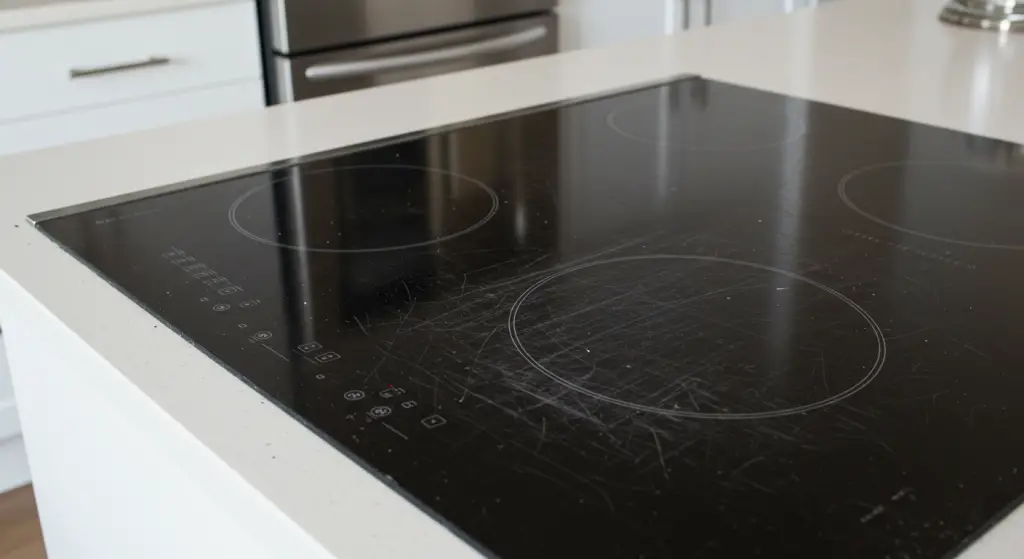
Sleek, stylish, and perfectly suited for modern open-space kitchens, induction cooktops have become a staple in contemporary homes. Their glossy, minimalist design not only looks elegant but also promises efficiency and easy maintenance. However, even though these surfaces are known for their strength, it’s not uncommon to notice small scratches over time—perhaps from cookware being dragged across the surface or from tiny bits of debris trapped underneath a pot.
If you’ve found yourself staring at a scratched induction cooktop, don’t panic. In most cases, you don’t need to replace it or call in a professional. With a few simple techniques, you can make your cooktop look smooth and shiny again. Let’s explore how to restore its flawless surface quickly and safely.
Why Induction Cooktops Are So Popular
Induction cooktops have gained enormous popularity in recent years, replacing traditional gas stoves in many kitchens. They operate using electromagnetic energy that directly heats the base of your cookware, making them faster and more energy-efficient than gas or electric coil stoves.
Their surfaces are typically made from vitroceramic glass, a highly durable material that’s heat-resistant, sleek, and easy to clean. This smooth surface prevents food from burning or sticking, allowing spills and splatters to be wiped away in seconds. Because of these advantages, induction cooktops are considered a premium choice for modern households.
Despite their toughness, however, these glass-ceramic surfaces aren’t immune to scratches. While they won’t shatter under normal use, sharp grains of salt, sugar crystals, or grit trapped between the pot and the surface can leave fine marks. Even sliding a rough-bottomed pan without lifting it can cause visible lines that dull the cooktop’s polished appearance.
Are Scratches Dangerous or Just Cosmetic?
The good news is that most scratches on an induction cooktop are purely cosmetic. They don’t typically affect the stove’s performance or safety. The electromagnetic field generated beneath the glass will continue to function normally even if the surface has light marks.
That said, deeper scratches can collect dirt, grease, and residue, making cleaning more difficult. Over time, they can also cause the surface to look worn or hazy, detracting from the elegant look that makes induction cooktops so appealing. That’s why many homeowners choose to buff them out or minimize their appearance using safe, non-abrasive methods.
Step 1: Treat Superficial Scratches Naturally
If the marks on your cooktop are light and barely felt to the touch, a simple homemade solution can work wonders. All you need are two common household ingredients: baking soda and warm water.
Here’s how to use them:
- Sprinkle baking soda directly onto the scratched areas. Focus on the zones that look dull or marked.
- Add warm water gradually, just enough to turn the powder into a soft paste. You want a creamy consistency—not too runny, but spreadable.
- Apply gently using a soft microfiber cloth or a non-abrasive sponge. Rub the paste over the scratches in circular motions.
- Let it rest for about 15 to 30 minutes. This allows the mild abrasive nature of baking soda to work without damaging the glass.
- Wipe away the paste with a damp cloth, then dry the surface thoroughly.
Baking soda is a natural, non-aggressive cleaner that helps polish the glass and smooth out minor imperfections. If the scratches are light, you’ll likely notice an improvement right away—the cooktop will look glossier and more uniform.
If the scratches are still visible after this first treatment, don’t worry. You can repeat the process or move on to a more advanced method for deeper marks.
Step 2: Fix Deeper Scratches with a Glass Polish
For more noticeable scratches that baking soda can’t fix, it’s time to use a specialized glass polishing compound, often called polish. This is a non-abrasive yet mildly buffing paste designed for glass and ceramic surfaces. It’s similar to the products used to polish car headlights or glass tables.
Here’s the best way to apply it:
- Get the right tools. You’ll need a polishing compound suitable for vitroceramic or glass, and ideally, a polishing pad attachment for a power drill. This pad looks like a small mop or foam disc and can be found in most hardware or home improvement stores.
- Apply a small amount of polish directly on the scratch or on the pad.
- Polish at low speed. Turn on the drill or polishing tool and move it slowly in circular motions. Avoid pressing too hard—let the compound and pad do the work.
- Work gradually. Continue buffing until you see the surface start to regain its smooth shine.
- Remove excess polish with a clean, dry microfiber cloth.
This method is effective because the polish contains micro-abrasive particles. These are fine enough to level out small scratches without visibly altering the glass. Instead of digging deeper, the polish subtly smooths the edges of each mark, blending them into the surrounding area and making them far less noticeable.
You can repeat this process multiple times if necessary. Each session will improve the cooktop’s appearance until it looks nearly flawless.
Maintenance Tips to Prevent Future Scratches
Once your induction cooktop is back to its original shine, you’ll want to keep it that way. Here are some key practices to protect it from further damage:
- Lift, don’t slide: Always lift pots and pans instead of dragging them across the surface.
- Keep it clean: Wipe away crumbs, salt, or food residue before cooking to prevent grit from scratching the glass.
- Use proper cookware: Choose pans with smooth, flat bottoms. Avoid rough or warped bases that can scrape.
- Avoid harsh sponges: Stick to microfiber or silicone cloths. Steel wool or abrasive pads can cause permanent damage.
- Cool before cleaning: Let the cooktop cool completely before wiping. Cleaning a hot surface can lead to streaks or even micro-fractures in extreme cases.
A Smart, Affordable Fix
Replacing a scratched induction cooktop can be expensive, often costing hundreds of euros. Before taking that drastic step, it’s worth trying these simple restoration methods. In most cases, you’ll find that a bit of baking soda or a small tube of glass polish can restore your cooktop’s beauty for a fraction of the cost.
With just a little care and patience, your once-scratched induction cooktop can look like new again—gleaming, spotless, and ready to impress. Not only will you save money, but you’ll also extend the life of one of the most elegant features in your kitchen.