Scratches on parquet, this way it becomes impeccable again: just 1 product is enough
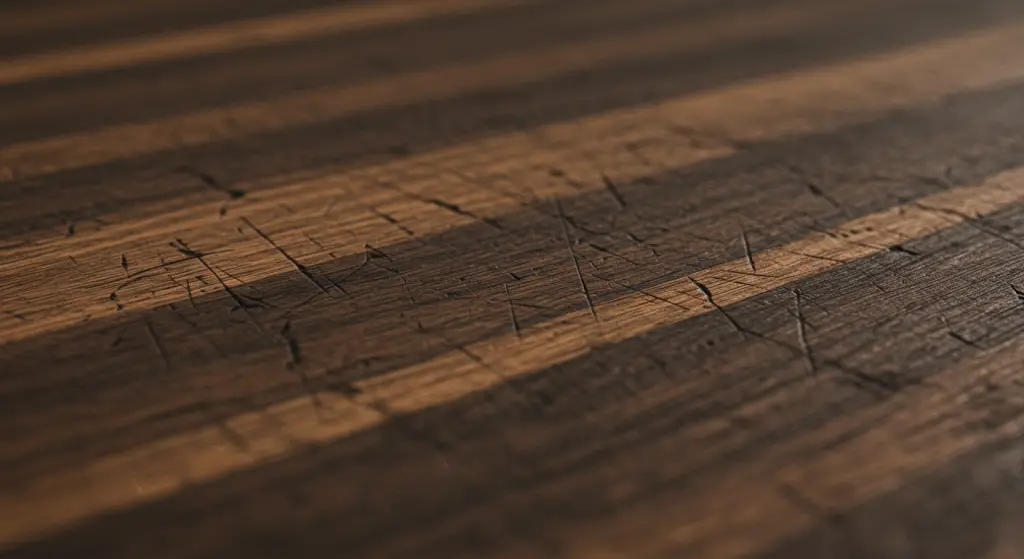
Scratches on parquet floors have always been a headache for homeowners who love the warmth and elegance of wood. Whether caused by furniture, pets, or everyday wear, they can ruin the appearance of even the most beautiful flooring. Fortunately, there are practical and inexpensive ways to repair them in just a few minutes, restoring the wood’s natural charm without having to call a professional.
Why parquet is special
Choosing parquet means embracing the timeless beauty of natural materials. Nothing compares to the comfort, style, and insulation of real wood—whether solid or engineered. It’s one of the most elegant and durable flooring options available, and even when it becomes worn or damaged, it can often be restored to its original splendor.
However, parquet floors require consistent maintenance to keep them looking their best. Homes with children or pets are especially prone to scuffs and scratches, which is why knowing how to care for the wood properly makes all the difference. The longevity and resistance of your parquet largely depend on its quality, the finish applied, and how regularly that finish is renewed.
A typical parquet floor is made from wooden planks about a centimeter thick, installed on a prepared subfloor. After installation, the surface is sealed or varnished, a key step that protects the wood from damage. Over time, however, that protective layer can wear away—especially in high-traffic areas—making the surface more vulnerable to marks and scratches.
Assessing the damage
The first step in repairing parquet is understanding the extent of the damage. Not all scratches are the same, and the treatment you choose will depend on how deep they are.
For superficial scratches, you’re in luck: these are the easiest to fix. They only affect the surface finish, not the wood itself, and can often be repaired quickly using simple DIY methods.
For deeper scratches or gouges that reach into the wood, you may need to spend more time blending the repair with the surrounding surface—but even these can often be managed without professional help.
Fixing superficial scratches
If the scratch is shallow, a ready-made wood repair liquid is your best friend. These products are available at most DIY and hardware stores. Before applying, make sure you choose the right color. A poor color match can make the scratch stand out even more. To be safe, always test the product in an inconspicuous corner first.
Once you’re confident about the color, apply the liquid to the scratched area following the direction of the wood grain. Let it dry completely, then buff the surface gently with a soft cloth. In most cases, the scratch will disappear or become nearly invisible.
If the scratch was caused by a door rubbing against the floor, make sure to fix the root of the problem before making any repairs—perhaps by adjusting hinges or trimming the bottom edge of the door. Then you can move on to restoring the wood’s appearance.
Repairing with wax
Another excellent method for repairing light to moderate scratches is using wax sticks designed for wood floors. Choose a wax color that matches your parquet as closely as possible. If you can’t find an exact match, you can blend different shades together for a more natural result.
Here’s how to do it:
- Clean the scratched area thoroughly, removing any dust or debris.
- Lightly heat the wax stick with a lighter or hair dryer until it softens.
- Drip a small amount of melted wax into the scratch, filling it completely.
- Use a spatula or plastic scraper to level the surface, following the direction of the wood grain.
- Once the wax has hardened, gently sand the area with very fine-grit sandpaper to remove any excess.
- Finish by wiping the area with a damp microfiber cloth.
This simple method blends the repair seamlessly into the wood. To bring back the lost shine, finish by applying beeswax polish, which nourishes and protects the wood.
Restoring shine with beeswax
Beeswax is one of the most traditional and effective treatments for wood surfaces. To make your own parquet polish, melt a small amount of beeswax in a double boiler and mix it with a few drops of linseed oil. Once it cools slightly, apply it to the floor with a soft cloth using circular motions. The wax will restore the wood’s natural luster and leave a pleasant, clean scent.
Let it sit for a few hours or overnight, then buff with a dry cloth until the surface shines. Regular use of this mixture helps keep parquet smooth, hydrated, and resistant to future scratches.
When dealing with laminate flooring
For those who have laminate flooring that imitates real wood, scratches can still happen—though the approach to fixing them is a little different. Because laminate doesn’t contain natural wood grain, traditional repair liquids or wax for wood may not work as effectively.
A simple alternative is to use colored wax crayons or repair markers designed specifically for laminate surfaces. Here’s how:
- Clean the scratched area thoroughly.
- Choose a crayon that matches your laminate’s color.
- Rub it gently over the scratch until the gap is filled.
- Remove any excess with a clean, dry cloth.
- Buff lightly to restore the sheen.
This small trick can make a big visual difference, especially on light or medium-toned laminate floors.
Final tips for parquet care
Preventing scratches is always better than repairing them. Here are some easy habits that help preserve your floor:
- Place felt pads under furniture legs.
- Avoid dragging heavy objects across the floor.
- Keep pet nails trimmed.
- Regularly sweep or vacuum to prevent grit from scratching the surface.
- Reapply protective wax or varnish periodically.
With a little care and the right techniques, even scratched or worn parquet can look brand new again. A few minutes of attention and a handful of simple materials are all it takes to bring back the elegance and warmth of your wooden floor.