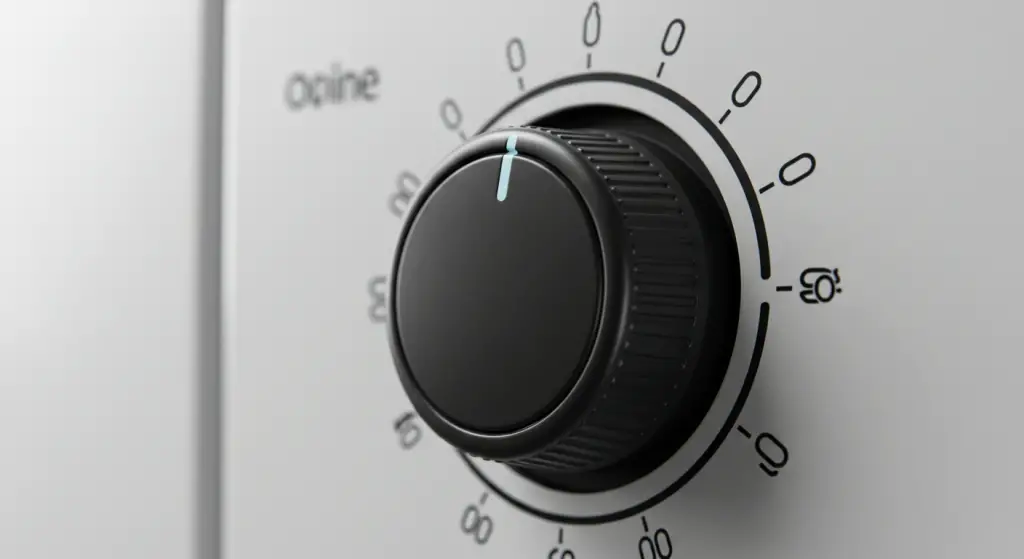
Secret dryer button, dry your clothes in the blink of an eye
Having a clothes dryer at home is one of those conveniences that can make daily life much easier—especially during winter, on rainy days, or when you need clean, dry clothes in a hurry. Dryers are particularly useful for bulky items such as bedsheets, duvets, or towels that can take days to air dry indoors. However, as practical as they are, dryers also have a reputation for being energy-hungry appliances that can significantly increase your electricity bill.
But here’s the good news: you don’t have to give up using your dryer to keep your energy costs under control. By understanding how it works and using it strategically, you can dry your laundry efficiently without spending a fortune. Let’s explore how to make the most of your dryer — including one “secret button” that can help you save both time and money.
From Luxury to Essential: The Rise of the Dryer
Just a few years ago, dryers were considered a luxury item in many parts of Europe, used mostly in the United States or in households with limited outdoor space. Today, however, dryers have become increasingly common in Italian homes too. Modern life leaves little time for waiting around for clothes to air dry — and in cities where space is limited and humidity levels are high, dryers have become almost indispensable.
Still, this convenience comes at a cost. Running a dryer, especially older models, consumes a significant amount of electricity. Long drying cycles combined with rising energy prices make many homeowners think twice before pressing the start button. But with a few smart tricks, you can reduce the energy used per load — and still enjoy soft, perfectly dry laundry year-round.
How to Use Your Dryer Efficiently
The first rule of saving with a dryer is simple: use it wisely and only when necessary.
That means:
-
Always run the machine with a full load, but avoid overloading it — clothes need room to move for even drying.
-
Take advantage of off-peak energy hours if your electricity contract includes them. Running the dryer at night or early in the morning can save you a surprising amount over time.
-
Clean the lint filter before every use. A clogged filter not only reduces drying efficiency but also increases energy consumption and the risk of overheating.
Understanding the type of fabric you’re drying is equally important. Heavy materials such as blankets, jeans, and towels naturally require longer drying times, while lighter items like synthetics or shirts can be done in half an hour. By grouping fabrics according to their weight and moisture retention, you can optimize each cycle and avoid wasting power.
The Secret Button: Fast-Dry Mode
Most modern dryers come with multiple drying programs — from delicate to eco, cotton, or synthetic — but not everyone knows that one specific setting can actually reduce drying time and energy usage dramatically.
This is the quick-dry function, sometimes labeled as “synthetic” or “rapid dry.” Originally designed for lightweight, synthetic fabrics, this setting shortens the drying cycle by using a higher airflow and moderate heat, allowing clothes to dry faster without consuming as much energy.
While this mode might not completely dry thicker fabrics like towels or jeans in one cycle, it’s perfect for smaller loads or for items that only need a quick refresh. You can always finish the heavier pieces with a brief additional cycle — still saving more energy overall than running a full, standard drying program.
Start Saving Energy Before You Even Use the Dryer
The secret to efficient drying actually starts in your washing machine.
If your washing machine has a high-speed spin cycle, use it! Increasing the spin speed (for example, from 800 to 1200 rpm) removes more water from your clothes before they ever reach the dryer. The drier your laundry is at the start, the less time and energy your dryer needs to finish the job.
Be aware, though, that very high spin speeds can cause some fabrics to wrinkle more. A clever fix? Throw a few tennis balls into the dryer along with your load. The balls help prevent the clothes from clumping together, allowing hot air to circulate more freely and keeping garments softer and less creased.
Divide and Conquer: Sort by Fabric Weight
Another easy yet effective way to cut drying time is to sort your laundry by fabric type and thickness before drying. Mixing heavy items (like towels or jeans) with lightweight ones (like shirts or underwear) leads to uneven results — the light items dry too quickly while the heavy ones stay damp.
Running separate cycles based on fabric weight allows each load to dry more evenly and efficiently, which in turn reduces the total drying time — and the electricity required.
A Clever Trick: The Dry Towel Method
If you really want to speed up drying, try this smart, old-fashioned trick: place a dry towel inside the dryer along with your wet clothes. The dry towel absorbs some of the excess moisture during the first part of the cycle, helping the other items dry faster.
The towel will become damp in the process, but it will significantly reduce the drying time for the rest of the load. Once you notice the towel getting wet, simply remove it and let the rest of the clothes finish drying.
Make sure to use a cotton towel or another highly absorbent fabric — that’s what makes the difference.
Other Energy-Saving Habits
To get the most out of your dryer while keeping energy use low, consider these additional tips:
-
Avoid over-drying: Many dryers include sensors that automatically stop the cycle when the clothes are dry. If yours doesn’t, set a timer and check occasionally — running it longer than needed wastes power.
-
Place your dryer in a warm, ventilated room. A dryer that operates in a cold, damp basement has to work harder to remove moisture.
-
Regular maintenance: Clean the condenser and check the ventilation ducts if your model uses them. Proper airflow ensures optimal efficiency.
The Bottom Line
The clothes dryer has evolved from a luxury appliance into a practical necessity for many households, especially during cold and rainy months. But using it doesn’t have to mean skyrocketing electricity bills.
By following a few smart strategies — such as selecting the quick-dry function, spinning clothes at higher speeds in the washer, separating fabrics by weight, and using the dry towel trick — you can cut your drying time and energy consumption dramatically.
It’s all about knowing your machine and using it intelligently. With these simple adjustments, you can enjoy the convenience of perfectly dry laundry without worrying about your next electricity bill.