Smelly radiators, this way you will keep any stink away from your home
As temperatures drop and the heating season begins, many homeowners notice a recurring and unpleasant issue: radiators that emit bad smells. It’s not just uncomfortable — it can make your entire home feel less fresh and welcoming. Fortunately, there’s a simple and effective method to get rid of this problem for good. Let’s take a closer look at why radiators develop these odors and how to clean them properly to restore a pleasant atmosphere in your home.
Why Radiators Can Smell Bad
Before turning on your heating system for the winter, it’s essential to clean your radiators thoroughly. Over time, dust, lint, and other debris accumulate on and inside them, especially during the long summer months when the system remains unused. Once the radiators heat up, this buildup starts to burn, releasing an unpleasant smell that spreads throughout the house.
This issue is even more problematic in homes where people suffer from dust allergies or respiratory sensitivities. The accumulated dirt doesn’t just create bad odors — it also affects air quality and the efficiency of the heating system. When the radiator is dirty, it doesn’t distribute heat evenly, which means higher energy consumption and less comfort.
So, if you’ve already turned on your radiators and noticed an unpleasant odor, don’t worry — the problem is fixable. You’ll just need to give your radiators a more thorough cleaning, both externally and internally.
Cleaning the Outside of Your Radiators
Always start cleaning when the radiators are completely turned off and cold. Place some damp towels or cloths underneath them to catch any falling dust or dirt. These will also help trap fine particles so they don’t spread around the room.
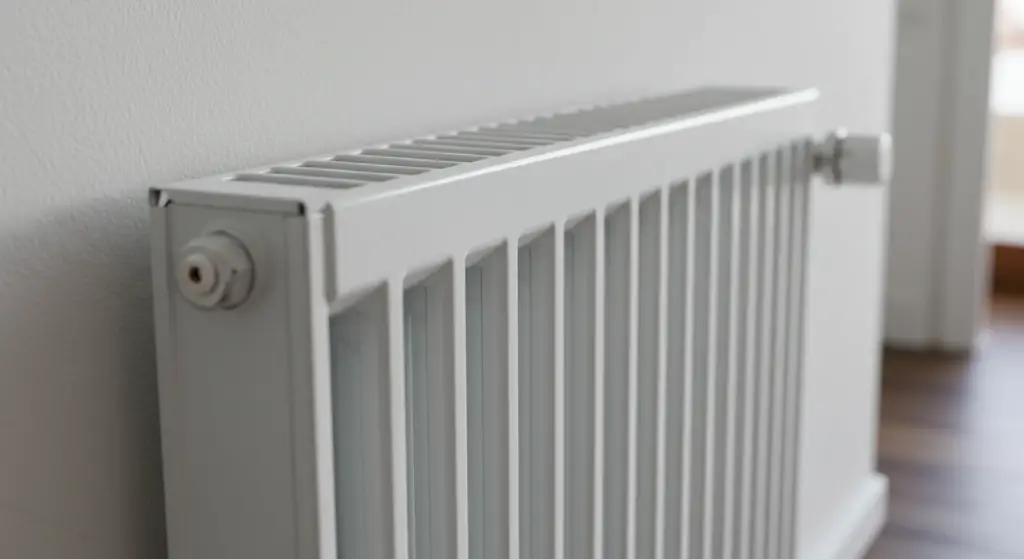
Begin by removing the dust accumulated behind the radiator — this is usually the dirtiest part because it’s hard to reach. A practical trick is to use the warm air from a hairdryer: direct it through the upper openings of the radiator. The airflow will push the dust downward, where it will stick to the damp towels you placed earlier.
Once the larger debris is gone, it’s time to wipe down all the surfaces. Mix some degreaser with warm water and dampen a microfiber cloth with the solution. Gently clean each fin and edge of the radiator. Microfiber is particularly effective because it traps small particles and leaves the surface shiny and smooth. If the smell persists after this step, it’s likely that the problem is coming from inside the radiator — and that requires a deeper clean.
How to Clean the Inside of the Radiators
The internal cleaning process is slightly more delicate but still manageable if done carefully. Start by placing a container or basin under the radiator’s bleed valve to catch any water that might escape. Using the proper bleed key or tool, slowly open the valve. Let only the darkest, dirtiest water flow out — this is where most of the odor-causing residue collects. Then, close the valve immediately. Avoid letting all the water drain, as this could create pressure issues or even damage your heating system.
For modern radiators, internal cleaning should ideally be done by a professional, especially if the system includes pressure-sensitive components or electronic controls. However, for traditional radiators with accessible openings, you can perform an effective home treatment.
Fill a jug with hot water and add one cup of white vinegar and a teaspoon of Marseille soap flakes. Stir the mixture until the soap dissolves completely. Then, carefully pour the solution into the radiator’s openings or through accessible sections. The vinegar will dissolve mineral buildup and neutralize odors, while the Marseille soap acts as a natural degreaser.
Let the solution sit for several minutes, allowing it to penetrate and clean the interior walls of the radiator. Then, let the liquid drain completely. Once the dripping stops, dry the exterior thoroughly with a clean microfiber cloth. The combination of vinegar and Marseille soap not only removes grime but also leaves a faint, fresh scent that keeps the air in your home clean and pleasant.
The Importance of Bleeding Your Radiators
Even after thorough cleaning, you should never skip bleeding your radiators before winter. This maintenance task ensures the heating system works efficiently, saves energy, and prevents annoying noises. Over time, air can accumulate inside the pipes, blocking the normal water flow. This causes uneven heating and can make your radiators gurgle or clang.
To bleed your radiators, place a small bowl under the valve and slowly turn it counterclockwise using a bleed key. You’ll hear a hissing sound as trapped air escapes. Once water starts flowing steadily, close the valve tightly. Repeat this process for each radiator in your home. Regularly bleeding the system — at least once a year — keeps your heating system running smoothly and ensures a warm, cozy environment throughout winter.
A Simple Routine That Prevents Odors and Saves Energy
Radiators might seem like low-maintenance fixtures, but a bit of care goes a long way. Keeping them clean on the outside and clear of internal buildup will not only eliminate bad smells but also improve their heating efficiency. A clean radiator warms up faster, uses less energy, and maintains a steady temperature.
In addition, natural cleaning agents like white vinegar and Marseille soap are eco-friendly alternatives to harsh chemical cleaners. They disinfect, remove dirt, and leave your radiators looking and smelling like new — without damaging the metal or releasing toxic fumes.
So, before the cold weather fully sets in, take an hour to give your radiators a proper cleaning. You’ll enjoy cleaner air, lower bills, and a more pleasant home environment — all thanks to a simple, natural routine that keeps bad smells away for good.