Snow on your roof: the secret to removing it in less than 2 minutes
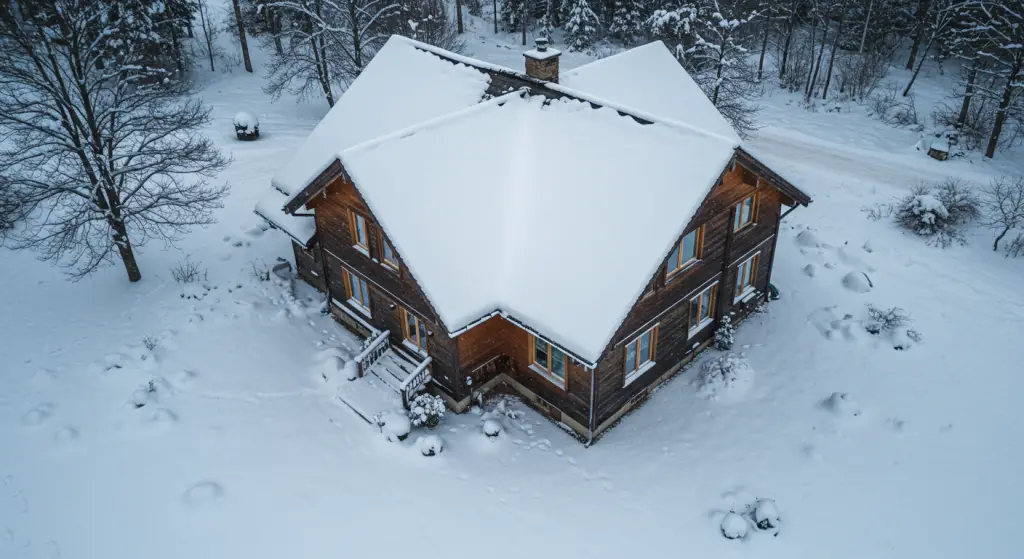
When winter arrives and snow begins to fall—especially in mountain regions—it can create a magical landscape. However, as beautiful as the snowy scenery may be, it also brings its share of challenges. One of the most common and potentially serious problems occurs when snow accumulates on the roof of your home. If not removed properly and in time, it can lead to structural damage, leaks, or even collapses.
Fortunately, removing snow from your roof doesn’t have to be complicated or dangerous—provided you use the right tools and follow a few key safety steps. In this guide, we’ll explain when and how to remove snow from your roof effectively, and which tools are best suited for the job.
Why Snow on the Roof Can Be a Serious Problem
At first glance, a roof blanketed in snow might look picturesque, but beneath that beauty lies potential risk. Roofs are designed to bear a certain amount of weight, but heavy snow—especially wet or compacted snow—can quickly exceed that limit.
If snow remains on the roof for too long, several problems can occur:
-
Excessive weight: A thick layer of snow adds significant load to the roof structure, which can cause sagging or even collapse in extreme cases.
-
Ice dams: When snow melts and refreezes, it can form ice ridges along the edges of the roof, preventing proper drainage and causing water to back up under the shingles.
-
Leaks and water damage: Melting snow can seep through small cracks and joints, leading to damp spots, mold, and ceiling stains.
-
Falling hazards: Large chunks of snow or icicles can slide off the roof suddenly, posing a danger to people, cars, or objects below.
For all these reasons, it’s essential to clear your roof regularly during heavy snow periods.
When to Remove Snow from the Roof
Timing is crucial when it comes to snow removal. The best moment to clear snow is right after the snowfall stops, while the snow is still soft and easy to handle. Fresh snow can be removed without much effort, and doing it early prevents it from compacting or freezing into solid ice.
Once the snow hardens, it becomes much more difficult—and dangerous—to remove. Chipping away at frozen snow or ice can damage roof shingles, gutters, and other materials. If the snow has already turned to ice, it’s best to contact professional roof-cleaning services who have the proper tools and safety gear for the job.
In general, you should consider removing the snow when:
-
The accumulation exceeds 15–20 centimeters (6–8 inches).
-
The snow begins to melt during the day and refreeze at night.
-
You notice icicles forming or gutters overflowing.
Tools You’ll Need to Remove Snow from the Roof
To safely clear snow from your roof, you’ll need a few essential tools. You don’t need expensive machinery—just the right kind of equipment designed for snow removal.
1. The Snow Shovel (or Snow Scoop)
A sturdy snow shovel is one of the simplest and most effective tools for removing snow from flat or slightly sloped roofs. It allows you to lift and push snow off safely without damaging the roof surface.
Choose a lightweight but durable shovel—preferably made of aluminum, which is stronger and more resistant than plastic. Aluminum shovels can handle both soft and compacted snow without bending or breaking.
Some modern snow shovels also come with thermal handles, designed to keep your hands warm and provide a better grip while working in freezing temperatures.
When using a shovel, start from the roof’s edge and work upward in small sections. Avoid scraping directly against the roofing material—leave a thin layer of snow (about an inch) to prevent scratching or tearing the shingles.
2. The Roof Rake
Another excellent tool for snow removal is the roof rake, a long-handled scraper that allows you to clear snow while standing safely on the ground. Roof rakes are especially useful for pitched roofs, where climbing is risky.
Simply extend the rake and pull the snow downward gently. Be sure to work gradually and evenly across the roof, avoiding aggressive movements that could dislodge tiles or damage gutters.
For icy areas or thin layers of hardened snow, you can use a flat spatula or ice scraper to loosen the surface before using the rake. However, proceed carefully to avoid scratching the roofing materials.
3. The Snow Pusher or “Push Shovel”
If the snow has started to harden but hasn’t yet turned to ice, a snow pusher—also known as a push shovel—can make the job much easier. This type of shovel has wheels or a wide blade that allows you to push heavy snow across the roof without lifting it.
Snow pushers are designed to handle larger amounts of snow efficiently. They can help you clear wide areas faster and reduce strain on your back and shoulders.
Available in various sizes and materials (including steel and reinforced plastic), these tools are affordable and perfect for homeowners who deal with frequent snowfall each winter.
Safety Tips for Roof Snow Removal
While it might be tempting to climb up and handle the job quickly, roof work in winter can be dangerous. Follow these safety precautions to protect yourself:
-
Never work alone. Always have someone nearby to assist or call for help in case of an accident.
-
Avoid walking on icy roofs. Ice can make surfaces extremely slippery and unpredictable.
-
Use proper safety gear. Non-slip boots, gloves, and a safety harness are essential if you must climb.
-
Work from the ground whenever possible. Tools like roof rakes and push shovels are designed for this purpose.
-
Don’t overload gutters or downspouts. As you remove snow, make sure water can drain freely when it melts.
If the roof is too high or steep, it’s best to hire professionals equipped with specialized snow-removal systems, ladders, and safety harnesses.
Final Thoughts
Snow-covered roofs are one of winter’s most picturesque sights—but they can also hide dangerous risks if ignored. Regular snow removal helps protect your roof, prevents costly repairs, and keeps your home safe.
By acting promptly, using the right tools—such as a snow shovel, roof rake, or snow pusher—and following safety guidelines, you can easily keep your roof clear all winter long.
So the next time a snowstorm hits, you’ll be ready—not just to admire the beauty of the season, but also to handle it safely and efficiently.