Tea towel on the oven door, you should never do it: this is the reason
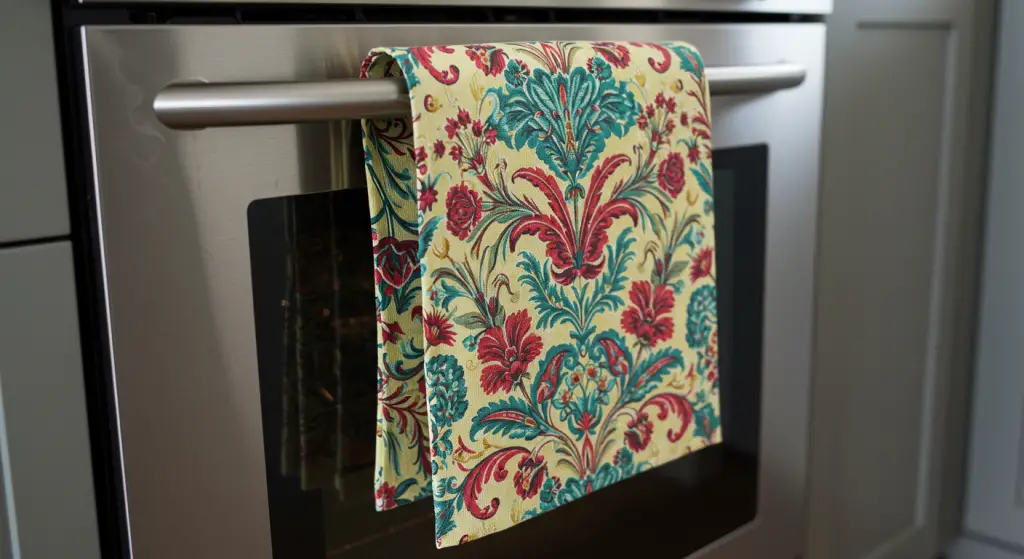
In most kitchens, dish towels — also called tea towels or kitchen cloths — are essential tools used multiple times a day. They dry dishes and hands, wipe countertops, and clean up spills. Because they’re used so often, many people simply hang them on the oven handle for convenience. It seems practical — always within reach and even a quick way to dry the towel when the oven is warm.
However, experts warn that this common habit isn’t as harmless as it looks. Hanging a dish towel on the oven door can create hygiene problems, encourage bacterial growth, and even pose a safety risk. Here’s why you should stop doing it — and what to do instead.
The Many Roles of Dish Towels in the Kitchen
Dish towels are among the hardest-working fabrics in the house. They’re used to:
-
Dry freshly washed dishes, glasses, and utensils.
-
Wipe countertops and dining tables.
-
Clean up spills and messes.
-
Dry hands after washing.
Because they serve so many purposes, dish towels come into contact with different surfaces — some clean, some not so much. Every time you use one, it collects moisture, grease, and bacteria. The more you reuse the same towel for multiple purposes, the more it becomes a breeding ground for germs.
Many people also hang their towels on the oven handle because it’s an easy spot to reach. When the oven is on, the warmth seems like an added bonus, helping the towel dry faster. Unfortunately, that warmth can make things worse.
Why Hanging a Dish Towel on the Oven Handle Is a Bad Idea
It might look neat and convenient, but draping a towel over the oven handle is one of the least hygienic habits in the kitchen. There are a few reasons for this.
1. It encourages bacterial growth.
When the oven is warm, it creates an environment that’s both humid and hot — the perfect conditions for bacteria to multiply. A damp towel left hanging on a hot appliance becomes a petri dish for germs. Over time, this can spread bacteria to your hands, kitchen utensils, or even the food you prepare.
2. It increases the risk of cross-contamination.
Most people use the same towel for multiple purposes: drying dishes, wiping hands, cleaning up spills, or removing food residues. Each of those tasks exposes the fabric to different types of bacteria, which can easily spread to other surfaces. For instance, a towel that wiped a countertop with raw meat juices should never touch clean dishes or your hands — but it often does.
3. It can cause unpleasant odors.
Moisture and warmth don’t just attract bacteria; they also create a musty smell. If you’ve ever noticed your kitchen towels developing a sour odor even after washing, that’s usually a sign of lingering bacteria and mildew.
4. It can be a fire hazard.
Although rare, hanging fabric near or on a heat-emitting appliance can be dangerous. A towel that slips too close to the oven vent or a gas flame could catch fire. Even electric ovens can release enough heat to scorch or damage fabric over time.
How to Use Dish Towels the Right Way
The best way to prevent contamination is to designate separate towels for different purposes:
-
One for drying dishes and cutlery.
-
One for wiping hands.
-
One for cleaning and wiping surfaces.
This simple practice prevents cross-contamination and reduces the spread of bacteria in the kitchen. Keep towels visibly distinct — for example, by using different colors or patterns for each purpose.
You should also replace and wash them frequently. Even if they don’t look dirty, towels can harbor bacteria after just one day of use.
The Right Way to Store and Dry Kitchen Towels
Instead of hanging your towels on the oven door, use one of these more hygienic alternatives:
1. Wall hooks or adhesive hangers.
Install a few hooks on the wall or inside a cabinet door. This keeps towels accessible but away from heat and food-prep areas.
2. A towel rack near a window.
If possible, hang your towels in a well-ventilated spot or near natural light. Sunlight helps kill bacteria and keeps towels fresher for longer.
3. Inside cupboard doors.
For clean, dry towels, consider hanging them inside cabinet doors or drawers. This keeps them protected from kitchen grease and splashes while maintaining order.
Whichever method you choose, always ensure your towels are spread out to dry — never bunched up or folded when damp. Moisture trapped in fabric fibers is the main cause of bacterial growth and unpleasant smells.
How to Properly Wash Dish Towels
Even with good storage habits, dish towels need regular deep cleaning. Here’s how to keep them fresh and hygienic:
-
Wash them separately.
Avoid washing towels with clothing or other laundry items. Kitchen towels should have their own load, especially since they come into contact with food and bacteria. -
Use hot water.
Towels should be washed at high temperatures — ideally around 90°C (194°F). Lower temperatures may not kill bacteria effectively. -
Add baking soda for extra cleanliness.
When washing, pour a small amount of baking soda directly into the drum. It helps remove odors, brightens whites, softens fabric, and boosts your detergent’s cleaning power. -
Pre-soak before washing.
For heavily soiled towels, soak them for about an hour in hot water mixed with baking soda before putting them in the washing machine. This loosens stains and disinfects the fibers. -
Dry them thoroughly.
Always dry towels completely before folding or storing. The best way is to hang them outside in direct sunlight — a natural disinfectant that also keeps fabrics smelling fresh.
The Bottom Line
Hanging a dish towel on the oven handle might seem like a harmless habit, but it can actually encourage bacteria to thrive, cause unpleasant odors, and even pose a minor fire risk.
By simply changing where and how you store your towels — and by keeping them clean with regular hot washes — you can make your kitchen a safer, fresher, and more hygienic place.
So next time you finish using your oven, resist the temptation to toss that towel over the handle. A few hooks on the wall and a bit of extra care can make a world of difference for both cleanliness and safety in your kitchen.