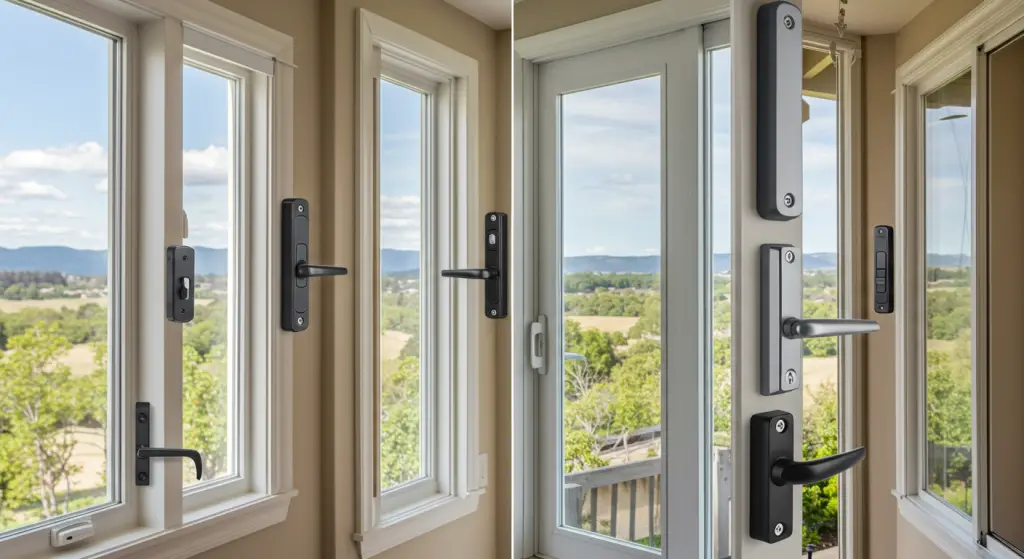
The hidden window option that saves you money: a warm home at no cost
Windows are one of the most common entry points for cold air and one of the easiest escape routes for heat in a home. When the first chilly days of autumn and winter arrive, many homeowners start to notice drafts or a sudden drop in indoor warmth—signs that their windows might not be doing their job properly.
Replacing windows can be a costly investment, but the good news is that it’s not always necessary. With a few simple checks and adjustments, you can significantly improve insulation, retain heat, and even save money on your energy bills—all without spending a fortune.
Preparing Your Home for the Cold
As temperatures begin to fall, it’s time to prepare both yourself and your home for the season ahead. Out come the warm clothes, cozy blankets, and hearty soups. But while we prepare ourselves for winter, we often forget that our homes also need attention.
Maintaining a warm home doesn’t always mean turning up the heating system or buying expensive new radiators. Before taking drastic measures, it’s worth checking for simple, effective solutions that can make a big difference in comfort and efficiency.
Bleeding the Radiators
After months of inactivity during the warmer seasons, radiators often trap air inside their system. This trapped air prevents hot water from circulating evenly, reducing their efficiency and leaving rooms feeling colder than they should.
To fix this, it’s essential to “bleed” the radiators—releasing the air pockets trapped inside. Once you’ve done this, the heating system can operate at full power again.
Another important reminder: never cover your radiators. Blocking them with furniture, curtains, or drying clothes prevents heat from circulating properly and can even cause overheating in the system itself. Keeping them clear ensures that the warmth is evenly distributed throughout the room.
The Importance of Insulation
When people renovate their homes, insulation often gets overlooked. Yet proper insulation in walls, ceilings, doors, and especially windows is crucial for maintaining warmth and reducing noise.
A well-insulated home not only feels more comfortable but also cuts down on energy costs. Insulation traps heat indoors during winter and keeps it out during summer, maintaining a stable temperature all year round.
If your house feels cold despite a working heating system, chances are your insulation—particularly around windows and doors—is inadequate.
The Role of Windows in Heat Retention
Windows do more than just let light in; they play a vital role in regulating indoor temperature. During the day, sunlight is a free and natural source of warmth. You can take advantage of it by keeping your blinds, curtains, and shutters open during daylight hours to let in the sun’s rays.
Once evening falls, however, it’s important to close everything tightly—curtains, blinds, and shutters—to trap the accumulated heat inside. The sun is the oldest and most efficient heating system in the world, so use it to your advantage whenever possible.
If you have the budget, you might also consider installing solar panels to complement your home’s heating system. Even a small installation can reduce energy costs and increase your home’s sustainability.
Checking and Adjusting Your Windows
Windows are one of the biggest sources of heat loss in a home. Poorly sealed or low-quality frames allow warm air to escape and cold drafts to enter, which forces your heating system to work harder and consume more energy.
High-quality, energy-efficient windows can reduce energy loss by up to 70%. Modern windows often feature double glazing—two layers of glass separated by air or gas—which provides excellent insulation. But what many homeowners don’t realize is that these windows also come with adjustable screws or settings that can be fine-tuned depending on the season.
These adjustment screws are usually found inside the window frame, whether it’s made of PVC or aluminum. By turning these screws, you can change the pressure between the window seals, improving insulation in winter and allowing better airflow in summer.
Unfortunately, many installers fail to mention these built-in adjustments to homeowners, leaving them unaware of an easy and free way to optimize their windows’ performance.
How to Adjust Your Windows for Winter and Summer
Each season requires a slightly different window setting:
-
Winter Mode: Tighten the screw to increase the pressure between the seals. This helps block drafts and keeps warm air from escaping.
-
Summer Mode: Loosen the screw slightly to allow for minimal airflow, preventing condensation and maintaining a comfortable temperature indoors.
Typically, a split-head or star-shaped screw is used for these adjustments, though some windows may require an Allen key (also known as a hex key). It’s a simple task that can be done twice a year—once in spring and once in autumn—to ensure your windows are working as efficiently as possible.
This quick maintenance step can significantly enhance the performance of double-glazed windows, helping you retain more heat during winter and enjoy a cooler home in summer.
Simple Tips for Keeping Warm at No Extra Cost
If you’re looking to make your home warmer without spending money, here are a few additional strategies:
-
Seal any gaps around window frames using weather stripping or silicone caulk. Even small cracks can let in a surprising amount of cold air.
-
Use thick curtains during winter. They act as an extra barrier to keep heat inside.
-
Let the sunlight in during the day and close everything at night.
-
Keep doors closed between rooms to prevent heat from escaping into unused areas.
Final Thoughts
Keeping your home warm doesn’t always require expensive renovations or new heating systems. Sometimes, it’s about knowing how to make the most of what you already have—especially when it comes to your windows.
With a few easy adjustments, proper insulation, and smart use of natural sunlight, you can maintain a cozy and comfortable environment all winter long—without adding a single euro to your energy bill.
A well-sealed window is not just about comfort; it’s about efficiency, sustainability, and savings. So before you rush to replace your old windows, take a closer look—they might just need a simple turn of a screw to make your home feel warmer than ever.