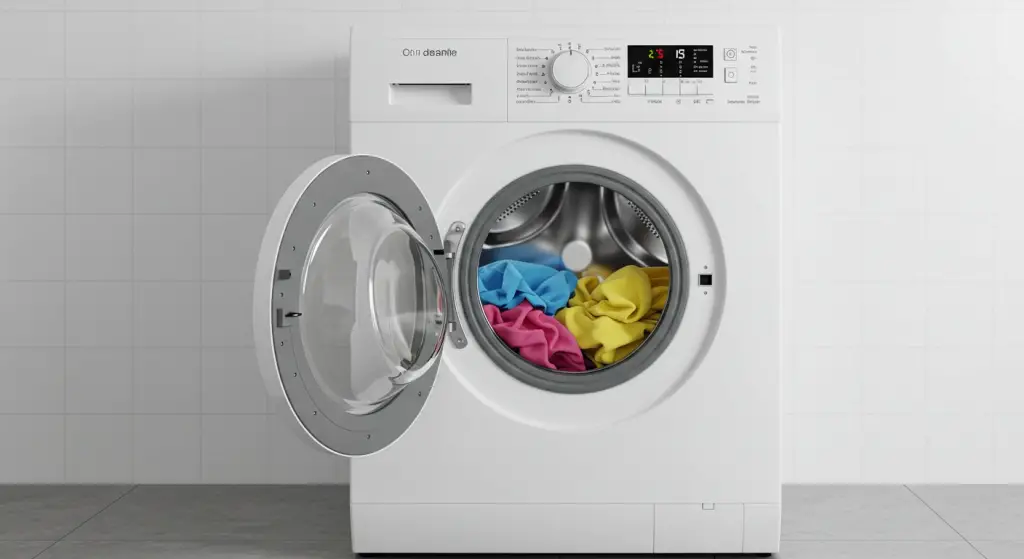
Washing machine: save on your bill with this technician’s secret.
The washing machine is an essential appliance in every household. Some families carefully plan their laundry days, running the machine only two or three times a week to save on electricity costs. Others, depending on their household size and daily needs, find themselves using it several times a day.
Naturally, the larger the family, the more frequent the laundry loads. But as energy prices continue to rise—especially during the autumn and winter months—many people are now rethinking their habits to reduce expenses.
Rising Energy Costs and the Struggle for Families
The current energy crisis has made daily life increasingly difficult for countless families. The prices of gas, electricity, and raw materials have soared, and even basic expenses now weigh heavily on household budgets.
Reaching the end of the month without financial stress has become a real challenge. Many families have been forced to make sacrifices—cutting back on grocery trips, skipping social outings, or limiting car use—to save even a few euros that collectively make a big difference.
Governments in both Germany and Italy have introduced measures to ease the burden. In Italy, for example, financial aid programs and bonus payments of up to €150 have been offered to those most in need. Additionally, tax incentives are available for purchasing new, energy-efficient appliances that help save money over time.
But even without government assistance, there are practical steps every household can take to reduce energy use and lower monthly bills. The key lies in changing small daily habits—especially when it comes to how we use our washing machines.
Smart Laundry Habits That Help Save Energy
To save on electricity, the washing machine should always be used efficiently. A simple rule is to run it only with a full load. Each unnecessary wash cycle wastes both water and electricity. By ensuring the drum is filled properly before each cycle, families can save more than €2 per month per appliance, which adds up to nearly €25 per year just from this one habit.
The same principle applies to other major household appliances like dishwashers and dryers. Used wisely, these too can help reduce annual expenses significantly—up to €95 in savings each year when combined with efficient usage.
When it comes specifically to the washing machine, another important tip is to wash at lower temperatures. Many people still believe that washing whites or heavily soiled clothes at 90°C is necessary for proper cleaning. However, this is no longer true. Modern detergents are formulated to work effectively at much lower temperatures, between 30°C and 40°C, providing excellent cleaning results while using far less energy.
Washing at lower temperatures not only reduces electricity consumption but also helps preserve fabrics and colors, extending the life of your clothes.
The “Eco” Program: Small Effort, Big Savings
Most new washing machines come with an Eco mode, and it should be your go-to program whenever possible. Although Eco cycles often take longer, they use less water and energy overall, leading to significant long-term savings.
According to recent estimates, using the Eco program regularly can help save up to €30 per year on energy costs. While that may not sound like much at first, every small saving adds up—especially when combined with other energy-conscious practices.
It’s also worth taking a closer look at your appliance’s energy efficiency rating. Washing machines with a high rating (A+, A++, or A+++) consume far less electricity than older, lower-rated models. For instance, an A+++ washing machine can save up to 30 euros annually compared to a standard model.
If your current washing machine is several years old, investing in a more efficient model could quickly pay off. Between lower energy consumption and improved performance, the long-term benefits easily outweigh the upfront cost.
Tips for Long-Term Savings Throughout the Year
To make your washing routine even more cost-effective, try these additional strategies:
-
Do fewer, fuller loads.
Instead of washing small quantities of laundry multiple times a day, wait until you have enough clothes to fill the drum completely. Mixing colors and fabrics is fine as long as you use the appropriate detergent and program. -
Adjust frequency based on household size.
Smaller households can often manage with fewer laundry cycles—perhaps once every two or three days, or even once a week. This alone can result in substantial savings on electricity and water bills. -
Choose energy-efficient programs.
Many machines offer quick or eco-friendly cycles that consume less energy. Unless the laundry is heavily soiled, there’s no need for long, high-temperature washes. -
Avoid washing during peak hours.
Electricity tariffs vary depending on the time of day. In many contracts, energy is cheaper during off-peak hours, typically between 7:00 p.m. and 10:00 p.m., or during weekends. By running your washing machine at these times, you can dramatically reduce your bill. -
Check your energy contract.
Some providers even offer plans that allow for zero-cost electricity use during specific hours. Reviewing and updating your contract to match your usage habits can make a significant difference over the course of a year.
The Impact of Small Habits
It might seem that saving a few euros here and there won’t matter much—but over a year, these small changes add up to hundreds of euros in savings. Adjusting your washing habits, using the Eco mode, and paying attention to the time of day you do laundry can have a surprisingly large impact on your household budget.
In today’s world, where every euro counts, learning to manage energy wisely is not just about saving money—it’s about creating sustainable habits that benefit both your wallet and the environment.
By making simple adjustments—such as washing full loads, lowering temperatures, and running the machine during off-peak hours—you can continue enjoying the convenience of your washing machine without worrying about rising electricity bills.
With just a little attention and planning, doing laundry can remain both efficient and affordable, no matter how big your family or how often you need to wash.