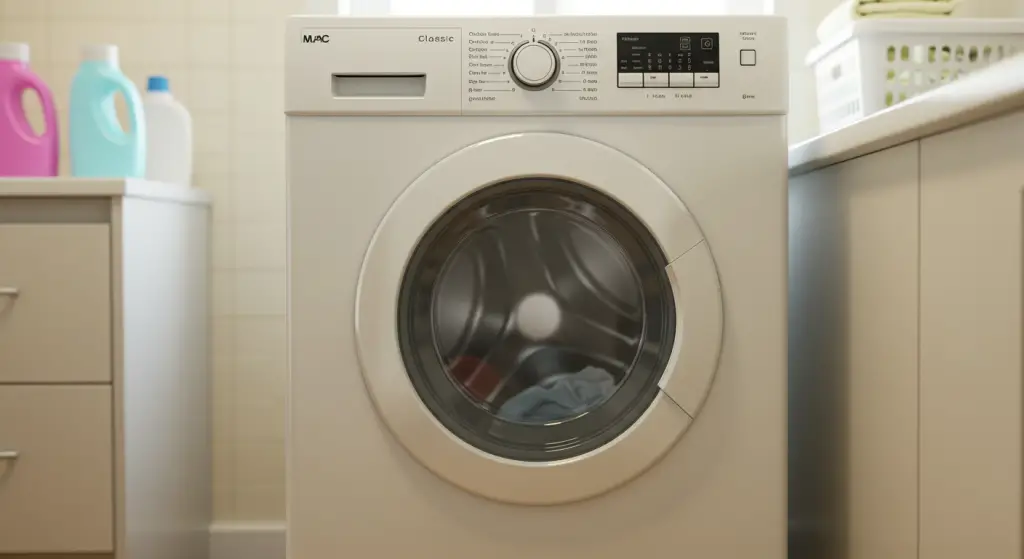
Washing machine vibrates during wash: fix by clicking this button
Having a washing machine that makes noise or vibrates excessively can be extremely irritating. The loud, constant rattling doesn’t just disturb you—it can also annoy neighbors or anyone nearby. Before you rush to replace it or call in a repair technician, it’s worth exploring the possible causes and easy fixes. Many times, the problem is surprisingly simple to solve.
Understanding the Normal Sounds
Modern washing machines are designed to be quieter and more efficient than older models. However, some light squeaks or small vibrations are perfectly normal during operation. That said, if your appliance begins to make strange noises or vibrate more than usual, it could signal an issue that requires attention. Ignoring the problem may lead to more serious damage or costly repairs later.
Common Causes of a Noisy, Shaking Washing Machine
Before assuming that your washing machine is broken, it’s important to check for simple issues that you can fix yourself. Let’s go through the most common reasons your washer might be making noise or shaking excessively.
1. Objects Left Inside the Drum
This is one of the easiest problems to fix—and one of the most common causes of strange sounds. If you forget to empty the pockets of your clothes before washing, small hard objects like coins, screws, or keys may end up inside the drum. As the drum spins, these objects hit the metal surface, creating loud clanging or rattling noises.
To prevent this, always check and empty all pockets before loading the machine. Not only does this stop the noise, but it also protects your washer’s interior and prevents damage to the filter or pump.
2. The Shipping Bolts Were Never Removed
If your washing machine is new and it shakes violently or moves around the floor, the likely culprit is shipping bolts. These bolts are installed by manufacturers to keep the drum secure during transport. If not removed before first use, they will prevent the drum from moving freely, causing extreme vibration and loud banging.
Check the back of your washing machine for any metal bolts or brackets that may still be attached. Refer to the manufacturer’s manual to see how to remove them safely before using the machine again.
3. Overloading the Washer
Putting too many clothes in the drum can lead to unbalanced loads, which cause strong vibrations and noise during the spin cycle. Overloading also puts extra strain on the motor and shock absorbers, potentially causing long-term damage.
Try to fill your washing machine only about two-thirds full. If you have a large amount of laundry, split it into two smaller loads. Conversely, avoid running the washer almost empty—too few items can also cause imbalance. Many machines now include a half-load setting that’s ideal for small amounts of laundry.
4. The Machine Isn’t Level
If your washing machine isn’t perfectly level on the floor, it may rock back and forth during operation, leading to strange noises or even movement across the room. This is especially common on hard surfaces like tile or concrete.
To fix the issue, check whether the washer sits flat and stable. You can adjust the machine’s feet to balance it properly. Using a spirit level can help ensure accuracy. In some cases, placing a non-slip rubber mat underneath can help absorb vibration and keep the appliance stable.
5. Water Supply Problems
Noise can also come from the water inlet system. If the water inlet valve allows water to enter too forcefully, it can make a loud knocking or humming sound. Adjusting the water pressure with the shut-off valve can help.
Also inspect the water hose behind the machine—if it’s twisted, bent, or pressed too close to the wall, water flow can be obstructed, leading to noise and uneven washing performance. Straighten or reposition the hose to allow water to circulate freely.
When the Problem Is More Serious
If you’ve checked all the above and your washing machine still makes excessive noise, the cause could be more complex.
1. Worn-Out Bearings
One of the most common mechanical causes of a noisy washing machine is worn drum bearings. When the bearings start to fail, the drum may wobble during rotation, causing loud rumbling or grinding sounds—especially during the spin cycle.
Unfortunately, replacing drum bearings is not a simple DIY task. It requires disassembling a large portion of the machine. If you suspect this is the problem, contact a qualified technician to replace the bearings and check for other internal wear.
2. Loose Internal Parts
If internal components like the motor mount, counterweight, or suspension springs have loosened over time, they can create a range of noises—from rattles to heavy banging sounds. Detecting and fixing these issues often requires opening the machine, so it’s best left to professionals unless you have solid experience in appliance repair.
Continuing to use a washer with loose parts can lead to further internal damage or even make the appliance unsafe.
The Modern Solution: Built-In Error Detection
Most modern washing machines come with a diagnostic system designed to detect issues automatically. If your washer vibrates excessively or behaves unusually, check the control panel for a flashing red light or error code. Pressing the indicated button will display the type of malfunction—such as an unbalanced load, a blocked filter, or an internal fault.
Once you’ve identified the issue, you can either follow the manufacturer’s troubleshooting guide or, if necessary, call a trusted technician for assistance. Knowing the specific error will save both time and repair costs.
Final Thoughts
A noisy, vibrating washing machine can be annoying, but in most cases, the fix is quick and inexpensive. Simple habits—like checking pockets, loading the drum correctly, and ensuring the washer is level—can make a big difference. Regular maintenance and careful use will extend your appliance’s lifespan and keep it running smoothly.
By paying attention to the small details and addressing issues early, you can enjoy a quiet, efficient, and perfectly balanced washing experience every time.