Wax stains on fabrics: grandma’s trick that eliminates everything
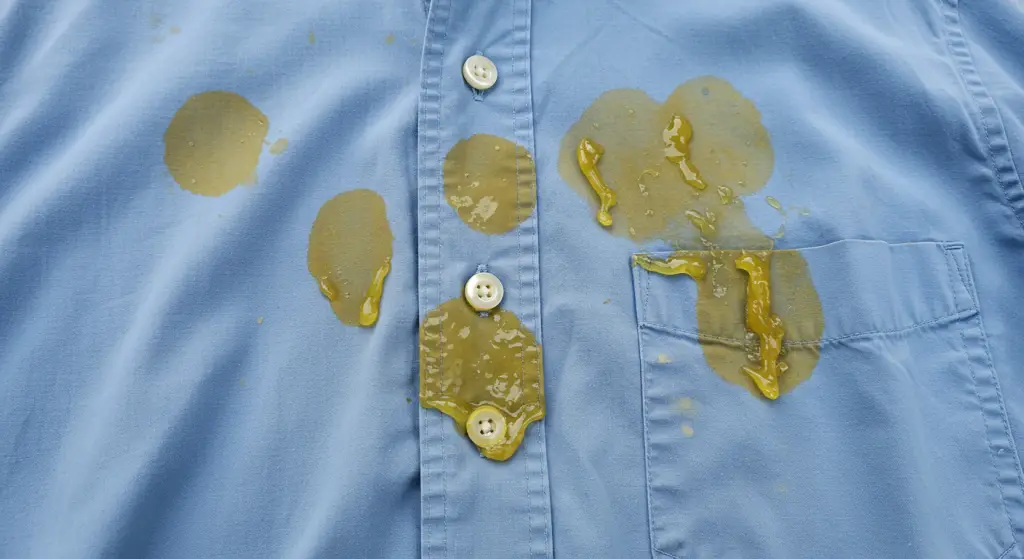
Wax stains are among the most frustrating household accidents—especially when they land on clothing. Many people panic when they see wax dripping onto their favorite dress or tablecloth, unsure how to fix the problem without ruining the fabric. Yet, as always, our grandmothers knew exactly what to do. Despite having far fewer resources and cleaning tools than we have today, they managed to restore garments to perfection—without stress, without waste, and without spending a cent.
The Problem with Candle Wax
Candles bring warmth and charm into any home. Whether it’s winter’s cozy evenings, romantic dinners, or festive holidays like Christmas—when red, gold, and silver candles glow on every table—they create atmosphere and beauty. However, the same candles that fill a room with light and fragrance can also cause messy accidents.
As candles burn, the wax melts. When extinguished or moved, the liquid wax can drip onto fabrics, leaving stubborn, greasy marks that seem impossible to remove. If not handled correctly, the wax can harden deep into the fibers and even damage the fabric permanently. But don’t worry—removing wax stains is completely possible with a little patience and the right technique.
What Not to Do
Before jumping into the solutions, it’s essential to understand what not to do. Many people instinctively reach for water or start scrubbing immediately—but that’s a huge mistake.
Never try to remove wax while it’s still hot. Touching or rubbing melted wax will only push it deeper into the fabric. And whatever you do, avoid cold water—it may seem like it will harden the wax for easy removal, but it actually makes it more difficult to lift off later.
Instead, the first rule is simple: wait. Let the wax cool and dry completely before taking any action. Once hardened, you can begin the removal process safely and effectively.
Method 1: The Knife Technique
The most basic and effective way to start is with a blunt knife or the edge of a spoon.
-
Allow the wax to cool and solidify completely.
-
Gently scrape around the edges of the stain, carefully lifting off as much hardened wax as possible.
-
Work slowly and delicately to avoid damaging the fabric fibers.
This step will often remove the bulk of the wax. What remains is usually the thin residue embedded in the fabric, which can then be tackled with heat or other simple remedies.
Method 2: The Hair Dryer Method (Handle with Care)
Some people use a hair dryer to melt and remove wax, and while it can work, it requires caution.
-
Turn the hair dryer to its highest heat setting.
-
Hold it at least 10 centimeters (about 4 inches) away from the fabric.
-
As the wax softens under the heat, place a piece of absorbent paper or a paper towel over the stain to soak it up.
-
Keep moving the paper to a clean area as it absorbs the melting wax.
This approach can be very effective, but it comes with risks. If the hair dryer is too close or the heat too intense, it can scorch delicate fabrics. Always proceed slowly and never leave the dryer in one spot for too long.
Method 3: The Iron Trick — A Grandmother’s Favorite
Perhaps the most reliable and traditional way to remove wax stains is with a warm iron—a technique that generations of homemakers have trusted.
-
Place a cotton cloth or several layers of paper towels directly over the wax stain.
-
Heat your iron to a low or medium setting (without steam).
-
Gently press the iron over the cloth for a few seconds at a time.
The heat from the iron melts the wax, and the cotton cloth absorbs it as it liquefies. Move the cloth to a clean area and repeat until the wax is fully lifted.
This simple trick is safe for most fabrics and provides fast, satisfying results. It’s the same method our grandmothers used for decades—and it still works like magic.
How to Remove Colored Wax Stains
If the wax is colored, such as from decorative candles, the pigment can remain even after the wax itself has been removed. In that case, the secret weapon is ethyl alcohol (rubbing alcohol).
-
Dampen a cotton ball or soft cloth with a small amount of alcohol.
-
Gently dab the stained area—do not rub harshly.
-
The alcohol helps dissolve the dye without harming the fabric.
Once the color has lifted, wash the garment as usual—preferably in cool or lukewarm water, especially if the material is delicate or pre-treated. Avoid hot water, which can set any remaining pigment into the fibers.
Method 4: Removing Old Wax Stains
If the wax has been sitting on the fabric for a while and has hardened, don’t worry—there’s an easy fix.
-
Place a cube of ice directly on top of the wax.
-
Leave it there for several minutes to freeze the wax completely.
-
Once hardened, gently scrape it off with a blunt knife.
Freezing makes the wax brittle and easier to remove without damaging the material. Afterward, wash the garment with mild soap and warm water, and it will look as good as new.
A Word on Commercial Products
Today, the market is full of specialized stain removers claiming to eliminate wax effortlessly. While some can be effective, they are often expensive—and not always safe for all fabrics. In many cases, the simple traditional methods described above work better, cost nothing, and are completely safe when done carefully.
The Wisdom of Simplicity
The beauty of these old-fashioned remedies lies in their simplicity. Our grandmothers didn’t have modern cleaning products or chemical stain removers, yet they managed to keep their homes and clothes spotless using only common household items—knives, cloths, irons, and a bit of patience.
So, the next time candle wax drips onto your favorite blouse or tablecloth, don’t panic. Take a deep breath, let it cool, and try one of these trusted methods. You’ll be amazed at how well they work—proving once again that the simplest solutions are often the best.