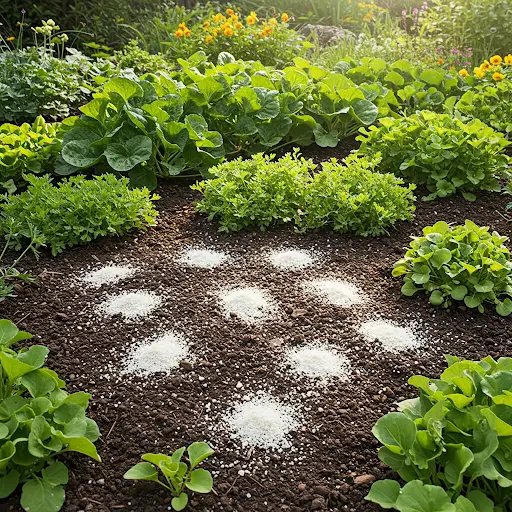
A pinch in the ground in the fall and you will be covered with tons of harvest next year! I sprinkle this in the soil in the fall!
Enhancing Soil Fertility with a Powerful Potassium-Magnesium Concentrate
Maintaining a nutrient-rich and fertile soil is essential for achieving high crop yields. One of the most effective ways to improve soil structure and productivity is by using a powerful potassium-magnesium concentrate. This natural fertilizer enhances soil quality, strengthens plant growth, and ensures a bountiful harvest year after year.
The Benefits of Potassium-Magnesium Fertilizer
This fertilizer contains essential nutrients such as potassium, magnesium, and sulfur, which work together to enhance plant growth and soil fertility. Potassium contributes to robust root development and increases plant resistance to diseases and environmental stress. Magnesium is a crucial component of chlorophyll, ensuring efficient photosynthesis and vibrant green leaves. Sulfur aids in enzyme function and protein synthesis, playing a significant role in plant metabolism.
Due to this combination of nutrients, potassium-magnesium fertilizer supports faster growth, improved fruiting, and higher yields across a variety of crops. When applied correctly, it continues to enrich the soil for several years, making it an excellent long-term investment for gardeners and farmers alike.
Application Methods for Maximum Effectiveness
There are several ways to apply potassium-magnesium fertilizer to achieve optimal results. The method of application depends on the season, soil condition, and specific plant requirements.
1. Autumn Application for Long-Term Soil Enrichment
One of the most effective ways to use this fertilizer is by applying it in the autumn. This allows the nutrients to integrate into the soil over the winter months, ensuring that plants can access them easily in the spring. To apply:
- Use approximately 300 grams per 100 square meters (one sotka).
- Evenly distribute the fertilizer across the soil surface after plowing or tilling.
- Water the soil lightly to aid absorption.
Applying potassium-magnesium fertilizer in the fall prepares the soil for an early start in spring, giving plants a head start for optimal growth.
2. Spring Application for an Immediate Nutrient Boost
If the soil was not treated in autumn, applying the fertilizer in spring can still yield excellent results. In this case:
- Use around 100 grams per 100 square meters (one sotka).
- Sprinkle the fertilizer directly onto the soil and mix it in lightly with a rake.
- Ensure that it is well incorporated into the topsoil layer before planting.
This method provides plants with an immediate nutrient supply, promoting vigorous root development and strong early growth.
3. Liquid Application for Quick Absorption
For a faster nutrient uptake, potassium-magnesium fertilizer can be dissolved in water and applied as a foliar spray. This method is particularly useful for plants that require an extra boost during the growing season. To prepare the solution:
- Dissolve 10 grams of fertilizer in 2 liters of water.
- Spray the mixture directly onto the leaves, ensuring even coverage.
- Apply during the early morning or late evening to prevent leaf burn.
Foliar application is especially effective for correcting nutrient deficiencies in crops such as tomatoes, cucumbers, peppers, and fruit trees.
Which Plants Benefit from Potassium-Magnesium Fertilizer?
This fertilizer is suitable for a wide range of plants, including:
- Vegetables: Tomatoes, cucumbers, peppers, carrots, potatoes, and onions.
- Fruits: Apples, pears, peaches, strawberries, and grapes.
- Grains: Wheat, barley, and corn.
- Ornamental Plants: Roses, hydrangeas, and other flowering shrubs.
- Trees and Shrubs: Citrus trees, berry bushes, and nut trees.
These plants thrive when provided with sufficient potassium and magnesium, leading to increased resistance against pests and diseases, as well as enhanced fruiting and flowering.
Signs of Potassium or Magnesium Deficiency in Plants
Identifying nutrient deficiencies early can help prevent yield losses. Here are some common signs:
- Potassium Deficiency: Yellowing edges on leaves, weak stems, and poor fruit development.
- Magnesium Deficiency: Yellowing between leaf veins while the veins remain green, reduced growth, and curling leaves.
If you notice these symptoms, applying potassium-magnesium fertilizer can quickly correct the deficiency and restore plant health.
Final Thoughts
Using potassium-magnesium fertilizer is a simple yet powerful way to boost soil fertility and maximize crop yields. Whether applied in autumn, spring, or as a liquid spray, this nutrient-rich supplement ensures that plants receive the essential elements they need for healthy growth. By integrating this method into your gardening routine, you can enjoy a more productive and thriving garden for years to come.
