Humidity in your home, easily solve the problem with the bottle method
Living in a home with high humidity can have significant consequences not only for your health but also for the condition of your furniture and household items. Damp environments promote mold growth, worsen respiratory problems, and even damage wooden or fabric furnishings. While modern technology offers advanced dehumidifiers and air quality monitors, there are also simple, cost-effective DIY methods that can help maintain optimal humidity levels indoors. One of the easiest and most efficient approaches is the bottle and salt method.
Why Controlling Humidity Matters
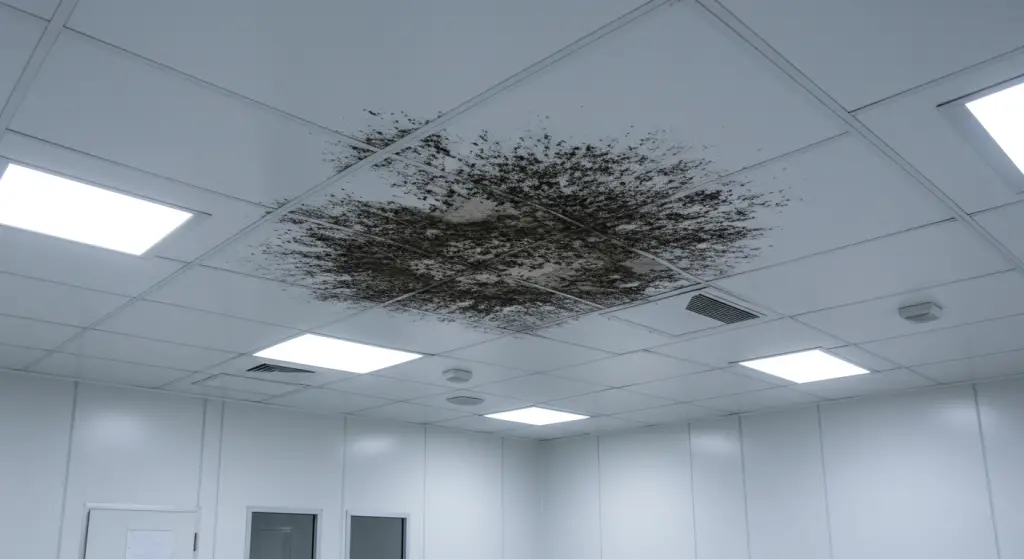
Humidity levels indoors directly affect comfort and health. Excess moisture in the air creates a breeding ground for mold, dust mites, and bacteria. People living in damp environments often report allergies, asthma flare-ups, and other respiratory issues. High humidity can also warp wooden furniture, cause paint to peel, and leave stains on walls or fabrics.
Maintaining proper humidity levels is therefore crucial. While commercial dehumidifiers are available, they can be costly and consume electricity. Fortunately, with a few household items, you can create a DIY dehumidifier that is inexpensive, natural, and effective.
The Bottle and Salt Method
Salt is naturally hygroscopic, meaning it attracts and absorbs water molecules from the surrounding air. This property makes it ideal for reducing moisture in rooms. Using just a plastic bottle and coarse salt, you can create a simple dehumidifier for your home.
Materials Needed:
-
One plastic bottle
-
Coarse salt (rock salt or sea salt works best)
-
A knife or scissors
Instructions:
-
Prepare the Bottle: Cut the top portion of the plastic bottle off. Invert it so the neck faces downward into the bottom portion of the bottle, creating a small funnel inside.
-
Add Salt: Fill the bottle with coarse salt. The salt will gradually absorb moisture from the surrounding air.
-
Placement: Place the bottle in the room you want to dehumidify. Over time, the salt will collect water, which can drain to the bottom of the bottle, keeping the air drier.
This simple setup can help control humidity in small rooms or closets, and it is safe, non-toxic, and requires virtually no maintenance.
Alternative DIY Options
If a bottle isn’t available, you can also use plastic containers or even mesh bags filled with salt:
-
Plastic Containers: Make small holes in the lid, fill with salt, and allow moisture to escape through the holes. Change the salt when it becomes saturated.
-
Mesh or Gauze Bags: Place salt in lightweight fabric bags and leave them in rooms prone to dampness. The salt absorbs moisture, while excess water can drip into a tray beneath.
-
Colander Method: Place a colander over a larger bowl, line it with a light cloth, and add a layer of salt. The salt will draw water, which collects in the bowl below, preventing moisture from spreading into the air.
These variations allow flexibility depending on the size of the room and the resources available.
Additional Measures to Reduce Indoor Humidity
While DIY salt dehumidifiers are helpful, combining them with proper ventilation and household practices greatly improves their effectiveness. Consider the following tips:
-
Ventilate Regularly: Open windows and doors whenever possible to allow fresh air to circulate. This is especially important in winter when humidity tends to build up indoors.
-
Manage Indoor Temperatures: Avoid keeping indoor spaces excessively warm, as warm air holds more moisture. Regulate heating to maintain a balance between comfort and humidity control.
-
Use Fans in Bathrooms: Bathrooms are among the most humid areas in a house. After showers, running a fan for 20–30 minutes helps reduce moisture accumulation on walls and ceilings.
-
Kitchen Ventilation: Cooking generates significant moisture. Use range hoods or exhaust fans to remove steam from boiling or simmering food. Keeping lids on pots also reduces humidity released into the air.
-
Proper Laundry Practices: Avoid drying clothes in enclosed rooms, particularly bedrooms. Hang laundry in well-ventilated areas or use outdoor drying spaces. If using an indoor drying rack, leave windows open to create airflow and prevent excess humidity.
-
Houseplants That Absorb Moisture: Certain plants, such as ferns, peace lilies (spathiphyllum), philodendrons, and ivy, naturally absorb moisture from the air while improving air quality. Placing these plants in damp rooms can complement your DIY dehumidifiers and enhance indoor air quality.
Benefits of the Bottle Method
This simple DIY approach is economical, eco-friendly, and effective. Unlike electric dehumidifiers, it requires no electricity and produces zero emissions. It also allows you to reuse common household items, making it a sustainable solution.
The bottle and salt method is particularly suitable for:
-
Closets and wardrobes: Prevents dampness that damages clothes, towels, and linens.
-
Bathrooms and kitchens: Reduces condensation and keeps surfaces dry.
-
Small rooms: Controls moisture in spaces where commercial dehumidifiers may be overkill.
When combined with good ventilation, heat management, and moisture-absorbing plants, this method can significantly reduce humidity levels in your home, creating a healthier and more comfortable living environment.
Conclusion
Controlling indoor humidity doesn’t have to be complicated or expensive. With a plastic bottle, some coarse salt, and a few simple adjustments to household habits, you can effectively reduce moisture, prevent mold, and protect both your health and your home furnishings.
By employing this technique, alongside proper ventilation, careful laundry management, and moisture-absorbing plants, you create an indoor environment that is comfortable, safe, and odor-free. The DIY bottle method is a prime example of how small, thoughtful solutions can make a significant difference in everyday life, proving that even simple household items can become powerful tools for maintaining a healthy home.
This method is accessible, cost-effective, and easy to maintain, making it an ideal choice for anyone looking to control humidity without investing in expensive equipment.