Red stoneware balcony flooring: what to do to make it shine again
If you’re looking for the best ways to clean red porcelain tile floors and restore their natural shine, there are several simple and effective methods you can try at home. Whether your red tile flooring is indoors or outdoors, keeping it bright and clean doesn’t necessarily require expensive commercial products—natural ingredients can do the job beautifully.
Understanding Red Porcelain Tile Floors
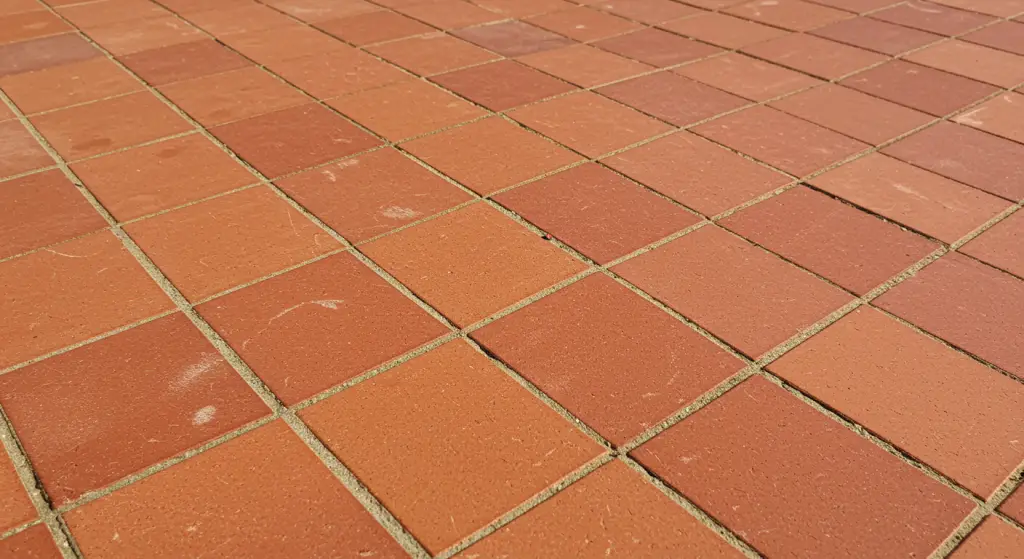
Porcelain tile—commonly called gres in Italian—is one of the most popular flooring materials for terraces, patios, and balconies. Known for its durability, water resistance, and timeless appeal, it’s perfect for both indoor and outdoor use. Red porcelain tile, in particular, gives a warm and rustic charm to spaces, but like any surface, it’s not immune to wear.
Over time, foot traffic, dust, and exposure to weather can make porcelain tiles lose their luster. Dirt and grime build up in the tiny pores of the tile, leading to a dull and uneven appearance. Fortunately, with the right cleaning approach and a few natural ingredients, you can bring back the brightness of your red tiles without harsh chemicals.
Common Issues with Red Porcelain Tile
Red porcelain floors, especially on outdoor balconies or terraces, are constantly exposed to moisture, sunlight, and debris. This exposure can result in:
-
Loss of shine – The tiles become dull and faded over time.
-
Stubborn stains – Spilled drinks, food, or even plant residue can leave visible marks.
-
Weathering and dust accumulation – Outdoor tiles often develop a chalky film due to exposure to wind and rain.
Regular maintenance using gentle, non-abrasive methods helps preserve the tiles’ finish and prevents permanent staining.
Step 1: Basic Cleaning with White Vinegar
White vinegar is a natural, eco-friendly cleaner that has been trusted for generations. It’s excellent at cutting through dirt and soap residue without damaging the tile surface. For red porcelain floors, vinegar helps dissolve mineral buildup and brings out a soft, natural shine.
Here’s how to use it:
-
Fill a bucket with about 5 liters (roughly 1.3 gallons) of very hot water.
-
Add one cup of white vinegar.
-
Mix well, then dip a clean mop or cloth into the solution.
-
Wring it out and wash the floor as usual, paying extra attention to dull or stained areas.
-
Allow the surface to air-dry completely or dry it with a soft cloth for extra shine.
This simple vinegar solution not only removes dirt but also disinfects the floor naturally, making it a great choice for households with pets or children.
Step 2: Pre-Treating Stubborn Stains
If your red porcelain floor has food or grease stains—perhaps from a recent dinner on the balcony—it’s best to pre-treat them before mopping with vinegar. Using a natural degreaser like Marseille soap can effectively break down grime without scratching or fading the surface.
You’ll need:
-
A tablespoon of liquid Marseille soap
-
A soft brush or sponge
-
Hot water
How to do it:
-
Mix the soap into a small bucket of hot water.
-
Dip the brush or sponge into the soapy water.
-
Gently scrub the stained areas in circular motions until the dirt lifts.
-
Rinse with clean water and allow the surface to dry.
Marseille soap is biodegradable, gentle, and pleasantly scented—ideal for natural home cleaning. It also helps condition the tile, giving it a soft sheen after drying.
Step 3: Maintaining Shine and Color
After cleaning, it’s important to maintain the beauty of your red porcelain floor. Repeated exposure to the elements can make outdoor tiles lose their vibrant hue, so regular care is key. Here are a few maintenance tips:
-
Avoid harsh detergents: Many commercial cleaners contain acids or bleach that can dull the natural color of red porcelain. Stick to mild, natural ingredients.
-
Sweep or vacuum regularly: Dust and sand can act as abrasives that scratch the tile’s surface over time.
-
Dry the floor after washing: Water spots can leave mineral stains, especially on darker tiles.
-
Apply a vinegar rinse monthly: A quick vinegar wash once a month helps prevent dullness and keeps the tiles looking fresh.
Step 4: Deep Cleaning Outdoor Porcelain
For exterior tiles that have become especially dull or have accumulated residues from rain and pollution, a deeper clean may be necessary. Combine natural cleaning power with a bit of mechanical help for the best effect.
DIY Deep-Clean Solution:
-
5 liters of hot water
-
1 cup of white vinegar
-
1 tablespoon of baking soda (optional, for extra degreasing)
Mix these ingredients and scrub the floor using a stiff-bristled outdoor brush. Rinse thoroughly with clean water. This method helps remove any remaining grime and brightens the tiles without using harsh chemicals.
Why Natural Cleaning Matters
Choosing natural cleaning methods doesn’t just benefit your home—it’s also better for the environment. Vinegar and Marseille soap are biodegradable and free from toxins that often end up in wastewater systems. Additionally, avoiding strong chemical cleaners helps maintain the natural finish of porcelain tiles, prolonging their lifespan and appearance.
Natural cleaning products also reduce indoor air pollution, which can be caused by synthetic fragrances and volatile compounds found in many commercial floor cleaners. By using vinegar and soap, you create a healthier, more pleasant home environment.
Final Thoughts
Red porcelain tile floors can add a touch of elegance and warmth to any home, but only if properly maintained. Over time, exposure to dirt, weather, and regular use can make them lose their shine. Luckily, restoring them doesn’t require anything fancy—just some white vinegar, Marseille soap, and a little patience.
These two natural ingredients can bring back the deep color and glossy finish of your red porcelain tiles, making them look as good as new. Regular cleaning and gentle care will ensure your floors remain bright, inviting, and durable for many years to come.