Yellow soap balls for cleaning your home: it’s never been so easy and affordable.
In a time when many households are feeling the financial strain of rising living costs, saving money wherever possible has become a priority. Between energy price hikes and inflation, even basic cleaning products can weigh heavily on the monthly budget. Fortunately, there’s an easy, low-cost, and eco-friendly way to keep your home spotless without relying on expensive commercial cleaners: homemade soap balls.
This simple DIY method not only helps reduce your spending but also limits your exposure to harsh chemicals. With a few natural ingredients—most of which you probably already have in your kitchen—you can create an all-purpose cleaning soap that’s gentle on your hands, kind to the environment, and perfect for every surface in your home.
Why You Should Rethink Commercial Cleaning Products
Most store-bought cleaning products promise brilliant results, but they often come with downsides. They can be expensive, especially if you buy separate cleaners for the kitchen, bathroom, floors, and laundry. Many also contain strong synthetic chemicals that can cause skin irritation, allergies, or respiratory discomfort. On top of that, they often leave behind overpowering scents and residues that require extra rinsing.
While eco-friendly refills and bulk options have become more popular, they still tend to cost more than traditional cleaners—and they’re not always easy to find. That’s why more and more people are turning to DIY cleaning solutions, using simple ingredients to achieve the same results without compromising effectiveness.
The Magic of Homemade Soap Balls
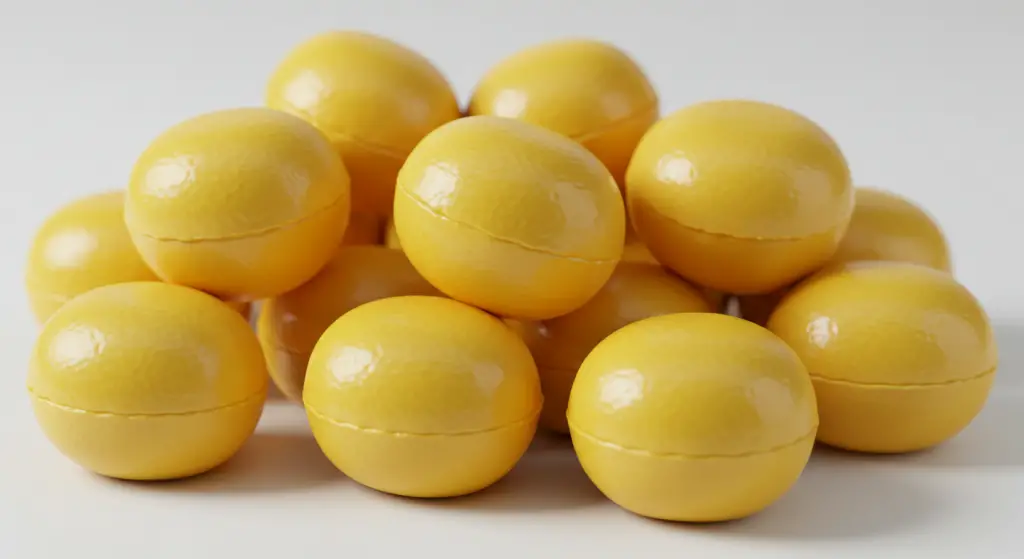
The idea is simple: you can make solid yellow soap balls at home that can be used for nearly everything—from washing floors and sanitizing bathrooms to doing laundry. They are eco-conscious, inexpensive, and incredibly versatile.
Here’s what you’ll need:
-
A bar of Marseille soap (or any natural soap)
-
Coconut oil
-
Potassium salts (also known as potassium chloride)
Marseille soap is a traditional soap made from olive oil or other vegetable oils and is famous for its antibacterial and degreasing properties. Coconut oil adds moisturizing and cleansing power, while potassium salts help boost the soap’s effectiveness and give it the ideal texture for shaping into balls.
Potassium chloride might sound technical, but it’s easy to find. It’s a natural mineral, often sold as a dietary supplement in pharmacies, supermarkets, or health food stores.
How to Make the Soap Balls
The process is simple and doesn’t require special tools or advanced skills.
-
Grate or finely chop your bar of Marseille soap into small flakes. The smaller the pieces, the easier they’ll mix with the other ingredients.
-
Add coconut oil in small amounts. Coconut oil softens when it comes into contact with body heat or mild warmth, so it will blend easily.
-
Incorporate potassium salts slowly into the mixture. Stir continuously until you get a smooth, workable paste.
Be careful not to overdo it with the coconut oil—while it’s cleansing, it’s still a fatty ingredient. Too much can leave greasy residue on surfaces or laundry.
Once your mixture has reached the right consistency, form small to medium-sized yellow soap balls with your hands. These will serve as single doses for cleaning. Place them on a tray lined with parchment paper and let them dry for a few hours. When they’re ready, store the soap balls in an airtight container in a cool, dry place, away from heat or direct sunlight.
How to Use Your Homemade Soap Balls
Now that you’ve created your multipurpose cleaner, it’s time to test it around the house.
For Cleaning Surfaces
If you want to use the soap for cleaning stainless steel, countertops, or tiles, simply dissolve one soap ball in a basin of hot water. Stir until the ball has completely melted, then dip a soft sponge or cloth into the solution. Use it to wipe down your surfaces, scrubbing gently to remove dirt or grease. Finally, rinse with a clean, damp cloth to eliminate any residue.
This natural soap solution will leave your kitchen, bathroom, and even steel appliances shining without any chemical smell.
For Bathroom Fixtures
The same soap can be used to deep-clean toilets, sinks, and bathtubs. In this case, dissolve a soap ball in boiling water for a more concentrated mixture. Using a soft cloth or sponge, scrub the surfaces thoroughly. The soap’s natural antibacterial and degreasing properties will eliminate grime and soap scum, leaving everything sanitized and fresh.
For Laundry
One of the most surprising uses for these homemade soap balls is in the washing machine. If you used Marseille soap to make them, they’ll work wonders on clothes, removing stains and leaving a pleasant, natural scent.
To use, simply place one soap ball directly into the drum of your washing machine along with your clothes. Run the wash cycle as usual. For larger loads or heavily soiled garments, you can use two smaller soap balls instead of one medium-sized one.
The number of soap balls you’ll need depends on the size of the load and the hardness of your water. You can experiment by making soap balls of different sizes until you find the perfect amount for your household’s needs.
Why This Method Works
This homemade solution stands out for being:
-
Eco-friendly: It’s biodegradable, non-toxic, and free from synthetic fragrances and harsh chemicals.
-
Economical: The ingredients are affordable and last for months, saving you money on store-bought products.
-
Safe: Ideal for people with allergies or sensitive skin.
-
Versatile: Suitable for cleaning every room and even doing laundry.
By adopting this simple DIY practice, you not only protect your health and the planet but also rediscover the satisfaction of cleaning your home with something you made yourself.
Final Thoughts
In an age where convenience often comes at the expense of health and sustainability, making your own cleaning products can be a small but powerful act of independence. These homemade yellow soap balls are proof that effective cleaning doesn’t have to mean spending more or exposing your home to chemicals.
With just a few natural ingredients—soap, coconut oil, and potassium salts—you can achieve sparkling results throughout your home, from your floors to your laundry, all while saving money and helping the environment.
Give it a try—the results will speak for themselves.