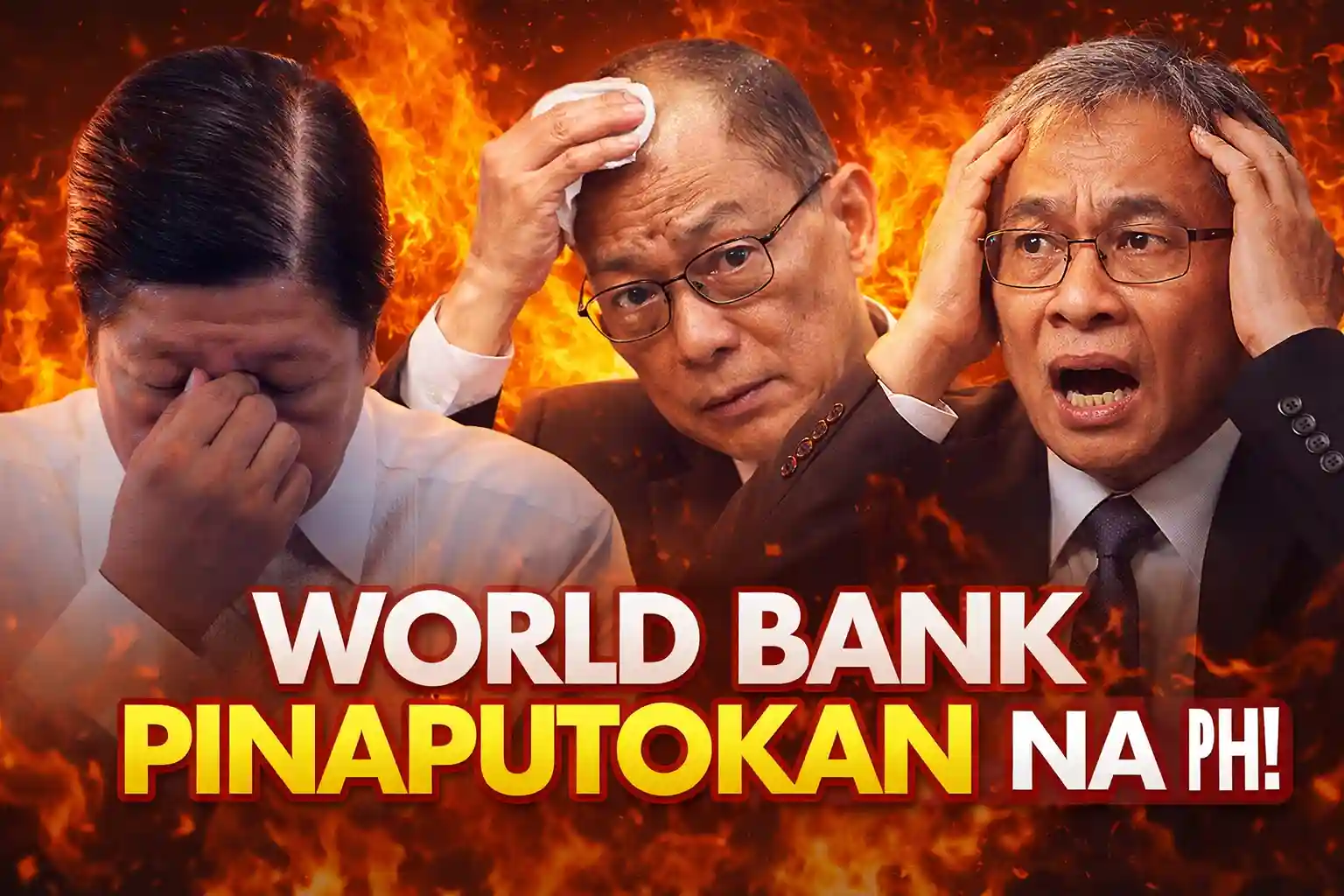
The latest set of assessments released by the World Bank has sparked intense public debate, placing government policies and development strategies under renewed scrutiny. As the findings circulate across global media and policy forums, citizens, civil society groups, and economic experts are raising questions about whether current approaches to economic growth, social protection, and institutional reform are aligned with the realities faced by communities on the ground.
The reports come at a critical moment. Many countries are navigating fragile economic recoveries, rising living costs, climate-related disruptions, and increasing public pressure for transparency in governance. Against this backdrop, the World Bank’s recommendations have not only attracted attention from policymakers but also ignited wider conversations among ordinary citizens who are directly affected by policy outcomes.
What has emerged is a broader public discussion about trust, accountability, and whether global development guidance reflects local realities. The debate underscores a growing demand for policy direction that is both evidence-based and responsive to social concerns.
What the World Bank Findings Reveal
The World Bank’s newly published assessments outline a range of economic and institutional challenges affecting developing and emerging economies. Key themes include fiscal sustainability, poverty reduction strategies, social safety nets, governance reforms, and long-term development planning.
One central finding highlights the pressure placed on public finances by rising debt levels and slower-than-expected growth in several regions. While the institution emphasizes the importance of fiscal discipline, critics argue that austerity-focused recommendations can risk undermining social protection systems if implemented without adequate safeguards.
Another focal point of the assessments is the need for structural reforms aimed at improving public sector efficiency and accountability. The World Bank suggests strengthening institutions, enhancing regulatory frameworks, and reducing barriers to investment. Supporters view these recommendations as necessary steps toward long-term stability, while skeptics caution that reform agendas may not fully account for political realities and social vulnerabilities in certain countries.
The findings also touch on inequality and access to basic services. The reports acknowledge that economic growth alone has not translated into equitable outcomes for all communities. As a result, the World Bank urges governments to pair growth strategies with targeted social programs designed to reach marginalized populations.
Public Reaction and Rising Scrutiny
The release of the assessments has fueled discussion beyond policy circles. Public forums, online platforms, and civil society organizations have taken up the findings, questioning whether global financial institutions fully understand local challenges.
For many citizens, the recommendations raise concerns about who ultimately bears the cost of reform. Communities affected by inflation, limited job opportunities, and cuts to social services worry that policy changes could widen existing inequalities if not carefully designed. These concerns have prompted calls for governments to engage more openly with the public before adopting large-scale reforms.
Experts have also weighed in on the implications of the findings. Economists acknowledge the technical soundness of many recommendations but stress the importance of context-specific implementation. They argue that development strategies should be adapted to local economic structures, governance capacity, and social dynamics rather than applied uniformly.
Civil society groups, meanwhile, emphasize the need for transparency in how international assessments influence domestic policy. They call for clearer communication between governments, international institutions, and the public to ensure that policy decisions are understood and debated openly.
Policy Direction Under the Spotlight
The controversy surrounding the findings has drawn attention to the broader question of policy direction. In recent years, many governments have faced competing pressures: balancing fiscal responsibility with social spending, encouraging private investment while protecting vulnerable communities, and pursuing economic growth without compromising environmental sustainability.
The World Bank’s recommendations reinforce the importance of long-term planning and institutional reform, but critics argue that short-term social impacts must not be overlooked. The debate highlights a tension between macroeconomic stability and the immediate needs of households coping with rising costs of living and uncertain employment prospects.
In several countries, policymakers have responded by reaffirming their commitment to reform while pledging to protect social welfare programs. Some governments have announced plans to review the recommendations in consultation with local stakeholders, signaling a willingness to adapt global guidance to domestic priorities.
The discussion has also prompted renewed interest in alternative development models that prioritize inclusive growth and community participation. Analysts suggest that successful policy direction depends not only on sound economic principles but also on public trust and social legitimacy.
Implications for Global Development
The public response to the World Bank’s assessments reflects a broader shift in how global development guidance is perceived. Citizens today have greater access to information and platforms for expressing their views, making policy debates more visible and participatory.
This increased scrutiny places pressure on international institutions to communicate their findings more clearly and to engage with diverse stakeholders. Transparency in methodology, data sources, and assumptions behind recommendations is increasingly seen as essential to maintaining credibility.
For governments, the debate underscores the importance of balancing international advice with domestic priorities. Policymakers face the challenge of translating broad recommendations into actionable strategies that resonate with local communities. Failure to do so risks eroding public trust and fueling skepticism toward reform initiatives.
At the same time, the discussion highlights the potential for constructive dialogue. By engaging experts, civil society, and citizens in policy design, governments can strengthen the legitimacy of reforms and improve their chances of successful implementation.
The Role of Experts and Civil Society
Experts play a critical role in interpreting complex economic assessments for the public. Their analysis helps bridge the gap between technical recommendations and everyday concerns, making policy discussions more accessible.
Civil society organizations, on the other hand, serve as important intermediaries between communities and policymakers. By voicing public concerns and advocating for inclusive approaches, they contribute to a more balanced policy debate. Their involvement can help ensure that reforms consider social impacts alongside economic objectives.
The ongoing debate demonstrates that development policy is no longer the exclusive domain of technocrats. Instead, it is increasingly shaped by public opinion and social dialogue. This shift reflects a growing recognition that sustainable development requires broad-based support and participation.
Looking Ahead
As governments review the World Bank’s findings, the coming months are likely to see continued debate over policy direction. The outcome of these discussions will shape economic strategies, social programs, and institutional reforms across multiple regions.
The key challenge lies in translating global recommendations into policies that address local realities. This requires careful consultation, transparent communication, and a willingness to adjust approaches based on feedback from communities and experts alike.
Ultimately, the public response to the assessments highlights the importance of trust in policymaking. When citizens feel heard and informed, reforms are more likely to gain acceptance and achieve their intended impact. The current debate, while contentious, presents an opportunity for more inclusive and responsive development strategies.
Conclusion
The World Bank’s latest findings have triggered a global conversation about policy direction, accountability, and the balance between economic reform and social protection. As experts and citizens scrutinize the recommendations, the debate underscores a growing demand for transparency and inclusive policymaking.
Governments now face the task of navigating this complex landscape, ensuring that development strategies are both economically sound and socially responsive. The ongoing discussion serves as a reminder that effective policy is not only about technical solutions but also about public trust and engagement.
Frequently Asked Questions (FAQs)
1. Why have the World Bank’s findings sparked public debate?
The findings address sensitive issues such as fiscal reforms, social protection, and institutional changes, which directly affect people’s daily lives. This has prompted citizens and experts to question how these recommendations will be implemented and who will bear the costs.
2. Are the World Bank’s recommendations binding on governments?
No, the recommendations are advisory. Governments decide how to interpret and apply them based on national priorities, political considerations, and local conditions.
3. What are the main concerns raised by citizens?
Many citizens worry that reforms could lead to reduced social spending or increased economic pressure on vulnerable groups if not carefully managed.
4. How can governments respond to public concerns?
Governments can engage in open consultations, provide clear explanations of policy choices, and ensure that reforms include safeguards for vulnerable populations.
5. What does this debate mean for future development policies?
The debate highlights the need for more inclusive policymaking, greater transparency, and closer collaboration between international institutions, governments, experts, and the public.