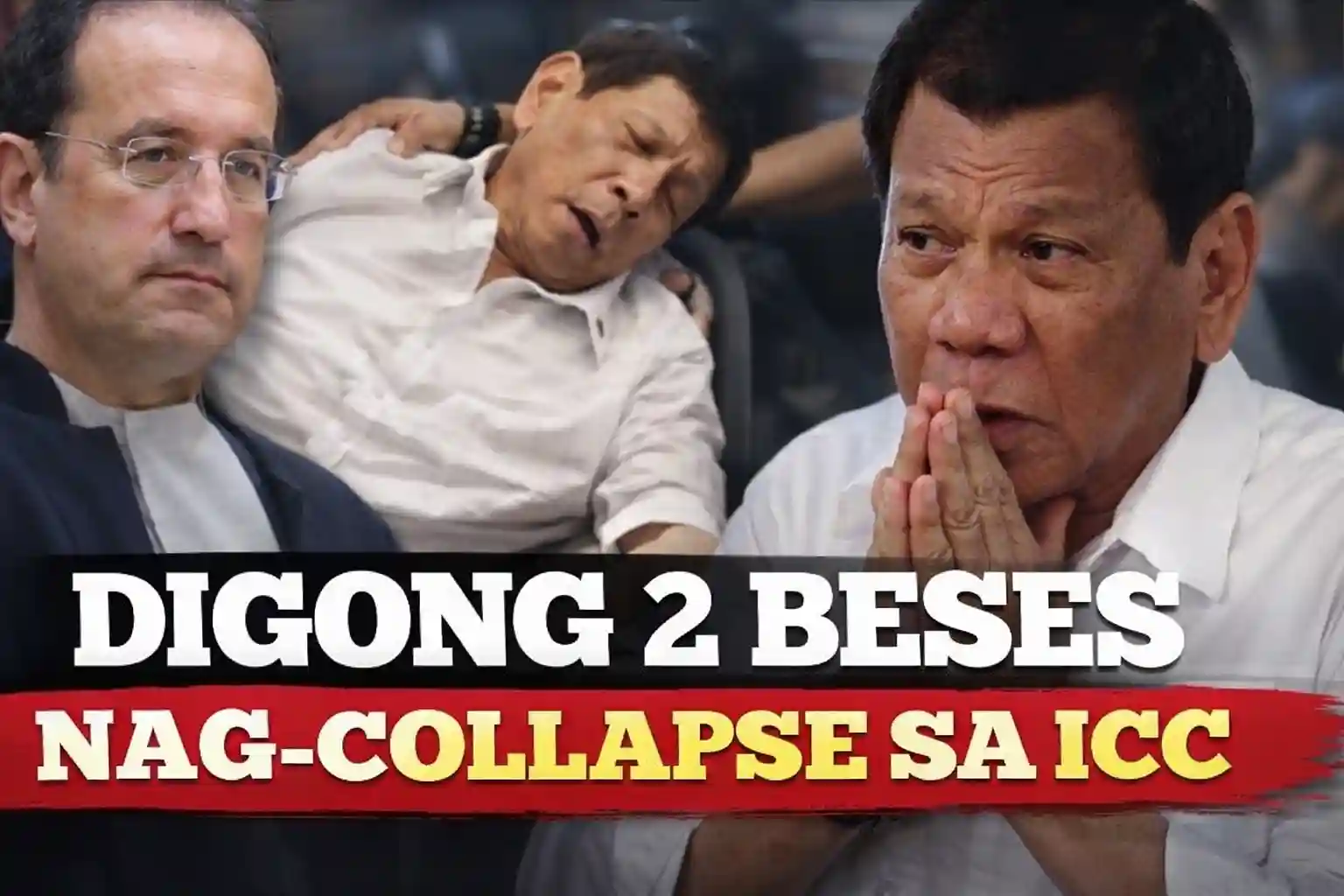
Experts warn against spreading unverified Duterte–ICC claims — Fact check
In recent days, social media platforms and online forums have seen a surge of posts sharing claims about former Philippine President Rodrigo Duterte and the International Criminal Court (ICC). Many of these statements range from speculative interpretations of proceedings to outright falsehoods. Amid this digital noise, legal experts, fact-checking organizations, and seasoned observers are urging the public to pause, verify, and think critically before sharing or believing unverified narratives tied to Duterte and developments at the ICC.
The warning arrives at a time when international legal proceedings, particularly those involving high-profile figures like Duterte, are under intense public scrutiny. But as this case demonstrates, clarity doesn’t always travel as fast as misinformation. The gap between verified legal updates and social media interpretations has widened, prompting concerns about misunderstandings, misrepresentation, and confusion among citizens both in the Philippines and abroad.
Why caution matters: the case of Duterte and the ICC
Duterte, the country’s former president (2016–2022), remains a polarizing figure in Philippine history. His controversial “war on drugs,” which critics say led to thousands of deaths, has drawn global attention and legal ramifications. The International Criminal Court, based in The Hague, opened pre-trial hearings into allegations that Duterte bears responsibility for extrajudicial killings during his tenure as mayor of Davao City and later as president. Prosecutors have framed these actions as potential crimes against humanity — a serious charge under international law.
Yet the processes and legalese of international courts are complex, and they don’t always lend themselves to bite-sized social media summaries. This complexity is why experts say misinformation can spread rapidly — not always out of malice, but through misunderstanding and a lack of contextual clarity.
“Unverified information often emerges in fragments,” said one commentator familiar with the situation in a recent analysis. “It may originate from incomplete excerpts or interpretations of legal developments.”
What’s true: verified developments in the case
To separate fact from fiction, it’s important to understand what has been officially confirmed about the situation:
-
Duterte’s arrest: In March 2025, Duterte was arrested under an ICC warrant for alleged crimes against humanity linked to the Philippines’ anti-drug campaign. This arrest was carried out by Philippine authorities in coordination with international law enforcement.
-
Pre-trial hearings: The ICC has begun pre-trial proceedings to determine whether sufficient evidence exists to advance to a full trial. Prosecutors have alleged Duterte was “at the very heart” of policies that resulted in widespread killings.
-
Jurisdiction rulings: Prior challenges by Duterte’s legal team — including arguments that the ICC lacks jurisdiction because the Philippines withdrew from the court — have been rejected by judges. This means the proceedings continue based on crimes alleged to have occurred while the Philippines was still a member.
-
Court attendance: While Duterte’s lawyers have argued against his attendance at certain hearings, ICC rules generally require suspects to be present during trial proceedings. Officials have clarified that exceptions are carefully regulated under the Rome Statute, the court’s governing treaty.
These developments are all documented through official channels, including ICC announcements and widely cited news reports from reputable organizations.
Where misinformation appears
Despite these verified points, numerous unverified claims continue to circulate. Some of the most common include:
-
Alleged dramatic developments: Some viral posts suggest dramatic twists in the case — such as sudden dismissals of charges or secret negotiations — without sourcing official documentation. These posts attract attention because they seem sensational or emotionally charged, but they lack verification.
-
Fabricated quotes from court officials: Social media posts have falsely attributed statements to ICC personnel that were never made, or presented satirical content as fact. For example, a fabricated quote attributed to a supposed ICC prosecutor promising support for Duterte’s defense was debunked by fact-checkers.
-
Misrepresented court actions: Other posts falsely claimed that local authorities fabricated ICC documents or that the timeline of legal actions was manipulated for political ends, which fact-checkers have repeatedly denied.
-
“Kidnapping” narratives and fake warrants: Some social media narratives framed Duterte’s ICC arrest as a “kidnapping” by international forces, or circulated unverified images and claims about arrest warrants. These, too, have been debunked or clarified by official sources and media reports.
Experts warn that without proper context or verification, such posts can spread widely and mislead even well-intentioned users, especially when shared with urgency or emotion.
What reliable information looks like
Verifiable updates about legal proceedings typically come from:
-
Official ICC press releases: These documents provide authoritative details on procedural status, filings, and court decisions.
-
Statements from government representatives: Communications from government legal teams or justice ministries can clarify positions and developments.
-
Established media outlets: Reputable news organizations with access to court filings or expert analysis provide context and confirmation.
When information lacks any of these sources, users should be cautious in accepting it as fact.
The role of media literacy
In today’s digital landscape, simply scrolling past an eye-catching headline isn’t enough. Media literacy — the ability to critically evaluate and verify information — is now a key civic skill. Experts suggest that before resharing or engaging with a post about high-profile legal matters, users ask:
-
Who is the source? Is this information coming from an official court statement, or an anonymous social media account?
-
Is there primary documentation? Are filings, transcripts, or official news reports cited?
-
Are reputable news outlets reporting this? Independent coverage from established media reduces the risk of rumor.
This approach doesn’t suppress discussion; it ensures that conversations are based on sound understanding rather than speculation.
Why this matters beyond social media
The Duterte–ICC situation illustrates broader challenges about how information flows in the digital age. High-stakes legal matters, especially those with political implications, attract attention from all sides. But when factual accuracy gets lost in translation, public perception can be shaped by misinformation or emotionally driven narratives instead of verified events.
Balanced, informed discourse — grounded in official updates and verified reporting — supports democratic engagement and helps ensure that public understanding keeps pace with unfolding developments.
Conclusion and FAQs
As legal processes involving former President Rodrigo Duterte and the International Criminal Court continue to unfold, experts emphasize the importance of distinguishing fact from speculation. Verified information — rooted in official sources and reputable reporting — stands apart from unsubstantiated posts and social media narratives.
Below are frequently asked questions related to this topic:
1. Isn’t the ICC case against Duterte already decided?
No. Pre-trial hearings are ongoing to determine whether there is enough evidence to proceed to a full trial. Final decisions on substantive charges have not yet been made.
2. Can social media rumors influence the ICC proceedings?
No. ICC processes follow established procedures in The Hague; online narratives do not impact legal evidence or judicial decisions.
3. What should I trust for accurate updates?
Official ICC statements, government press releases, and reputable news outlets provide the most reliable and verified information.
4. How can I avoid spreading misinformation?
Pause before resharing posts that lack credible sourcing, check multiple trusted sources, and prioritize information linked to official documentation.
By applying caution and critical thinking, readers can better separate verified facts from speculation — ensuring responsible engagement in discussions about significant legal and political developments.