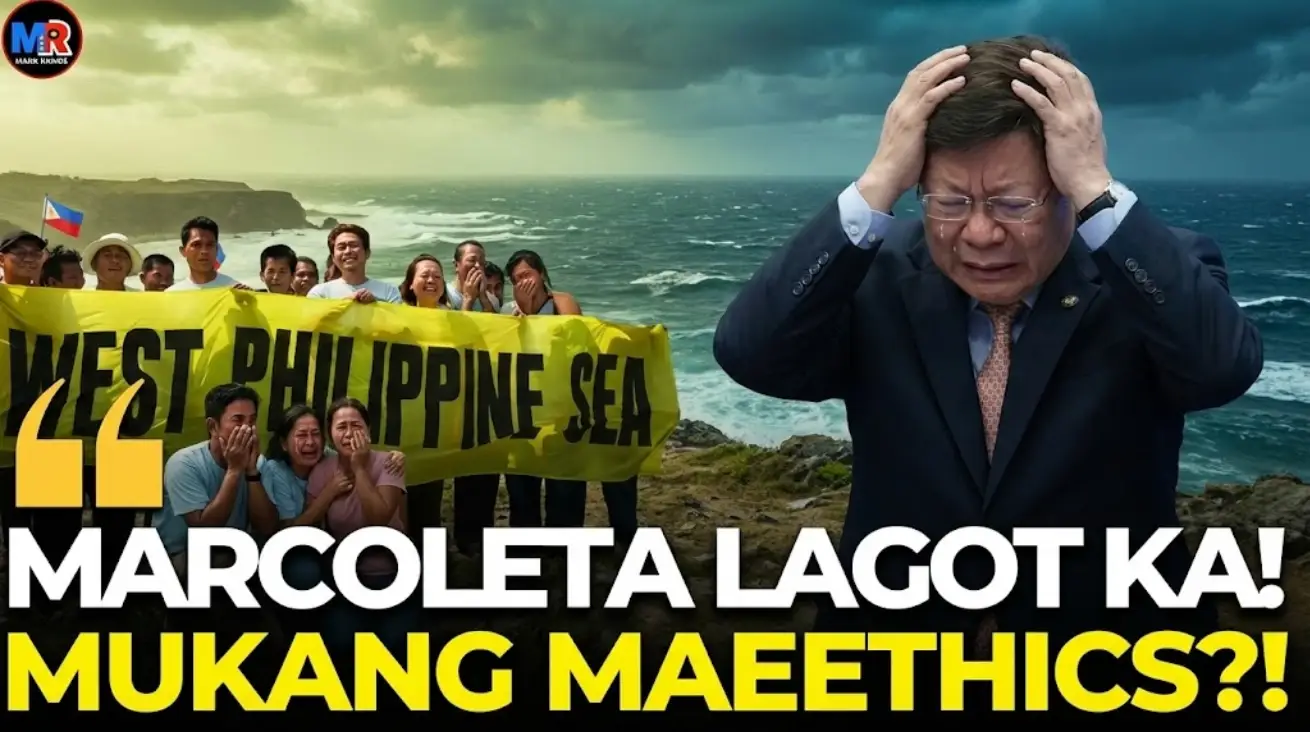
The political landscape of the Philippines has shifted dramatically in recent weeks, turning a hunter of anomalies into the subject of one of the most intensifying investigations in the 20th Congress. Senator Rodante Marcoleta, a figure synonymous with sharp, often aggressive legislative inquiries, now finds himself on the defensive. The phrase “Yari ka na” (You’re done for) has been trending across social media platforms, signaling a massive turning point in public perception. At the heart of this storm is a controversy that strikes at the very core of electoral integrity: the admission of “hidden donors” funding a senatorial campaign, sparking immediate calls for a full-blown Senate probe and legal action from the Commission on Elections (Comelec).
The Anatomy of the Controversy
The issue erupted after the release of the Statements of Contributions and Expenditures (SOCE) for the May 2025 Senatorial Elections. In a move that legal analysts and election watchdogs have described as both “comical” and “legally perilous,” Senator Marcoleta declared “zero” contributions in his official filing. This declaration stands in stark contrast to the reality of a national campaign, which requires hundreds of millions of pesos for television advertisements, sorties, logistics, and staff.
When pressed for an explanation regarding the discrepancy, the Senator’s defense fueled the fire rather than extinguishing it. He publicly admitted that his campaign war chest—estimated by independent monitors to be upwards of P112 million—was funded by friends and supporters who specifically requested anonymity. According to Marcoleta, he honored their request for privacy by omitting their names from his SOCE, effectively erasing the financial trail of his bid for the Senate.
This admission has triggered a legal and political firestorm. By claiming that “privacy” overrides the statutory requirement for transparency, the Senator has inadvertently challenged the foundational laws of Philippine elections. The narrative that a public official can be beholden to “secret” benefactors has struck a nerve with a public already weary of corruption and backroom deals.
Legal Implications: A Question of Perjury
Legal experts have been quick to dismantle the “anonymous donor” defense. The Omnibus Election Code of the Philippines is explicit in its mandates. Section 94 defines “contribution” broadly, covering any gift, donation, or thing of value given to influence election results. More critically, Section 98 unequivocally states that “No person shall make any contribution in any name except his own.” This provision was designed precisely to prevent the entry of illegal money—such as funds from criminal syndicates, foreign entities, or government contractors—into the electoral process.
Comelec Chairman George Garcia has issued a stern warning that echoes the severity of the situation. In various media interviews, Garcia emphasized that the law does not recognize the “shyness” of a donor as a valid exemption. The failure to declare the true source of funds constitutes a violation of the oath taken when filing the SOCE. Consequently, this is no longer just an administrative oversight; it is potentially a criminal case of perjury.
The gravity of a perjury charge cannot be overstated for a sitting Senator. If found guilty of willfully making a false statement in a sworn document, the penalties could include imprisonment and perpetual disqualification from holding public office. For a political veteran who has built a career on legalistic arguments, the irony of falling into such a clear legal trap is a focal point of current political discourse.
The Senate Dynamics: From Blue Ribbon to Ethics Complaint
The timing of this scandal is particularly damaging for Senator Marcoleta’s standing within the Senate. Having assumed the chairmanship of the powerful Senate Blue Ribbon Committee, he was poised to lead investigations into the previous administration’s flood control projects and alleged corruption. However, his moral authority to question the financial integrity of others has been severely compromised by his own financial opacity.
Senators from the minority bloc and even some allies have begun to distance themselves. There is a growing consensus that a Senator cannot effectively investigate corruption while refusing to be transparent about his own financial backers. Calls are mounting for the Senate Ethics Committee to take cognizance of the issue. If the Comelec finds probable cause, the Senate may be forced to act to preserve the institution’s integrity.
The “hidden donors” debacle also raises questions about conflict of interest. Without a public list of donors, the Filipino people have no way of knowing if the Senator’s legislative actions are serving the public interest or repaying debts to his secret financiers. Are these donors construction magnates? Gaming lords? Foreign lobbyists? The uncertainty creates a cloud of suspicion that hangs over every bill and resolution he authors.
Public Outcry and the “Yari Ka Na” Sentiment
On social media, the reaction has been swift and unforgiving. The hashtag #YariKaNaMarcoleta encapsulates the sentiment of a digital populace that feels vindicated. For years, Marcoleta has been a polarizing figure, particularly remembered for his role in the denial of the ABS-CBN franchise renewal. Many netizens view this current scandal as a form of “karmic justice.”
Unlike previous political skirmishes where his base remained solid, this issue has caused cracks even among his supporters. The transparency argument is difficult to counter. “If you have nothing to hide, why hide the donors?” is the prevailing question in comment sections and forums. The controversy has crossed over from political pages to mainstream celebrity gossip channels, proving that the issue has captured the attention of the broader masses, not just political junkies.
The Consequence of Silence
The Senator’s refusal to name names has placed him in a precarious position. The Comelec has given him a strict timeline to explain the discrepancy. Failure to provide a satisfactory legal justification—which experts agree is nearly impossible given the text of the law—will result in the filing of criminal charges.
Watchdog groups like Kontra Daya are already preparing to file separate complaints with the Ombudsman. They argue that the “zero” declaration is a mockery of the election process. If allowed to stand, it would set a dangerous precedent where candidates could simply claim “donor privacy” to launder unlimited amounts of dark money into their campaigns.
Conclusion
Rodante Marcoleta’s “hidden donors” scandal is more than just a headline; it is a stress test for the Philippines’ election laws. It challenges the institutions designed to ensure fair play and transparency. As the Comelec moves forward with its probe, the public watches with bated breath. The outcome of this case will determine whether the laws of the land apply equally to powerful Senators as they do to ordinary citizens, or if political influence can indeed rewrite the rules of honesty.
Frequently Asked Questions (FAQs)
1. What law did Senator Marcoleta allegedly violate? Senator Marcoleta is accused of violating the Omnibus Election Code, specifically Sections 94 and 98, which require the full disclosure of all campaign contributions and prohibit anonymous donations. His declaration of “zero” contributions despite running a high-profile campaign is the core of the alleged violation.
2. Can a candidate hide their donors for privacy reasons? No. Philippine election laws do not recognize “privacy” as a valid reason to withhold the identity of campaign donors. Transparency is mandatory to prevent conflict of interest and the entry of illegal funds into politics.
3. What is the penalty for perjury in a SOCE? If found guilty of perjury or falsification of public documents regarding his SOCE, the penalties can include imprisonment, fines, and perpetual disqualification from holding public office.
4. How does this affect his position in the Senate? While he remains a sitting Senator, the controversy undermines his credibility, especially as the Chair of the Blue Ribbon Committee. He may face an investigation by the Senate Ethics Committee, and if convicted of a crime involving moral turpitude, he could face expulsion.
5. What is the “Yari ka na” trend about? “Yari ka na” (You are done/finished) is a viral social media sentiment reflecting the public’s view that this legal infraction might be the end of Marcoleta’s political career, or at least a significant blow to his power, given the strength of the evidence against him.